
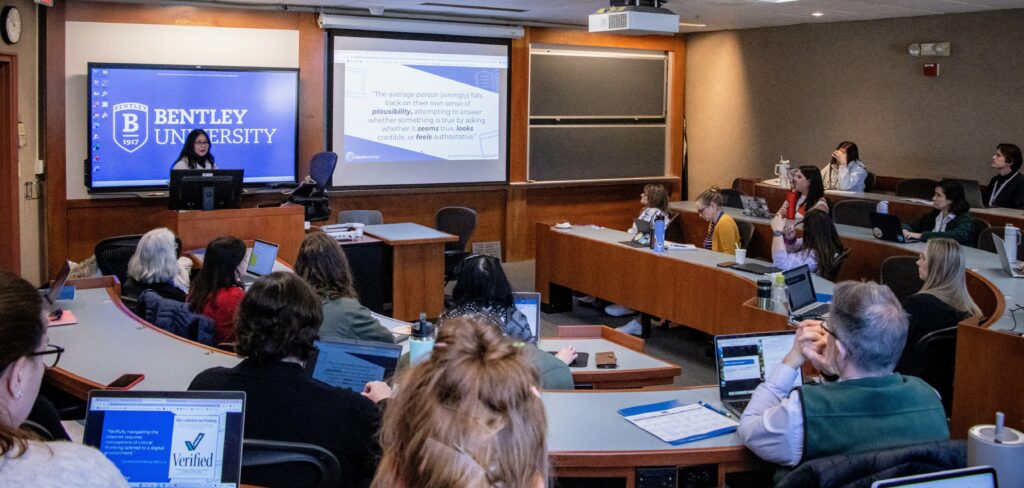
Navigating the Future of Education: Key Insights from the 2025 AI in Learning Summit
The landscape of education is constantly evolving, and the integration of artificial intelligence (AI) represents a significant frontier.This past year, a pivotal event brought together educators, innovators, and thought leaders to explore the profound impact of AI on learning.
For many, the summit provided a much-needed opportunity to connect, share, and gain actionable insights that can shape the future of student success.
This article distills the essential takeaways from that transformative time, offering a roadmap for educators eager to harness the power of AI responsibly and effectively.
1.
Establishing a Robust AI Policy Framework
A critical takeaway from the summit is the urgent need for educational institutions to develop comprehensive AI policies.
These policies are not static documents but living frameworks designed to adapt to the rapid advancements in AI technology.
It is imperative that the creation of such policies involves a diverse range of stakeholders, including educators, administrators, students, and parents.
This collaborative approach ensures that policies are not only relevant but also reflect the varied needs and perspectives within the learning community.
The goal is to create guidelines that foster innovation while safeguarding ethical considerations and ensuring equitable access to AI-enhanced learning experiences.
Essential Elements of an AI Policy
- Stakeholder Inclusivity: Actively seek input from all members of the educational ecosystem.
- Flexibility and Adaptability: Design policies that can be easily revised as AI capabilities and platforms evolve.
- Ethical Guidelines: Clearly define principles for responsible AI use, including data privacy and algorithmic fairness.
- Professional Development: Outline strategies for equipping educators with the knowledge and skills to effectively integrate AI.
- Clear Objectives: Ensure the policy aligns with overarching educational goals and student learning outcomes.
2.
Prioritizing Student Learning Outcomes in AI Integration
While the allure of innovative AI tools is undeniable, the summit emphasized that the ultimate driver for their adoption must be the enhancement of student learning outcomes.
It is not enough to simply implement AI; educators must critically evaluate how these tools contribute to deeper understanding and skill development.
The focus should always be on whether AI is facilitating meaningful engagement with curriculum content, rather than merely superficial knowledge acquisition.
This requires a shift in perspective, moving from a technology-centric approach to a learning-centric one, where the "what, how, and why" of AI integration is directly tied to pedagogical goals.
Assessing AI's Impact on Learning
Educators are encouraged to be diligent in assessing the true impact of AI on their students.
This involves asking probing questions:
- To what extent does the AI tool promote critical thinking and problem-solving?
- Does AI foster deeper conceptual understanding or merely support rote memorization?
- How does AI contribute to personalized learning pathways that cater to individual student needs?
- Are there measurable improvements in student engagement and motivation when using AI?
- Does AI help bridge learning gaps and promote equity for all students?
3.
Cultivating Curiosity and Open-Mindedness Towards AI
The rapid emergence of AI tools can evoke a spectrum of emotions, from excitement to apprehension.
A recurring theme at the summit was the importance of approaching AI with a mindset of curiosity rather than judgment.
This open-mindedness is crucial for unlocking the potential of AI to level the playing field for students from diverse backgrounds and geographical locations.
While acknowledging legitimate concerns, such as student data privacy, the conversation around AI implementation should begin with a spirit of exploration and a willingness to discover its transformative capabilities.
This attitude is vital for fostering an environment where educators feel empowered to experiment and innovate.
Embracing the Possibilities
By embracing curiosity, educators can:
- Explore new AI applications that could revolutionize teaching methodologies.
- Identify AI tools that can provide personalized support and enrichment for every student.
- Foster a culture of innovation where experimentation with AI is encouraged.
- Address concerns proactively through informed dialogue and thoughtful policy development.
- Recognize AI as a powerful assistant that can augment, not replace, human educators.
4.
Embracing Agility: The Need to Pivot and Adapt
The AI landscape is characterized by constant flux, with new tools and functionalities emerging at an unprecedented pace.
This dynamic environment necessitates a flexible and adaptable approach to AI integration.
Opinions on the value of specific AI tools are likely to shift over time due to product updates, evolving usage patterns, and changing educational priorities.
The summit highlighted that educators should not be afraid to pivot their strategies as more information becomes available.
Maintaining open lines of communication and acknowledging that perspectives will naturally fluctuate is key to navigating this ever-changing terrain effectively.
Strategies for Adaptability
- Continuous Learning: Stay informed about the latest AI developments and their implications for education.
- Iterative Implementation: Adopt a phased approach to AI integration, allowing for adjustments based on early results.
- Feedback Loops: Establish mechanisms for gathering feedback from students and educators on AI tool effectiveness.
- Professional Dialogue: Encourage ongoing discussions among educators about their experiences with different AI technologies.
- Strategic Re-evaluation: Periodically review and update AI integration plans to align with current needs and emerging opportunities.
Conclusion
The 2025 AI in Learning Summit underscored that artificial intelligence is a powerful tool, a medium for enhanced learning, and not a singular solution.
The true measure of its success lies in its ability to facilitate meaningful learning experiences, grounded in research-based best practices, and supported by measurable outcomes.
For many educators, the time spent at the summit was invaluable, offering a glimpse into a future where AI, when thoughtfully implemented, can profoundly elevate the educational journey for every student.
The insights gained provide a critical foundation for navigating this exciting era of educational transformation.







 Explore AI Teaching Tools
Comments (0)
Please login to comment
No comments yet
Be the first to comment on this article