
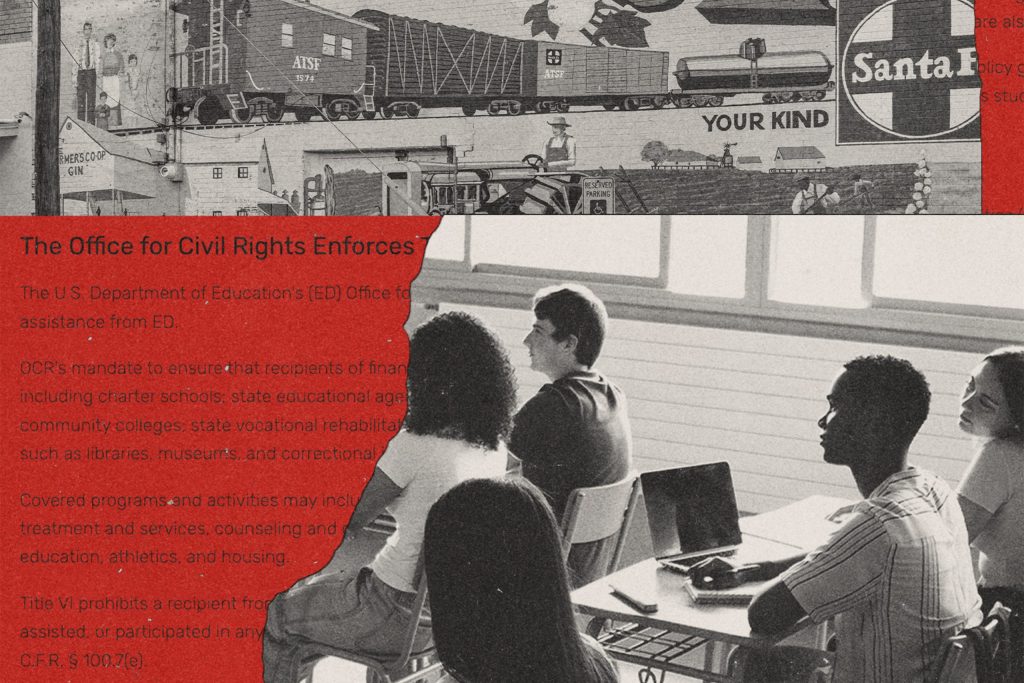
Navigating Racial Injustice in Schools: A Deep Dive for Students, Parents, and educators
The journey of education should be one of growth, discovery, and equal opportunity for all.However, for many Black students, particularly in certain school districts, this ideal is marred by the persistent shadow of racial prejudice.
This article delves into the critical issues surrounding racial discrimination within educational settings, exploring the impact on students, the challenges faced by parents, and the systemic factors that can either exacerbate or alleviate these problems.
We will examine real-world scenarios that highlight the urgency of addressing these concerns and explore how proactive engagement and informed advocacy can pave the way for more equitable school environments.
The Unfolding Reality: Stories from the Frontlines of Racial Bias in Schools
The experiences of Black students in various school districts across the nation paint a stark picture of ongoing racial injustice.These are not isolated incidents but rather recurring patterns that demand our attention.
Consider the harrowing accounts from communities where students have faced severe racial slurs, false accusations, and disproportionate disciplinary actions.
For instance, a Black high school athlete might endure deeply offensive language during a game with no immediate repercussions, leaving them feeling unprotected and devalued.
Similarly, a young Black student, falsely accused of misconduct, could find themselves subjected to intense interrogation by law enforcement on school grounds, without parental presence, and subsequently placed in disciplinary alternative schools.
Even academic achievements can be overshadowed, as seen when an honors student is wrongly accused of possessing contraband – a simple pencil sharpener mistaken for a vape – leading to similar punitive measures.
These narratives, shared by parents and community leaders, underscore a profound sense of disillusionment and a feeling that the very institutions meant to nurture and protect students are instead causing them harm.
The emotional toll on these young individuals is immense, impacting their sense of self-worth and their engagement with the educational process.
The Impact on Student Well-being
When students are subjected to racial bias, the consequences extend far beyond immediate disciplinary actions.The constant exposure to prejudice can lead to significant psychological distress, including anxiety, depression, and a diminished sense of belonging.
For Black students, this can manifest as a feeling of being perpetually under scrutiny, leading to a reluctance to participate in class, engage with peers, or even attend school.
The erosion of trust in educational authorities and law enforcement can have long-lasting effects, shaping their perceptions of justice and fairness.
Furthermore, the burden of navigating these challenges can detract from their academic focus, hindering their ability to reach their full potential.
It is crucial for educators and administrators to recognize that addressing racial incidents is not merely about enforcing rules but about safeguarding the holistic well-being of every student.
Systemic Shifts and Their Impact on Civil Rights Enforcement in Schools
The landscape of civil rights enforcement within educational institutions is not static; it is influenced by broader political and administrative changes.In recent years, shifts in federal policy have significantly altered the capacity and willingness of government agencies to investigate and address complaints of racial discrimination in schools.
Historically, federal bodies have played a crucial role in holding school districts accountable for ensuring equitable treatment for all students.
However, changes in administrative priorities and resource allocation can create a chilling effect, leaving students and parents feeling that their concerns are not being heard or acted upon.
The Role of Federal Oversight in Protecting Student Rights
The Department of Education's Office for Civil Rights (OCR) has traditionally served as a vital safeguard for students facing discrimination.Through investigations and negotiated resolutions, OCR has the power to compel school districts to implement protective measures and systemic changes.
When these investigations are initiated, they signal a commitment to upholding civil rights and provide a sense of hope and accountability for affected communities.
However, when regional enforcement offices are closed, staff are terminated, and the number of active investigations dwindles, the perceived effectiveness of this oversight diminishes.
This can lead to a climate where discriminatory practices are less likely to be challenged, and the very notion of accountability is weakened.
Examining the Evidence: Trends in Civil Rights Investigations
Data and analyses from various sources have indicated a notable decrease in the number of civil rights investigations and resolutions under certain administrations.This trend suggests a potential shift away from prioritizing certain types of discrimination complaints.
For example, a significant reduction in the number of cases requiring schools to implement changes and agree to federal monitoring has been observed.
This decline in proactive enforcement can embolden individuals and institutions to act on prejudiced attitudes, as the perceived risk of consequences is lessened.
When the federal government’s commitment to civil rights enforcement wavers, the burden of seeking justice often falls more heavily on local communities, parents, and advocacy groups.
Community Voices: Parents and Educators Speak Out
The impact of systemic changes in civil rights enforcement is most acutely felt at the community level.Parents and educators on the ground often bear witness to the direct consequences of these shifts.
In areas with significant Black student populations, such as Lubbock, Texas, and surrounding districts, parents have voiced growing concerns about the resurgence of overt racism and the lack of effective recourse.
They report an increase in racial epithets, a heightened sense of fear among Black teachers, and a general feeling that discriminatory attitudes are becoming more normalized.
The Lubbock Experience: A Case Study in Shifting Dynamics
In the Lubbock area, parents and community leaders have highlighted a series of incidents that illustrate the challenges faced by Black students.These range from racial bullying during school sporting events to false accusations leading to severe disciplinary actions.
The initial hope that federal investigations would bring about meaningful change has been tempered by the perceived rollback of enforcement efforts.
This has led many parents to bypass formal reporting channels, opting instead to seek support from local organizations like the NAACP, which often operate with limited resources but provide a crucial lifeline for families in distress.
The absence of a strong federal presence, they argue, has created an environment where racial insensitivity and outright prejudice can flourish with fewer checks and balances.
The Slaton Story: Persistent Challenges and Unmet Promises
Similar narratives emerge from neighboring school districts, such as Slaton.Here, despite past commitments to address racial incidents, parents and teachers report a continued deterioration of the racial climate.
Instances of racial slurs and dehumanizing comparisons, such as calling Black students "monkeys," persist without adequate intervention.
The unfulfilled promise to address symbolic representations of racial subjugation, like a mural depicting historical oppression, further underscores the community's frustration.
When school administrators appear unresponsive or dismissive of serious concerns, it signals a profound lack of commitment to creating an inclusive and equitable learning environment for all students.
Empowering Action: Strategies for Fostering Equitable School Environments
While the challenges are significant, the fight for racial equity in schools is far from over.Empowering students, parents, and educators with knowledge and actionable strategies is crucial for driving positive change.
Understanding the historical context, the current landscape of civil rights, and effective advocacy techniques can equip communities to demand and create the schools their children deserve.
Understanding Your Rights and Reporting Mechanisms
For any parent or student concerned about racial discrimination, understanding their rights is the first and most critical step.Familiarizing oneself with federal laws like Title VI of the Civil Rights Act of 1964, which prohibits discrimination on the basis of race, color, or national origin in programs receiving federal funding, is essential.
Knowing the proper channels for reporting incidents – whether through the school district's internal complaint process, state education agencies, or the U.S.
Department of Education's Office for Civil Rights – provides a roadmap for seeking redress.
It is important to document every incident meticulously, including dates, times, locations, individuals involved, and any witnesses.
This documentation serves as crucial evidence when pursuing a complaint.
The Power of Community Advocacy and Collective Action
Individual complaints, while important, can often be amplified and made more impactful through collective action.Engaging with local civil rights organizations, parent-teacher associations, and community groups can create a powerful united front.
These organizations can offer support, guidance, and a platform for shared experiences.
By working together, communities can advocate for policy changes within school districts, such as the implementation of robust anti-bullying programs, comprehensive diversity and inclusion training for staff, and clear disciplinary protocols that address racial incidents equitably.
Public forums, school board meetings, and organized awareness campaigns can bring critical issues to the forefront and pressure administrators to act.
Fostering Inclusive Curricula and Culturally Responsive Teaching
Beyond addressing overt acts of discrimination, creating truly equitable schools requires a proactive approach to curriculum development and pedagogical practices.Educational content should reflect the diverse histories, contributions, and experiences of all students, particularly those from marginalized communities.
Culturally responsive teaching methods acknowledge and value students' cultural backgrounds, incorporating them into the learning process.
This approach not only enhances academic engagement but also fosters a sense of belonging and mutual respect among students.
Investing in professional development for educators on topics such as implicit bias, anti-racism, and culturally relevant pedagogy is paramount to building a more inclusive educational system.
Conclusion
The pursuit of educational equity is an ongoing endeavor, particularly for Black students who continue to face the pervasive challenges of racial discrimination within school systems.The experiences shared from communities like Lubbock and Slaton underscore the critical need for robust civil rights enforcement and unwavering community advocacy.
While systemic shifts can create obstacles, the resilience of students, the dedication of parents, and the commitment of educators can pave the way for meaningful change.
By understanding rights, engaging in collective action, and championing inclusive educational practices, we can work towards creating school environments where every student, regardless of their background, feels safe, valued, and empowered to learn and thrive.
The journey ahead requires sustained effort, informed dialogue, and a collective commitment to dismantling the barriers that hinder true educational justice for all.



 Explore AI Teaching Tools
Comments (0)
Please login to comment
No comments yet
Be the first to comment on this article