
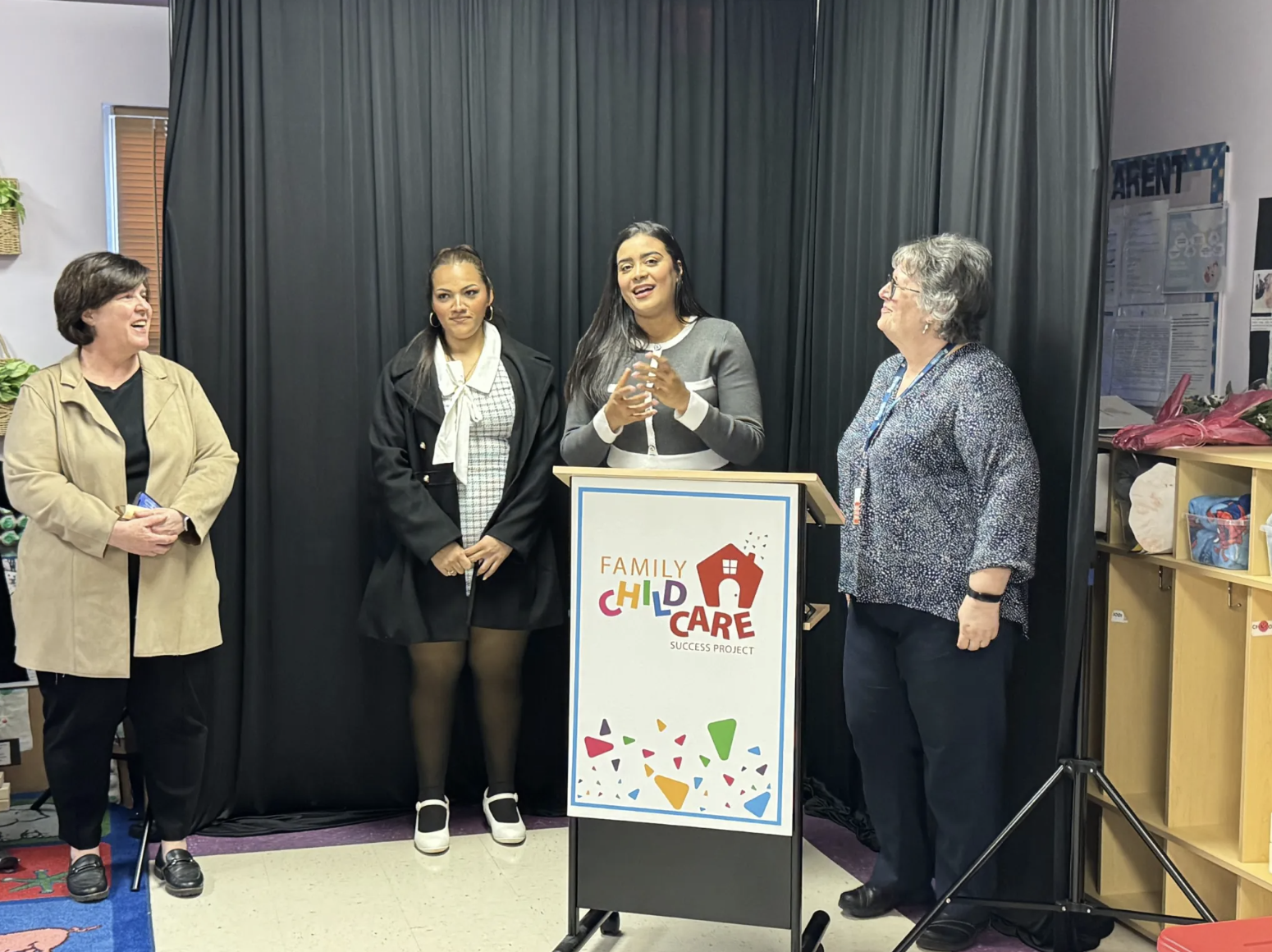
A groundbreaking pilot program in Worcester, Massachusetts, is offering a lifeline to early childhood educators, providing them with rent-free business spaces to launch and sustain their crucial services. This innovative initiative directly addresses the crippling cost barriers that often force dedicated providers out of the field, a challenge that resonates deeply with educators nationwide. By removing the significant burden of rent and utilities, this program empowers these entrepreneurs to focus on what matters most: providing high-quality care for young children and their families.
A Bold New Model for Childcare Entrepreneurship Emerges
The Family Childcare Success Project, a collaboration between the Guild of St. Agnes and Seven Hills Foundation, is pioneering a new approach to supporting family child care businesses. This program offers licensed educators dedicated classroom space, effectively acting as an incubator for their ventures. It’s a vital intervention in a landscape where the cost of starting and maintaining a childcare business can be prohibitive.
Minerva Caba Toribio, one of the program's first participants, exemplifies the impact of this initiative. After struggling with rising costs at home, she faced the prospect of closing her business, which serves Brazilian and Latin American families. The rent-free space at the Guild of St. Agnes allows her to continue offering culturally resonant care to 10 children, a testament to the program's direct benefit to both educators and the families they serve.
“I was thinking about closing my business, so when I heard about the incubator, I thought, ‘That can’t be possible. I will have a space where I can keep working with the same families that I had at my home?’” - Minerva Caba Toribio
This incubator model is not just about providing physical space; it's about fostering sustainable businesses. The program aims to equip educators with the tools and support needed to thrive long-term, ultimately expanding the availability of essential childcare slots in underserved areas. This forward-thinking approach acknowledges that childcare is not just a service, but a critical component of a healthy economy and community infrastructure.
Bridging the Childcare Gap: Addressing a Critical Need
Massachusetts faces a significant childcare access desert, particularly in areas like Central Massachusetts. Statistics reveal a stark imbalance: for every three children, there is only one childcare slot, and in some regions, this ratio climbs to over ten children per slot. This shortage impacts countless families, limiting parental workforce participation and hindering economic stability.
The Family Childcare Success Project directly confronts this crisis by transforming underutilized classroom spaces into vibrant childcare centers. By filling these vacancies, the program not only creates immediate childcare solutions but also nurtures a new generation of childcare entrepreneurs. This strategy is crucial for building a more robust and accessible childcare system for all.
The program's success is amplified by the fact that many of the families served qualify for state childcare subsidies. While recent legislative changes have expanded eligibility, a substantial waitlist for these programs persists, highlighting the ongoing demand and the critical need for more childcare providers. The incubator offers a pathway to meet this demand head-on.
More Than Just Space: Comprehensive Business Support
Beyond offering rent-free facilities, the Family Childcare Success Project provides a comprehensive suite of support services. This includes access to transportation, healthy meals, and invaluable business training. These resources are designed to alleviate common operational burdens and empower educators to build resilient businesses.
A dedicated project coordinator acts as a case manager, offering professional development and guidance. This holistic support system is designed to address the multifaceted challenges faced by new childcare business owners, from licensing navigation to financial planning. It’s a model that recognizes the complexities of running a small business in the early childhood sector.
The program also emphasizes long-term financial planning, with plans to establish savings accounts for educators to track their progress toward business goals. This focus on financial literacy and goal setting is essential for ensuring the sustainability of their ventures beyond the initial two-year program period. This level of support can be transformative for educators who may not have prior business experience.
The Economic Imperative of Affordable Childcare
The conversation around childcare often overlooks its significant economic implications. When childcare is inaccessible or unaffordable, it directly impacts parents' ability to work, leading to reduced productivity and economic strain on families and communities. The Family Childcare Success Project underscores the understanding that investing in childcare is an investment in economic growth.
Sen. Michael Moore astutely points out, "You can't be successful if you can't operate it, put the business model together, and be able to afford it." This statement highlights the fundamental business realities that early childhood educators face. The incubator program directly addresses this by providing the foundational support needed to build a viable business model.
The program's success is also tied to the broader workforce challenges within the early childhood education sector. Low earnings, a lack of benefits, and high turnover plague the industry. By providing a supportive environment and business training, this program aims to attract and retain dedicated educators, thereby strengthening the entire childcare ecosystem.
Empowering Educators, Enriching Communities
The Family Childcare Success Project is more than just a pilot program; it's a blueprint for a more supportive and sustainable future for early childhood education. By providing rent-free spaces and comprehensive business support, it empowers dedicated educators to overcome financial hurdles and build thriving businesses.
This model acknowledges the unique strengths of family child care, often preferred by parents for its flexibility and intimate setting. As Caba Toribio notes, "We have a small group. Some parents prefer that. The children have the opportunity to feel like they are part of a family." The incubator helps maintain this family-like atmosphere while providing professional business infrastructure.
The program's replicability is a key aspiration. Leaders like Leslie Baker and Sharon MacDonald are actively working to develop a model that other cities and organizations can adopt. The goal is to foster a network of similar incubators across the nation, creating more pathways for early educators and expanding access to quality childcare for countless children and families.
Lessons for Educators: Beyond the Incubator
While the Family Childcare Success Project is a specialized initiative, the principles it embodies offer valuable insights for educators across all settings. The emphasis on business acumen, community partnership, and comprehensive support is universally applicable.
For educators looking to enhance their classroom engagement, tools like MentofyCove classroom games can transform learning into interactive experiences. Similarly, leveraging Mentofy AI teaching tools for tasks like lesson planning and AI grading can free up valuable time, allowing educators to focus on the essential aspects of child development and family engagement.
Consider the challenges of student engagement. Tools that facilitate dynamic learning environments, such as interactive whiteboards or platforms that offer live quiz functionalities, can significantly boost participation and understanding. These digital resources, when used thoughtfully, complement the essential human element of teaching and care.
Furthermore, the concept of building strong partnerships, as seen between the Guild of St. Agnes and Seven Hills Foundation, is a powerful lesson. Educators can seek out collaborations with community organizations, local businesses, and parent groups to enhance their programs and extend their reach. This collaborative spirit is fundamental to creating a robust support network for both educators and the children they serve.
The Future of Childcare: A Sustainable Ecosystem
The success of the Family Childcare Success Project hinges on its ability to create a sustainable ecosystem for early childhood education. This involves not only supporting individual businesses but also advocating for systemic changes that recognize the value and economic importance of childcare.
The program's long-term vision includes ensuring that the educators can transition to their own home-based businesses successfully. This requires ongoing support and a continued focus on financial literacy and business development. The goal is not just to provide temporary assistance but to foster lasting independence and success.
As the program continues to evolve, its impact will undoubtedly extend beyond the initial participants. It serves as a beacon of innovation, demonstrating what is possible when dedicated organizations and passionate educators collaborate to address critical societal needs. The lessons learned here can pave the way for similar initiatives, ultimately strengthening the foundation of early childhood education for generations to come.
The journey of Minerva Caba Toribio and other educators in this pilot program underscores a vital truth: investing in early childhood educators is investing in our future. By providing the right resources and support, we empower them to deliver the exceptional care that every child deserves, fostering stronger families and more vibrant communities.





 Explore AI Teaching Tools
Comments (0)
Please login to comment
No comments yet
Be the first to comment on this article