
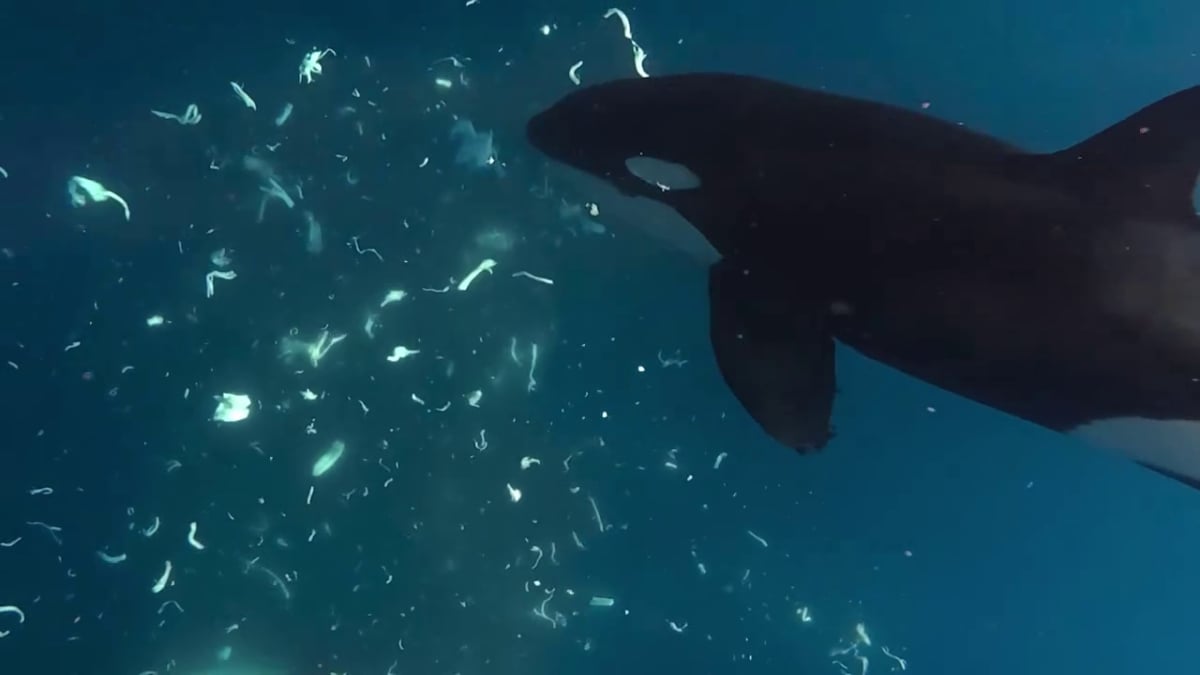
Imagine a scene so astonishing it seems ripped from a nature documentary: a pod of orcas, the ocean's apex predators, meticulously and repeatedly striking a defenseless giant sunfish, shattering it into smithereens. This isn't just a spectacle; it's a profound behavioral shift that scientists are finding utterly mesmerizing. For educators, this real-world example of complex, evolving behavior underscores the critical need to foster adaptability and critical thinking in our students, preparing them for a world that is constantly presenting new challenges and phenomena.
The Orca's Unexpected Culinary Evolution
For years, researchers have observed orcas engaging in sophisticated hunting strategies, but the recent, widespread emergence of the sunfish-shattering technique has left marine biologists astounded. This isn't a random act; it's a coordinated effort, suggesting a level of cultural transmission and problem-solving within these intelligent marine mammals that continues to push the boundaries of our understanding.
The sheer force and precision with which these orcas dismantle the sunfish are remarkable. It's a stark contrast to their typical hunting methods, which often involve swift, decisive strikes. This new approach, while gruesome, speaks volumes about their cognitive abilities and their capacity to innovate even in the face of prey that is significantly larger and more robust than they are.
"We're seeing a level of tool use and behavioral adaptation that frankly, we didn't anticipate. It's like watching a master craftsman develop a new technique."
This phenomenon highlights how even the most well-studied species can surprise us. It's a powerful reminder that learning and adaptation are continuous processes, not just for animals, but for humans as well. The implications for how we approach curriculum development and pedagogical strategies are significant.
Why This Sunfish Phenomenon Matters to Classrooms
The orca's behavior, while seemingly distant, offers a potent metaphor for the dynamic nature of learning. Just as these intelligent creatures have adapted their hunting methods, students need to be equipped with the skills to adapt to new information, evolving technologies, and unforeseen challenges. This requires moving beyond rote memorization towards deeper understanding and creative problem-solving.
The scientific community's fascination with this orca behavior mirrors the excitement educators feel when students grasp complex concepts or devise innovative solutions. It’s about observing intelligence in action and understanding the 'how' and 'why' behind it. This curiosity is a cornerstone of effective learning and scientific inquiry.
Consider the parallels: The orcas are not just surviving; they are thriving by innovating. Similarly, students who can think critically, collaborate effectively, and adapt to new information are the ones who will thrive in the future. This demands a pedagogical approach that encourages exploration and experimentation.
Cultivating Adaptability and Critical Thinking
The question for educators is: how do we foster this same spirit of adaptability and critical inquiry in our students? It begins with creating learning environments that encourage questioning, experimentation, and the willingness to tackle complex problems, much like scientists studying the orcas' new hunting strategy.
We need to move beyond simply delivering information and instead focus on empowering students to become active learners and problem-solvers. This means embracing diverse teaching methodologies and leveraging tools that can make learning more engaging and relevant.
Leveraging Technology for Deeper Learning
Modern educational technology offers powerful avenues to cultivate these essential skills. Interactive platforms can transform passive learning into active engagement, allowing students to explore concepts in dynamic ways.
For instance, using tools that facilitate collaborative learning and immediate feedback can mirror the coordinated efforts seen in the orca pods. This allows students to practice teamwork and refine their understanding in real-time.
Here are some actionable strategies educators can implement:
- Encourage Inquiry-Based Learning: Pose open-ended questions that prompt students to investigate, analyze, and draw their own conclusions, much like scientists observing the orcas.
- Integrate Collaborative Projects: Design activities where students must work together to solve problems, fostering communication and shared responsibility. Tools like Mentofy AI teaching tools can assist with sophisticated student grouping.
- Utilize Interactive Learning Platforms: Employ digital tools that allow for real-time participation and feedback, making learning a dynamic, engaging experience. Consider Mentofy classroom games for lively review sessions.
- Promote Metacognition: Guide students to think about their own thinking processes, helping them understand how they learn best and how to adapt their strategies.
"The orca's evolving hunting technique is a powerful, albeit stark, illustration of adaptation. We need to equip our students with the intellectual agility to navigate their own evolving landscapes."
The sight of orcas smashing a giant sunfish into smithereens is more than just a wildlife marvel; it's a profound lesson in adaptation and innovation. As educators, we are tasked with preparing students for a future that will undoubtedly require similar ingenuity. By fostering critical thinking, encouraging collaboration, and embracing dynamic learning environments, we can empower the next generation to not only observe change but to drive it.





 Explore AI Teaching Tools
Comments (0)
Please login to comment
No comments yet
Be the first to comment on this article