
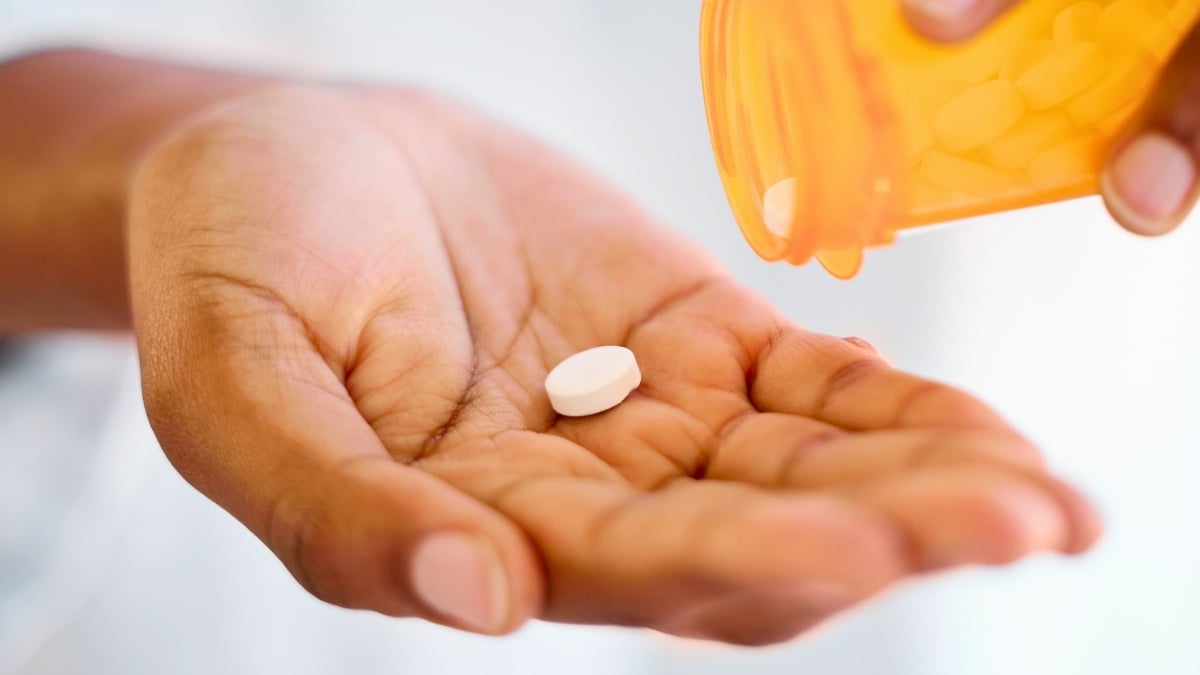
A common blood pressure medicine, long a staple in medicine cabinets worldwide, is showing remarkable promise in the fight against a deadly superbug. This unexpected development could offer a vital new weapon in our increasingly urgent battle against antibiotic resistance, a crisis that threatens to undo decades of medical progress. For educators, this story isn't just about a scientific breakthrough; it's a potent reminder of the interconnectedness of health, science, and the critical need for ongoing innovation.
When Old Medicine Meets New Threats
For years, the pharmaceutical industry has struggled to develop new antibiotics effective against the growing number of drug-resistant bacteria. This has created a dangerous gap, leaving us vulnerable to infections that were once easily treatable.
Now, researchers have discovered that a widely used antihypertensive drug, typically prescribed to manage high blood pressure, exhibits potent activity against a notorious superbug. This finding opens a fascinating new avenue for repurposing existing medications, a strategy that can significantly accelerate the timeline for bringing new treatments to patients.
"This is one of the most exciting agents that we have found in a long time."
This quote, from a lead researcher involved in the study, underscores the significance of the discovery. It suggests a level of efficacy and potential that has been missing in the search for novel antimicrobial compounds.
The Superbug Menace: A Growing Global Crisis
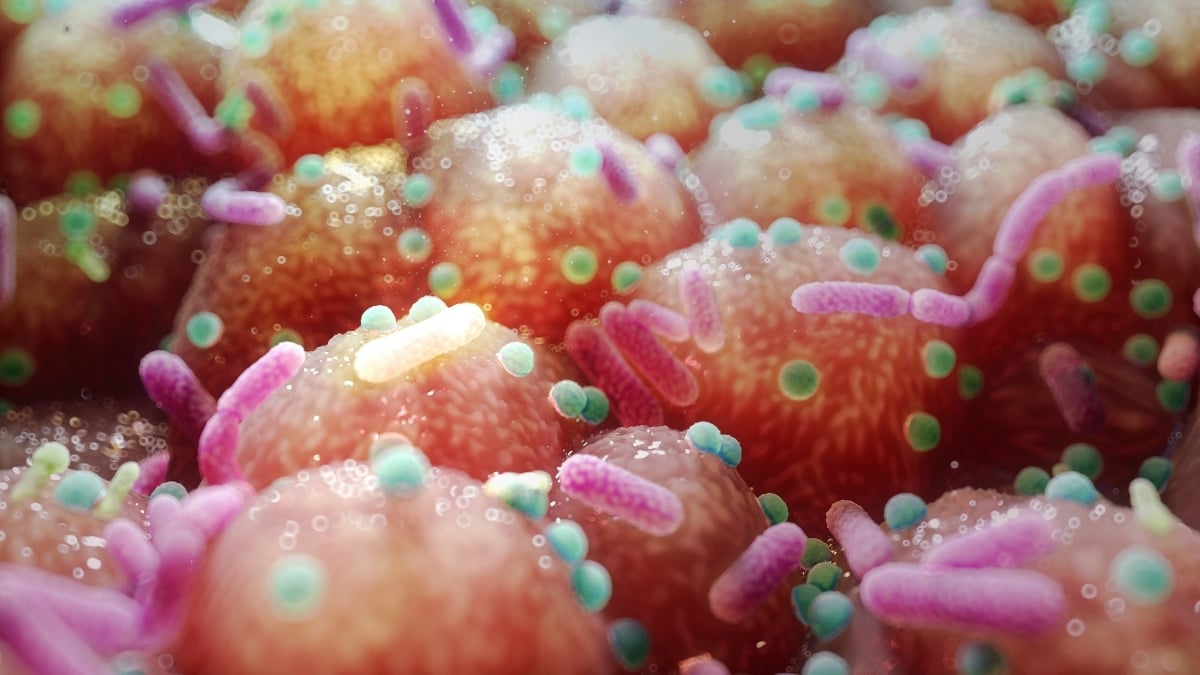
The emergence of superbugs, bacteria that have evolved to resist multiple antibiotics, is a silent pandemic. These pathogens, like Methicillin-resistant *Staphylococcus aureus* (MRSA) and Carbapenem-resistant Enterobacteriaceae (CRE), pose a severe threat to public health, making common infections difficult, and sometimes impossible, to treat.
The World Health Organization estimates that by 2050, antimicrobial resistance could cause 10 million deaths annually, surpassing deaths from cancer. This grim prediction highlights the urgency of finding new ways to combat these resilient microorganisms. The economic burden is also staggering, with healthcare systems facing increased costs due to longer hospital stays and more complex treatments.
How a Blood Pressure Drug Fights Back
The specific mechanism by which this blood pressure medicine targets the superbug is still under investigation, but early findings are promising. It appears to disrupt a critical cellular process within the bacteria, effectively rendering it harmless or even killing it.
This is a significant departure from traditional antibiotics, which often work by attacking bacterial cell walls or interfering with protein synthesis. The unique mode of action could mean that bacteria are less likely to develop resistance to this new approach.
The implications for the future of medicine are vast. If this strategy proves successful, it could lead to a wave of research into repurposing other existing drugs for antimicrobial purposes. This could drastically reduce the time and cost associated with developing entirely new drugs.
Actionable Insights for Educators
While this discovery is rooted in medical science, its underlying principles offer valuable lessons for the classroom. The concept of finding novel solutions by looking at existing resources is a powerful one.
- Encourage Creative Problem-Solving: Foster an environment where students are encouraged to think outside the box and explore unconventional solutions to challenges.
- Highlight Interdisciplinary Connections: Show students how seemingly unrelated fields, like medicine and biology, can intersect to create groundbreaking discoveries.
- Emphasize the Importance of Research: Discuss the rigorous process of scientific inquiry, from initial hypotheses to clinical trials, and the dedication required for breakthroughs.
- Discuss Public Health Issues: Use this story as a springboard to talk about global health challenges like antibiotic resistance, fostering a sense of civic responsibility.
For educators looking to engage students with science and health topics, interactive tools can be incredibly beneficial. Imagine using a MentofyCove classroom game like a trivia game to test knowledge on superbugs or a word search game focused on medical terminology. These engaging activities can make complex subjects more accessible and memorable.
The Path Forward: From Lab to Clinic
The journey from a laboratory discovery to a widely available treatment is long and complex. Rigorous clinical trials are necessary to confirm the safety and efficacy of the blood pressure medicine in treating bacterial infections in humans.
However, the initial results offer a much-needed beacon of hope. This discovery could potentially help us fight deadly superbugs that currently have limited treatment options. The potential to repurpose a drug that is already approved and well-understood streamlines the process considerably.
"We are facing a critical juncture in global health, and innovative approaches are essential to stay ahead of evolving threats."
This sentiment reflects the broader challenge. The fight against antibiotic resistance requires a multi-pronged approach, and scientific innovation is a crucial component. The success of this particular medicine could pave the way for a new era of drug repurposing in the fight against infectious diseases.
In the classroom, educators can leverage the power of Mentofy AI teaching tools for lesson planning and even to create engaging assessments. Tools like an AI lesson plan generator can help craft lessons around complex scientific topics, while an AI grading feature can free up valuable time for more direct student interaction. This allows teachers to focus on fostering the critical thinking skills that will be needed to tackle future global challenges.
The potential of a common blood pressure medicine to combat a deadly superbug is a testament to the unexpected places where solutions can be found. It underscores the continuous need for scientific exploration and the power of looking at existing knowledge through a new lens. As we continue to grapple with antibiotic resistance, such discoveries offer a vital glimmer of hope and a renewed sense of possibility in safeguarding global health.






 Explore AI Teaching Tools
Comments (0)
Please login to comment
No comments yet
Be the first to comment on this article