
Did you know that nearly 10% of all food produced globally goes to waste? That's a staggering amount, and while much of that happens at the consumer level, educators also play a role in promoting mindful consumption and understanding the science behind food safety. Recognizing the signs that food has gone bad isn't just about avoiding an unpleasant taste; it's crucial for student health and for teaching valuable life skills. These signals, often subtle, can prevent unnecessary illness and underscore the importance of careful observation in everyday life.
The Subtle Signals Your Leftovers Are Sending
We've all been there: staring into the fridge, wondering if that container of pasta from last Tuesday is still safe to eat. The temptation to chuck it can be strong, but sometimes food is perfectly fine, and other times, the signs are more insidious than a visual cue. Understanding these signals, backed by scientific understanding of microbial growth, is key to making informed decisions.
Beyond the Mold: Unseen Dangers Lurk
While visible mold is an obvious red flag, it's not the only indicator of spoilage. Bacteria and other microorganisms can multiply rapidly on food, even without any apparent change. These invisible threats can lead to foodborne illnesses, ranging from mild discomfort to severe health issues.
"According to a recent study by the National Academies of Sciences, Engineering, and Medicine, approximately 48 million people in the United States get sick from foodborne illnesses each year, with 128,000 hospitalizations and 3,000 deaths."
This statistic highlights why teaching students about food safety is not just a good idea, it's a public health imperative. Recognizing the subtle signs can empower them to make healthier choices both in the school cafeteria and at home.
The Four Key Signs You Should Chuck It
When in doubt, throw it out is a good mantra, but a little scientific knowledge can help you make that decision with more confidence. These aren't just arbitrary rules; they are based on how food spoils and the potential risks involved. Let's break down the most important signals to watch for.
Sign 1: The Unmistakable Aroma
Perhaps the most common and often the first indicator of spoilage is smell. Food that has gone bad often develops a sour, rancid, or putrid odor. This is due to the breakdown of fats and proteins by bacteria, which produce volatile compounds that we perceive as unpleasant smells.
Don't underestimate your nose. If something smells "off," it's usually best to err on the side of caution. This is particularly true for meats, dairy products, and cooked leftovers, where bacterial growth can accelerate quickly.
Sign 2: Texture and Consistency Changes
Beyond smell, changes in texture can also signal that food is no longer safe. For instance, slimy meat, mushy vegetables that should be crisp, or yogurt that has separated and developed a watery consistency are all warning signs. These alterations often indicate microbial activity.
For cooked foods, a sticky or gooey texture where it shouldn't be is another important signal. These physical changes are often a direct result of bacterial enzymes breaking down the food's structure.
Sign 3: Visual Clues: Mold and Discoloration
The most obvious sign is visible mold. This fuzzy growth can appear in various colors—green, white, black, or even pink—and often has a distinct texture. Even if you can cut away a small patch of mold, the underlying food may still be contaminated with invisible toxins produced by the mold.
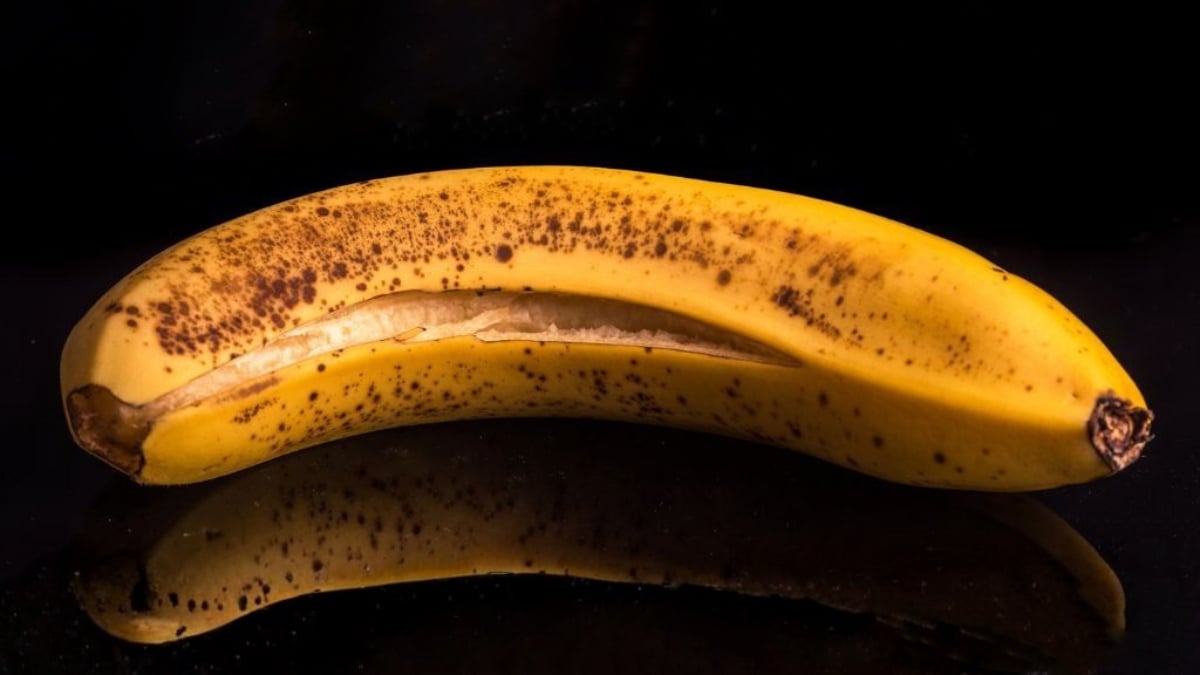
Discoloration is another key visual cue. For example, meat that has turned gray or green, or produce that has developed unusual dark spots or patches, should be a cause for concern. These changes can indicate bacterial growth or oxidation.
Sign 4: Unexpected Changes in Taste
While tasting food is often the last resort for determining spoilage, it's also a critical sign. If food tastes sour, bitter, or just plain "wrong," it's a clear indication that something is amiss. This is especially true for canned goods where the contents might have a metallic or off-flavor, suggesting potential botulism risk.
"According to the Food and Drug Administration (FDA), the bacterium Clostridium botulinum can produce a deadly toxin in improperly canned foods. Even a small amount can cause severe illness."
This emphasizes why we don't chuck canned goods lightly; the stakes are incredibly high. Always discard canned food that shows signs of bulging, leakage, or severe denting, in addition to any off-taste.
Empowering Students with Food Safety Knowledge
Teaching students about these signs is an invaluable lesson that extends far beyond the classroom. It fosters critical thinking, observation skills, and a sense of responsibility for their own well-being. Integrating these concepts can be done in various engaging ways.
Consider using MentofyCove classroom games like trivia or word searches focused on food safety terms and concepts. You can also leverage Mentofy AI teaching tools to create interactive lesson plans or even simple quizzes that test their understanding of these critical signals. When planning lessons, don't forget to include practical demonstrations or discussions about common foods and how they spoil.
Here are some actionable steps educators can take:
- Visual Aids: Use posters or digital presentations showcasing examples of moldy food, discolored produce, and other visual indicators of spoilage.
- Sensory Exploration (Safely): Discuss the concept of "off" smells and textures, perhaps using safe, non-perishable examples to illustrate texture changes.
- Scenario-Based Learning: Present students with hypothetical situations (e.g., "You find a carton of milk that smells a bit sour. What should you do?") and encourage them to apply the four signs.
- Connect to Health: Explain the link between consuming spoiled food and common illnesses, reinforcing the importance of making safe choices.
By equipping students with the knowledge to identify these crucial signs, we empower them to make healthier decisions throughout their lives. It's a simple yet profound way to contribute to their overall well-being and promote a more mindful approach to food consumption.







 Explore AI Teaching Tools
Comments (0)
Please login to comment
No comments yet
Be the first to comment on this article