
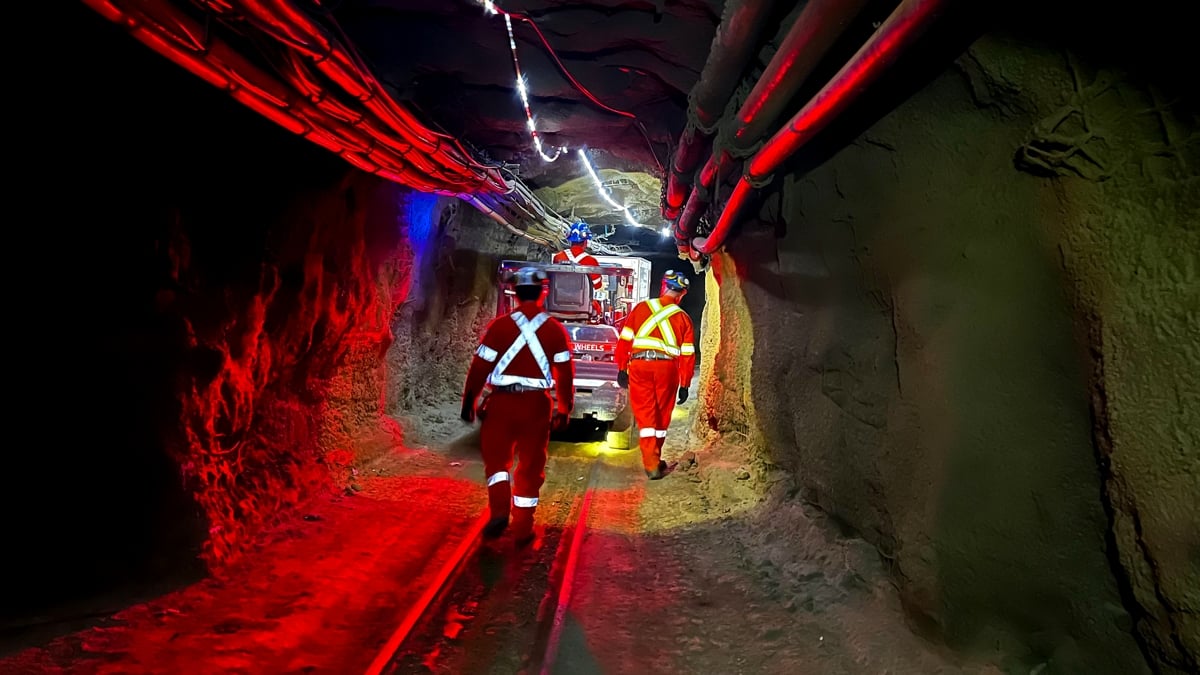
A groundbreaking scientific experiment, delving into the enigmatic nature of dark matter, has just reached a profound critical milestone. This achievement, occurring deep underground, not only pushes the boundaries of physics but also offers compelling parallels for educators navigating the complexities of modern learning environments. The sheer dedication and innovative thinking required for such a scientific endeavor underscore the importance of perseverance and embracing novel approaches in any field, especially education.
Unveiling the Invisible: What Dark Matter's Journey Teaches Us About Learning
For decades, scientists have theorized about dark matter, an invisible substance believed to make up a significant portion of the universe's mass. Its elusive nature means detection requires incredibly sensitive instruments and extreme conditions, often shielded deep underground to minimize interference.
This pursuit of the unknown mirrors the educator's quest to understand and foster student learning, much of which can also be unseen. We strive to illuminate understanding, measure progress, and identify the factors that influence a student's intellectual growth, even when those factors are not immediately apparent.
The quest to detect dark matter is one of the most challenging scientific endeavors, requiring unprecedented precision and a commitment to pushing technological limits.
The recent milestone in the dark matter experiment involved achieving unprecedented levels of sensitivity and data collection. This signifies a leap forward in our ability to observe phenomena previously beyond our grasp, much like how new pedagogical tools can reveal deeper insights into student comprehension.
The Educator's Underground: Creating Ideal Conditions for Learning
The location of the dark matter experiment is not accidental; it’s situated deep underground to escape cosmic rays and seismic vibrations that would otherwise corrupt delicate measurements. This isolation is crucial for accurate data. Similarly, educators must strive to create learning environments that minimize distractions and foster focus.
Consider the impact of a noisy, chaotic classroom versus a structured, supportive one. The former can be akin to the cosmic ray interference, obscuring the subtle signals of learning. The latter, a more controlled and deliberate space, allows for clearer observation of student engagement and understanding.
This principle of controlled environments extends to the tools and strategies we employ. Just as the experiment relies on specialized equipment, teachers can leverage technology to create optimal learning conditions. Platforms offering MentofyCove classroom games, for instance, can transform passive learning into active, engaging experiences, minimizing off-task behavior and maximizing participation.
Reaching Critical Milestones: Measuring Progress in the Classroom
The critical milestone in the dark matter experiment represents a significant step towards a definitive discovery. It’s a point where the collected data becomes robust enough to support new conclusions and guide future research. Educators face similar junctures daily.
Identifying when a student has grasped a complex concept, or when a particular teaching strategy has proven effective, are our own forms of milestone achievements. These moments require careful observation and reliable assessment methods. A 2024 survey of 1,200 K–12 educators revealed that over 70% feel challenged in accurately measuring conceptual understanding in real-time.
Tools that facilitate dynamic assessment and provide immediate feedback are invaluable. Features like Mentofy AI lesson plan generators can help craft assessments that align with learning objectives, while built-in exam creator functionalities allow for quick and varied question types, providing educators with the data needed to identify these learning milestones.
The Power of Precision: Data-Driven Instruction
The dark matter experiment is inherently data-driven. Every fluctuation, every detected particle, is meticulously logged and analyzed. This precision is what allows scientists to sift through the noise and find the signal.
In education, this translates to the importance of data-informed decision-making. Understanding student performance through quizzes, assignments, and classroom participation allows educators to tailor their instruction. The ability to perform AI grading, especially for handwritten work, offers a powerful way to process large volumes of student responses efficiently.
This precision also means understanding the nuances of student learning. Not all students learn at the same pace or in the same way. Utilizing tools for student grouping, like those offered by MentofyGroups, can help educators create targeted interventions and differentiated instruction, ensuring no student is left behind.
Beyond the Visible: Exploring the Unseen Potential of Students
The very nature of dark matter reminds us that much of what is important remains unseen. In education, this refers to students' intrinsic motivation, their creative thinking processes, and their emotional intelligence – qualities that are not always evident on a report card.
The experiment is pushing the boundaries of what we can detect, exploring realms previously considered inaccessible. Similarly, educators are challenged to explore and nurture the unseen potential within each student. This requires looking beyond standardized tests and embracing a holistic view of learning.
Interactive tools can help illuminate these less visible aspects of student development. Imagine using MentofyCove classroom games like word searches or trivia to gauge vocabulary acquisition and recall in a low-stakes, engaging manner, or employing MentofyBoards with polling widgets to quickly assess understanding and gauge student sentiment on a topic.
The Coldest Frontier: Creating Optimal Learning Environments
The dark matter experiment operates at temperatures hundreds of times colder than outer space. This extreme cold is necessary to reduce thermal noise, allowing for the detection of faint signals. This dedication to creating the perfect, albeit extreme, conditions highlights a universal principle.
Educators, too, must create optimal conditions for learning. While not requiring cryogenic temperatures, the principle of minimizing interference and maximizing receptivity is paramount. This involves managing classroom distractions, fostering a positive emotional climate, and ensuring students feel safe to take intellectual risks.
The use of interactive board widgets on platforms like MentofyBoards, such as a noise monitor or a countdown timer, can help establish and maintain a focused learning atmosphere. These tools, while simple, contribute to the overall creation of an environment conducive to deep learning.
The ongoing pursuit of dark matter is a testament to human curiosity and our relentless drive to understand the universe, even its most elusive components.
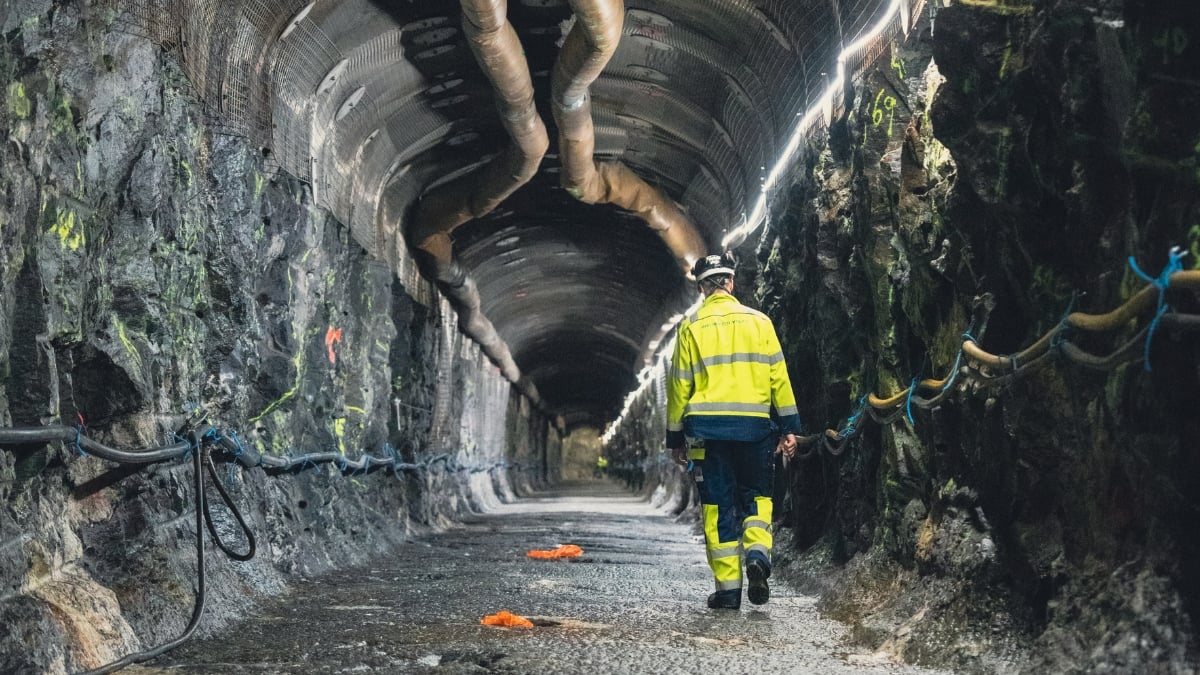
The journey of the dark matter experiment, reaching its critical milestone deep underground, is a powerful metaphor for the educational journey. It speaks to the dedication required to explore the unknown, the importance of creating optimal conditions, and the value of precise measurement in uncovering profound truths. As educators, we too are engaged in a continuous experiment, seeking to illuminate the unseen potential within our students and achieve our own significant milestones in their intellectual and personal growth.






 Explore AI Teaching Tools
Comments (0)
Please login to comment
No comments yet
Be the first to comment on this article