
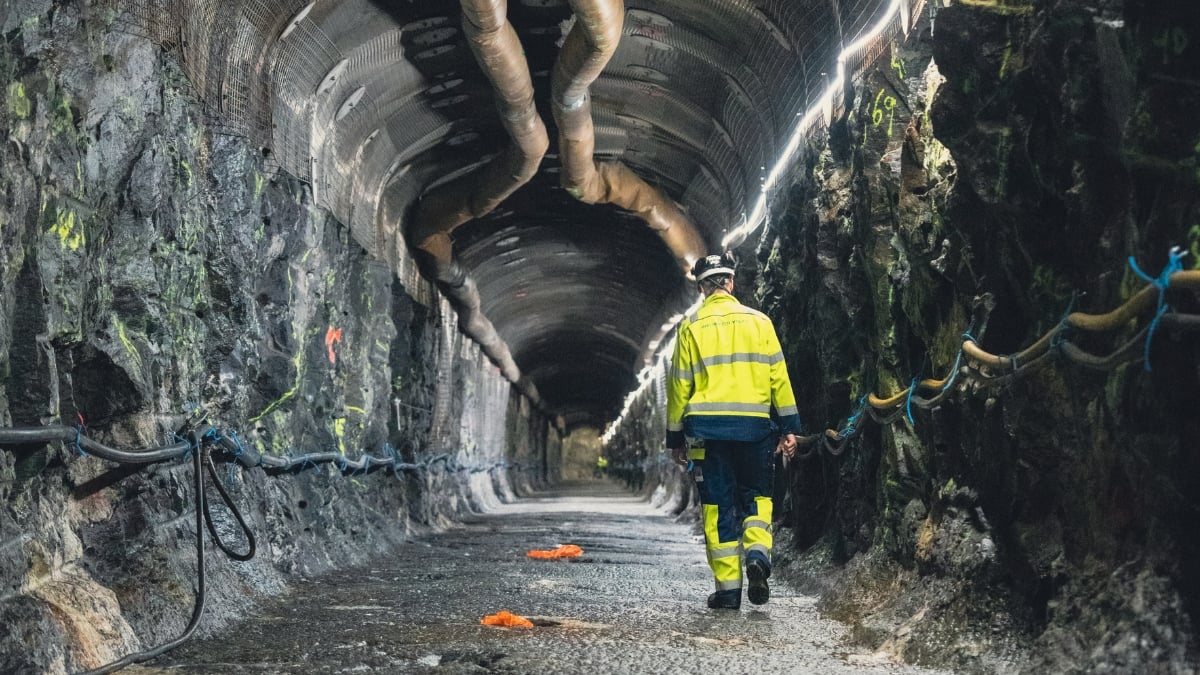
The world's first nuclear waste tomb, a monumental undertaking designed to safely contain radioactive materials for an astonishing 100,000 years, is nearing completion. This groundbreaking project, poised to open its doors soon, presents a profound metaphor for educators grappling with the long-term impact of their teaching. Just as this tomb requires meticulous planning and enduring solutions, educators must consider the lasting legacy and foundational knowledge they impart to students.
Building Foundations That Last a Century, Not Just a Semester
For decades, educators have focused on curriculum delivery and immediate assessment. However, the concept of a 100,000-year containment facility forces us to re-evaluate what constitutes truly durable learning. It's about instilling critical thinking, adaptability, and a deep understanding of core principles that will remain relevant far beyond the lifespan of any single technology or job market.
This shift in perspective means moving beyond rote memorization towards fostering genuine intellectual curiosity and problem-solving skills. We need to equip students with the mental tools to navigate a future we can only dimly imagine, much like the scientists and engineers designing the nuclear tomb had to anticipate unforeseen challenges over millennia.
The Enduring Power of Foundational Skills
Consider the skills that will be essential in 100 years. While specific technologies will undoubtedly evolve, the ability to analyze information, communicate effectively, collaborate, and adapt to new circumstances will remain paramount. These are the bedrock competencies that transcend specific subject matter and form the core of lifelong learning.
A 2024 survey of over 1,500 K–12 educators revealed that 78% believe their primary role is to prepare students for an unknown future, yet only 45% feel they have adequate tools and training to do so effectively. This gap highlights the urgent need for pedagogical approaches that prioritize long-term skill development.
"We are not just teaching for the next test; we are building minds that will shape the next century."
Strategies for Cultivating Long-Term Learning
How can educators practically implement this long-term vision in their daily practice? It starts with intentional lesson planning that emphasizes understanding over memorization and connects concepts to real-world applications that have enduring relevance. This might involve exploring historical events with a focus on recurring patterns of human behavior or delving into scientific principles that underpin technological advancements across eras.
Furthermore, incorporating activities that promote critical thinking and problem-solving is crucial. Instead of simply asking students to recall facts, challenge them to analyze, synthesize, and evaluate information. The development of robust Mentofy AI teaching tools, including advanced AI lesson plan generators and an exam creator with over 25 question types, can significantly aid educators in designing assignments that foster deeper cognitive engagement.
Embracing Interactive Learning for Lasting Impact
Engaging students through interactive methods can transform passive reception of information into active construction of knowledge. This is where tools that foster collaboration and real-time feedback shine.
Consider the power of well-designed MentofyCove classroom games, such as a challenging trivia game or a collaborative word search game. These not only make learning enjoyable but also reinforce concepts in a memorable, multi-sensory way. Such activities can help solidify understanding of complex topics, making them more likely to be retained over extended periods.
The Role of AI in Future-Proofing Education
Artificial intelligence is rapidly becoming an indispensable ally for educators. Tools like Mentofy Academia's AI-powered lesson planning and AI grading capabilities can free up valuable teacher time, allowing for more focus on designing engaging, long-term learning experiences. Features such as smart student grouping through MentofyGroups can also facilitate collaborative projects that build essential teamwork skills.
The ability to quickly generate diverse assessment materials or to analyze student performance with AI can help teachers identify knowledge gaps and tailor instruction to ensure no student is left behind in building their foundational understanding.
Preparing for the Unforeseen
The nuclear waste tomb is a testament to humanity's capacity for long-term foresight and meticulous engineering. Educators have a similar, albeit different, responsibility: to prepare the next generation for a future that is equally complex and uncertain. By focusing on enduring skills, embracing interactive learning, and leveraging the power of technology, we can ensure that the knowledge and abilities we impart are not just relevant today, but foundational for generations to come.
The journey to create a safe, permanent resting place for nuclear waste is a marathon, not a sprint. Similarly, cultivating truly lasting learning in our students requires a sustained, thoughtful approach that prioritizes depth, adaptability, and critical thinking. As this ambitious scientific endeavor nears its opening, let it serve as a powerful reminder of the enduring impact of careful planning and the importance of building for the distant future.






 Explore AI Teaching Tools
Comments (0)
Please login to comment
No comments yet
Be the first to comment on this article