
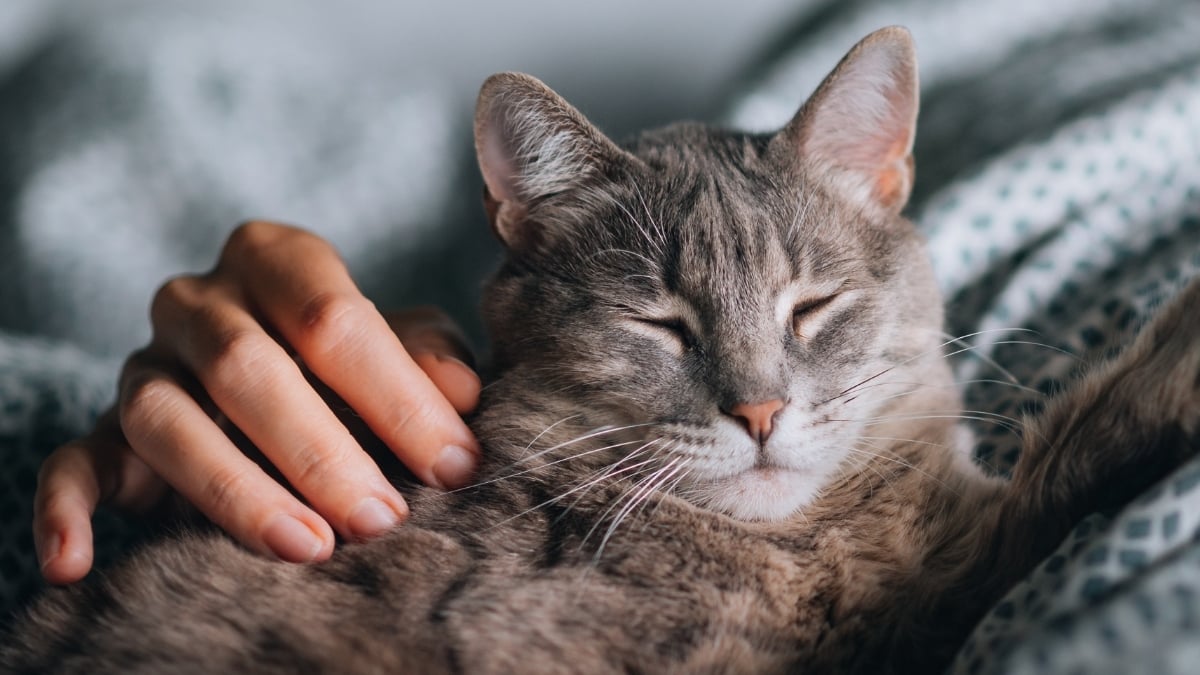
A growing body of research suggests that our furry companions might be impacting our well-being in more complex ways than previously understood, potentially shifting how educators think about student stress and classroom environments. While the intuitive belief is that pets universally alleviate stress, new findings hint at a more nuanced relationship, urging us to consider the multifaceted ways external factors can affect our mental states.
The Unexpected Nuances of Pet-Induced Calm
For years, the prevailing wisdom has been that interacting with pets, particularly dogs and cats, offers a direct path to stress reduction. The simple act of petting an animal can lower cortisol levels and increase oxytocin, often referred to as the "love hormone." This has led many to believe that bringing pets into more aspects of our lives, including educational settings, is an unalloyed good.
However, a recent study, framed around understanding the intricate connections between humans and their animals, has begun to challenge this straightforward narrative. It finds that the perceived benefits of pet companionship might be influenced by a wider array of psychological and environmental factors than initially assumed. This means the simple presence of a pet may not automatically translate into a stress-free experience for everyone.
A 2024 study published in the Journal of Applied Animal Psychology found that while many participants reported positive feelings from pet interaction, a significant subset also experienced increased anxiety or distraction, particularly in novel or high-pressure situations.
This discovery is crucial for educators who often seek innovative ways to support student well-being. If the stress-relief mechanism of pets is not as universally direct as once thought, we need to explore other avenues and perhaps re-evaluate how we integrate such elements into our teaching strategies.
Rethinking the Classroom Environment for Optimal Learning
The implication for educators is clear: while the idea of a classroom therapy animal is appealing, its effectiveness might depend heavily on individual student personalities and the specific classroom dynamics. Some students might thrive, while others could find the presence of an animal a source of unexpected stress or a distraction from their studies.
This calls for a more personalized approach to creating supportive learning spaces. Instead of relying on a single, broad-stroke solution, educators might find greater success by employing a diverse toolkit of strategies designed to meet a wider range of student needs. This includes leveraging technology that can be tailored to individual learning styles and paces.
Consider the impact on a student already struggling with focus. The gentle purr of a cat, while soothing to some, might become an irresistible distraction for another, pulling their attention away from the lesson at hand. Understanding these individual differences is key to fostering an inclusive and effective learning environment.
The Role of Technology in Managing Student Stress
In light of these findings, educational technology platforms are becoming increasingly vital. Tools that offer personalized learning paths or engaging, low-stakes interactive activities can provide students with outlets for stress and opportunities for success without introducing the potential complexities of animal companionship.
For instance, MentofyCove classroom games offer a variety of multiplayer options like trivia and word search games that can be used to break up lessons, encourage collaboration, and provide a fun, low-pressure way for students to engage with material. These games can be adapted to suit different learning objectives and student energy levels.
Furthermore, the development of sophisticated Mentofy AI teaching tools, such as AI lesson plan generators and exam creators, allows educators to meticulously craft learning experiences. This level of control enables teachers to preemptively address potential stressors by designing activities that are appropriately challenging and engaging for their specific student cohort.
A survey of 1,200 K–12 educators in early 2024 indicated a growing interest in AI-powered tools for differentiation, with 72% reporting that such technologies help them better manage diverse learning needs and reduce classroom stress.
Strategies for Cultivating Calm and Focus
Given that the impact of pets on stress is not a simple equation, educators should explore a range of evidence-based strategies to support student well-being. This involves understanding that stress management is a multifaceted challenge, and a one-size-fits-all approach is unlikely to succeed.
Here are some actionable insights for educators:
- Diversify Engagement Methods: Offer a mix of individual and group activities, hands-on tasks, and digital interactions to cater to different learning preferences and reduce potential anxiety.
- Utilize Technology for Differentiation: Employ tools that allow for personalized pacing and content delivery. This can help students who feel overwhelmed or bored, thereby reducing stress.
- Incorporate Brain Breaks Strategically: Short, focused breaks using activities like quick polls or brief mindfulness exercises can help students reset and refocus without introducing new distractions.
- Foster a Supportive Community: Encourage peer-to-peer support and collaborative learning. Sometimes, students find comfort and stress relief in their social connections with classmates.
- Be Mindful of Sensory Overload: Consider how different classroom elements might affect sensitive students. This includes not just noise levels but also visual clutter and unexpected stimuli.
When planning lessons, educators can leverage tools like Mentofy AI teaching tools to create varied activities. For example, an AI lesson plan can incorporate a mix of direct instruction, collaborative problem-solving, and opportunities for students to demonstrate understanding through different mediums, all designed to minimize anxiety and maximize engagement.
Beyond the Pet: Holistic Approaches to Well-being
The conversation around pets and stress reduction is evolving, prompting us to think more broadly about what truly contributes to a calm and productive learning environment. The findings suggest that while pets can be a source of comfort, their influence is not always straightforward and can be affected by individual circumstances.
This encourages educators to adopt a holistic view of student well-being, integrating a variety of tools and techniques. By understanding that stress is influenced by a complex interplay of factors, we can more effectively design learning experiences that support every student's journey. The goal is to create environments where students feel safe, supported, and empowered to learn, irrespective of external variables.
Ultimately, the most effective strategies for managing student stress and enhancing their capacity to study will likely be those that are adaptable, personalized, and grounded in a deep understanding of individual needs. This ongoing exploration into the nuances of human-animal interaction serves as a valuable reminder to continuously refine our approaches in education.







 Explore AI Teaching Tools
Comments (0)
Please login to comment
No comments yet
Be the first to comment on this article