
Investing in educators: The Cornerstone of Quality Education for All
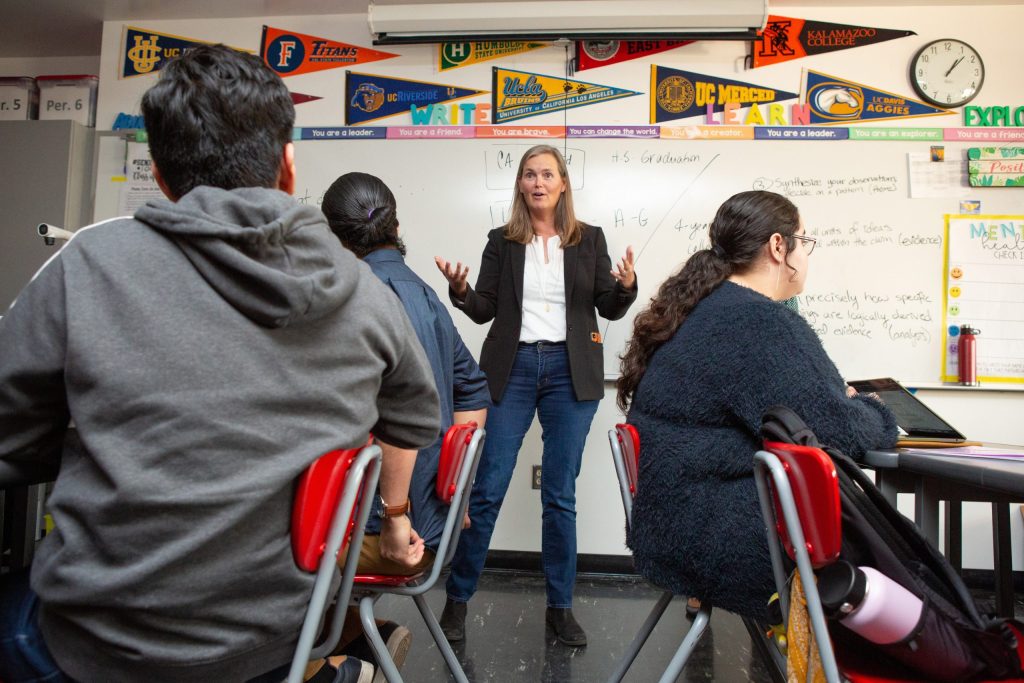
The landscape of education is constantly evolving, and at its heart lies a fundamental truth: the quality of teachers directly impacts the success of students.As policymakers and educational institutions navigate new opportunities and challenges, a critical juncture has arrived.
This is a moment to re-evaluate where our educational resources are directed, with a singular focus on empowering those who shape the future.
Prioritizing robust teacher preparation programs isn't just a good idea; it's an essential investment that yields profound benefits for students, schools, and society as a whole.
This article explores why high-quality teacher education should be the paramount concern for all stakeholders in the education sector.
The Indispensable Role of the Teacher in Student Success
Research consistently underscores that among the factors within a school's direct influence, the teacher stands out as the most significant determinant of student learning.Beyond parents, educators are the primary adult figures who spend a substantial amount of time with children, profoundly shaping their academic journeys and personal development.
A truly effective teacher possesses the unique ability to ignite curiosity, foster critical thinking, and inspire a lifelong love of learning.
Their impact extends far beyond the classroom, influencing a student's trajectory for years to come.
Beyond Instruction: The Multifaceted Impact of Great Teachers
A great teacher does more than simply deliver curriculum.They are mentors, motivators, and role models.
They create inclusive environments where every student feels valued and supported, regardless of their background or learning style.
This dedication to nurturing the whole child is what distinguishes exceptional educators and is a direct outcome of comprehensive and effective preparation.
When we invest in teachers, we are investing in the very fabric of our future.
The Imperative for High-Quality Teacher Preparation Programs
For too long, the crucial aspect of preparing educators has not received the policy and funding attention it deserves.This oversight has created a significant gap, hindering our ability to attract and retain the talented individuals needed to lead our schools.
Developing a cadre of excellent teachers, particularly those who can lead entire school communities, is not an accidental occurrence.
It is the direct result of deliberate, well-funded, and rigorous preparation initiatives.
The Link Between Preparation and Student Outcomes
When teachers are thoroughly prepared, students thrive.Studies indicate a strong correlation between rigorous teacher education and improved instructional quality, leading to higher student achievement in K-12 settings.
Furthermore, well-prepared educators contribute to a more resilient and equitable education system, capable of meeting the diverse needs of all learners.
This foundational strength in teacher preparation is the bedrock upon which educational excellence is built.
Public Service and Public Investment: A Necessary Parallel
We readily acknowledge the essential nature of professions like firefighting and law enforcement, investing public funds to ensure their members are expertly trained and equipped.These individuals are vital for community safety and well-being.
Similarly, teachers are public servants who dedicate themselves to shaping the minds of our future generations.
It is therefore logical and necessary that public resources be allocated to their professional development.
To ask aspiring teachers to bear the significant financial burden of their own education and credentialing is a disservice to both the profession and the students they will serve.
Addressing the Teacher Shortage Through Strategic Investment
A critical challenge facing education systems globally is the growing shortage of qualified teachers, particularly in high-demand fields such as STEM, special education, and in underserved rural and urban schools.A primary contributing factor to this shortage is the prohibitive cost of teacher education and credentialing for many potential candidates.
This financial barrier prevents talented individuals, who could otherwise make significant contributions, from entering the profession.
Rethinking Workforce Systems for Today's Candidates
Current workforce systems were not designed with the realities of today's aspiring educators in mind.Many individuals who are drawn to teaching are financially vulnerable, balance their studies with caregiving responsibilities, or are the first in their families to pursue higher education.
These individuals often face systemic barriers to accumulating the wealth necessary for advanced degrees.
To build a diverse and effective teaching force, we must create pathways that acknowledge and support these realities.
Innovative Pathways: Examples of Success
Several states have begun to implement innovative strategies to address these challenges and strengthen the teacher pipeline.These initiatives demonstrate a commitment to making the teaching profession more accessible and sustainable.
California's Comprehensive Approach
California has made a substantial financial commitment to growing its teacher pipeline through targeted residency programs and preparation initiatives.These policies have proven effective in recruiting and supporting a greater number of future teachers, including a significant increase in educators from historically underrepresented communities.
This approach recognizes that investing in diverse talent enriches the educational experience for all students.
Pennsylvania's Expedited and Supported Pathways
Pennsylvania has expanded access to the education field by creating more streamlined credentialing processes and apprenticeship opportunities for high school students.The state is also investing millions in stipends for student teachers, easing the financial burden during their crucial training period.
This has shown success in attracting more Black candidates to the profession, which research indicates can have a profoundly positive impact on student outcomes.
Studies have shown that Black boys who have a Black teacher in their formative elementary years are more likely to pursue higher education and less likely to drop out of high school.
Pennsylvania's legislative efforts have also enabled students who complete high school courses in education to earn career and technical education credits, further integrating preparation into their academic journey.
Financial Support Across States
At least half a dozen other states offer various forms of financial assistance to aspiring teachers, including stipends, tuition waivers, and fee reductions for credentialing.These programs are vital in removing financial obstacles and making the teaching profession a viable career option for a wider range of individuals.
The Power of Teacher Residency Models
One particularly effective model is the one-year teacher residency program.These programs are designed to recruit and prepare individuals from historically underserved communities to earn a master's degree and teaching credential.
By providing comprehensive support and practical experience, these residencies equip new teachers with the skills and confidence they need to succeed.
The Compounding Benefits of Investing in Teacher Preparation
Opening new pathways to teaching through financial support yields significant, long-term benefits.These investments are not merely expenditures; they are strategic investments in human capital that pay dividends for years to come.
Long-Term Career Growth and Mentorship
When teachers are supported through their preparation and enter the profession with a strong foundation, they are more likely to remain in education.This retention is invaluable, as experienced teachers become mentors to new educators and eventually move into leadership roles.
Their accumulated knowledge and expertise contribute to the ongoing development of the entire school system, leading to greater collective impact and increased earning potential over their careers.
Enhancing Student Achievement Through Rigorous Programs
Policies that support new teachers in rigorous preparation programs directly contribute to improved student achievement.For instance, the Teaching Academy model, implemented in states like Pennsylvania, New York, and Michigan, actively recruits, cultivates, and supports high school students aspiring to become educators.
This initiative provides aspiring educators with a head start, offering college scholarships, professional coaching, and retention bonuses.
Such programs allow schools and districts to build robust educational foundations, fostering meaningful and long-term careers in education and ensuring a pipeline of highly qualified teachers.
Conclusion: Prioritizing Teachers for a Brighter Educational Future
The evidence is clear: investing in high-quality teacher preparation programs is not an optional expense, but a fundamental necessity for building a strong and equitable education system.States like California and Pennsylvania are leading the way by recognizing the critical importance of supporting aspiring educators.
By seizing the opportunities presented by evolving educational landscapes, policymakers have the power to make a profound difference.
Prioritizing funding for teacher preparation pathways is the most impactful lever we have to demonstrate a genuine commitment to high-quality public schools and ensure that every student has access to the exceptional education they deserve.
The future of education rests on the shoulders of our teachers, and it is our collective responsibility to ensure they are the best prepared they can possibly be.




 Explore AI Teaching Tools
Comments (0)
Please login to comment
No comments yet
Be the first to comment on this article