
Navigating Childhood Anxiety: The Profound Impact of Immigration Enforcement on Children and Parents
The landscape of childhood development is profoundly shaped by the environment and experiences children encounter.When that environment is tinged with fear and uncertainty, particularly due to heightened immigration enforcement, the impact on young minds can be significant and far-reaching.
This article delves into the complex interplay between parental stress, immigration policies, and the emotional well-being of children, offering insights and strategies for understanding and mitigating these challenges.
At Mentofy, we believe in empowering learners with knowledge, and understanding these critical social and psychological dynamics is vital for educators, parents, and anyone invested in the healthy development of children.
The Ripple Effect: Parental Stress and Its Transmission to Children
The heightened presence and activities of immigration enforcement agencies can cast a long shadow over families, creating a pervasive sense of unease.When parents live under the constant threat of separation or disruption, their own stress levels naturally escalate.
This heightened parental anxiety is not contained; it actively influences the emotional climate within the home.
Studies indicate that children are remarkably attuned to their parents' emotional states, absorbing and mirroring their anxieties.
This phenomenon is particularly pronounced in young children, whose developing brains are highly sensitive to environmental cues.
Research shows that when parents express fear about going to work, taking their children to public spaces, or even attending school, these sentiments are readily perceived by their children.
This can lead to a generalized feeling of insecurity for the child, even if they are not directly targeted by enforcement actions.
Parents often express a deep desire to shield their children from this stress, attempting to manage their own emotions to prevent them from impacting their child.
However, the sheer intensity of the perceived threat can make this a formidable challenge.
This constant state of vigilance can lead parents to alter their daily routines, opting for more isolated activities and avoiding public gatherings.
The fear of being noticed or encountering enforcement agents can restrict opportunities for children to engage in vital social interactions and outdoor play.
This shift in behavior, driven by parental fear, directly impacts a child's developmental opportunities, limiting their exposure to enriching experiences that are crucial for cognitive and social growth.
The Impact on Play and Exploration
The reduction in opportunities for outdoor play and social interaction due to parental fear has significant consequences.Play is not merely a leisure activity for children; it is a fundamental mechanism for learning, problem-solving, and emotional regulation.
When children are deprived of these experiences, their development can be hindered.
The inability to freely explore and interact in safe public spaces can lead to a sense of confinement and a lack of stimulation, which can manifest in various behavioral changes.
Understanding the Psychological Landscape of Children Under Stress
The psychological toll on children exposed to the anxieties surrounding immigration enforcement is a growing area of concern.Research indicates that children can exhibit a range of troubling behaviors when their communities experience increased enforcement.
These can include:
- Increased Aggression: Some children may express their internal distress through outward aggression, acting out as a way to cope with overwhelming emotions.
- Separation Anxiety: The fear of parental separation, a direct consequence of deportation concerns, can manifest as intense separation anxiety, making it difficult for children to be apart from their caregivers.
- Withdrawal: Conversely, other children may become withdrawn, retreating into themselves as a protective mechanism against the perceived threat.
- Sleep Disturbances: Difficulty sleeping, nightmares, and changes in sleep patterns are common indicators of underlying stress and anxiety in children.
- Behavioral Regressions: Children may revert to earlier developmental stages, such as bedwetting or losing previously acquired potty-training skills, as a response to stress.
- Fear of Authority Figures: Encounters or even news of immigration agents can instill a generalized fear of authority figures, including police officers, impacting a child's sense of safety in their community.
The intensity and duration of these symptoms can vary depending on the child's age, temperament, and the level of exposure to enforcement activities.
The Vulnerability of Young Brains
The brains of young children, particularly those in the critical first five years of life, are undergoing rapid development.This period is highly susceptible to the influence of stress hormones.
Prolonged exposure to high levels of stress can alter the architecture of the developing brain, potentially leading to long-term consequences for cognitive function, emotional regulation, and mental health.
The stress experienced by parents can directly impact the hormonal environment within the child, affecting their neurological development.
The Long-Term Implications of Childhood Trauma and Anxiety
The effects of experiencing immigration enforcement and the associated parental stress are not confined to childhood.Studies suggest that exposure to these traumatic events during formative years can have lasting repercussions into adolescence and young adulthood.
These long-term consequences can include:
- Chronic Anxiety: Persistent feelings of worry and apprehension can become a hallmark of an individual's mental health profile.
- Post-Traumatic Stress Disorder (PTSD): In more severe cases, individuals may develop PTSD, characterized by intrusive memories, avoidance behaviors, and hyperarousal.
- Depression: The emotional burden of early trauma can contribute to the development of depressive disorders later in life.
The earlier these adverse experiences occur, the more profound their potential impact on the developing individual.
Witnessing Arrests: A Particularly Harmful Tactic
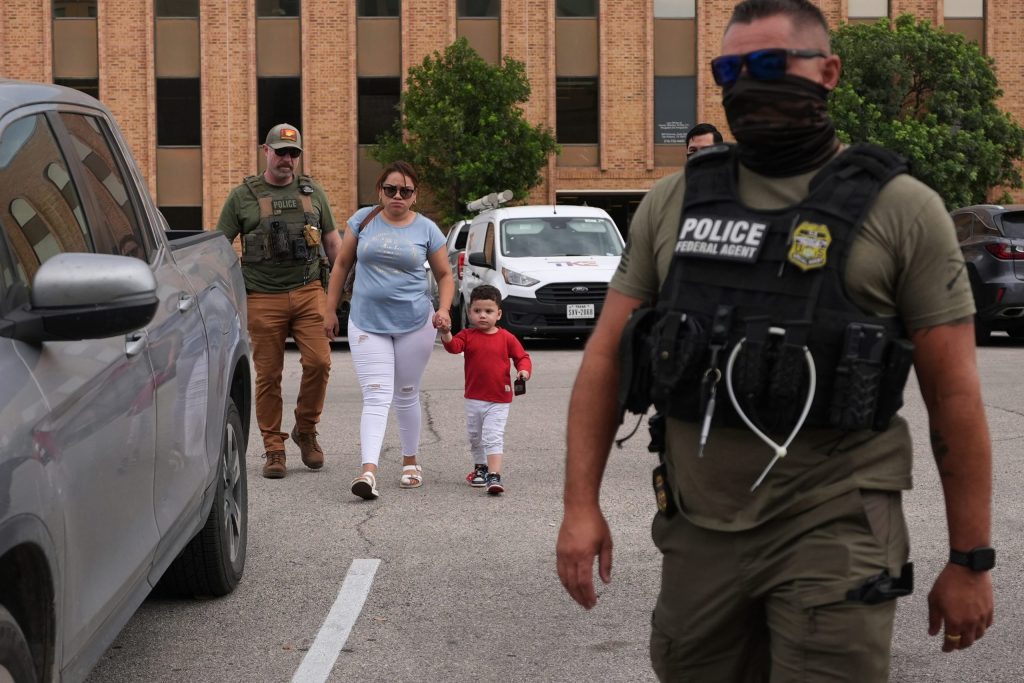
Research highlights that witnessing arrests, a tactic sometimes employed by federal immigration enforcement agents, is particularly damaging to children.The public and often confrontational nature of these events can be deeply traumatizing for young observers.
Such experiences can shatter a child's sense of safety and security, leaving them with lasting psychological scars.
Experts emphasize that immigration regulation does not necessitate public displays that expose children to such distressing scenes.
The Role of Parents as Buffers and the Challenge of Parental Stress
Parents are typically the primary source of comfort and security for their children, acting as crucial buffers against life's adversities.However, when parents themselves are overwhelmed by stress and anxiety related to immigration enforcement, their capacity to effectively buffer their children is significantly diminished.
The emotional exhaustion and fear experienced by parents can make it challenging to provide the consistent reassurance and support that children need.
A study examining pre-kindergarten students in New York City found a direct correlation between parental perceptions of immigration enforcement threat and children's self-regulation skills.
When parents reported higher levels of threat, their children exhibited lower abilities in areas such as attention and impulse control.
These children also displayed increased separation anxiety and overanxious behaviors, underscoring the direct transmission of parental stress to their children's emotional and behavioral functioning.
This demonstrates how parental stress is not just an abstract concept but a tangible force impacting a child's daily life and development.
Children's Perceptions and Fears
The anxieties of parents often translate into concrete fears for children.Accounts have emerged of very young children, some as young as three years old, expressing fears of their parents being deported and the practical implications of such an event, such as not being able to be fed.
This indicates a profound understanding and internalization of the risks their families face.
The impact is evident in their behavior, highlighting the long-term implications of current anxieties.
Observable Manifestations of Stress in Children
Professionals who interact with children and families have reported widespread observations of stress-related symptoms.These include:
- Difficulty Sleeping: Many children struggle to achieve restful sleep, experiencing insomnia or frequent awakenings.
- Fear of Police: A heightened and generalized fear of law enforcement officers is a common concern.
- Skill Regression: Children may regress in developmental milestones, such as potty training or language acquisition.
- Emotional Reactivity: Increased irritability, temper tantrums, and heightened emotional responses are frequently observed.
One poignant story shared involved a child asking her mother to teach her how to cook, so she could care for herself if her mother were deported.
Another example from a childcare provider noted that children who were once curious about new visitors now hide behind their teachers, demonstrating a pervasive sense of caution and fear.
The Pervasive Nature of Fear
The fear surrounding immigration enforcement is not limited to families directly at risk of deportation.Children in communities where enforcement activities are visible or have occurred, even if their own families are not directly targeted, can develop anxieties.
They may hear about events involving immigration agents, such as accounts of citizens being detained or even injured.
This diffused fear can spread throughout a community, impacting a wider circle of children than initially anticipated.
The concern is not just about personal risk but also about the safety of friends, family members, and the broader community.
Strategies for Support and Mitigation
Addressing the profound impact of immigration enforcement on children and parents requires a multi-faceted approach focused on support, resilience, and advocacy.While the broader policy landscape may be complex, there are actionable steps that can be taken at individual and community levels.
For Parents:
- Maintain Routines: Consistency in daily routines can provide a sense of stability and predictability for children, helping to anchor them amidst uncertainty.
This includes regular meal times, sleep schedules, and school attendance.
- Limit Exposure to News: Shielding children from constant exposure to news coverage of immigration enforcement and related events can help reduce their anxiety.
- Open Communication: Create a safe space for children to express their feelings and fears without judgment.
Validate their emotions and reassure them of your love and presence.
- Seek Support Networks: Connect with other parents, community organizations, or faith-based groups for mutual support and shared coping strategies.
- Prioritize Self-Care: While challenging, parents must endeavor to engage in self-care practices to manage their own stress.
This could involve mindfulness, exercise, or seeking professional help.
For Educators and Care Providers:
- Create a Safe and Welcoming Environment: Schools and childcare centers should be havens of safety and inclusivity, where children feel secure and supported.
- Be Observant: Pay close attention to behavioral changes in children that may indicate underlying stress or anxiety.
- Provide Emotional Support: Offer a listening ear and opportunities for children to process their feelings through art, play, or conversation.
- Collaborate with Parents: Maintain open lines of communication with parents to understand the challenges their children may be facing and to coordinate support efforts.
- Advocate for Supportive Policies: Educators and care providers can play a role in advocating for policies that prioritize the well-being of children and families.
Seeking Professional Help:
- Mental Health Professionals: For children experiencing significant anxiety, behavioral issues, or signs of trauma, seeking guidance from child psychologists, therapists, or counselors specializing in trauma is crucial.
- Trauma-Informed Care: Professionals who are trained in trauma-informed care can provide specialized interventions to help children process difficult experiences and build resilience.
In situations of heightened enforcement, families and children may be in a state of emergency, where the primary focus is on survival and maintaining stability.
Conclusion
The intersection of immigration enforcement, parental stress, and childhood development presents a complex and often distressing reality for many families.The anxieties and fears generated by enforcement activities can permeate family life, impacting children's emotional well-being, behavior, and long-term development.
At Mentofy, we recognize the critical importance of understanding these dynamics to foster supportive learning environments and promote the healthy growth of every child.
By acknowledging the profound effects of these societal pressures, prioritizing open communication, and actively seeking support, we can work towards mitigating the negative impacts and building a more resilient future for children and their families.
The well-being of children is a shared responsibility, and informed action is key to navigating these challenging times.






 Explore AI Teaching Tools
Comments (0)
Please login to comment
No comments yet
Be the first to comment on this article