
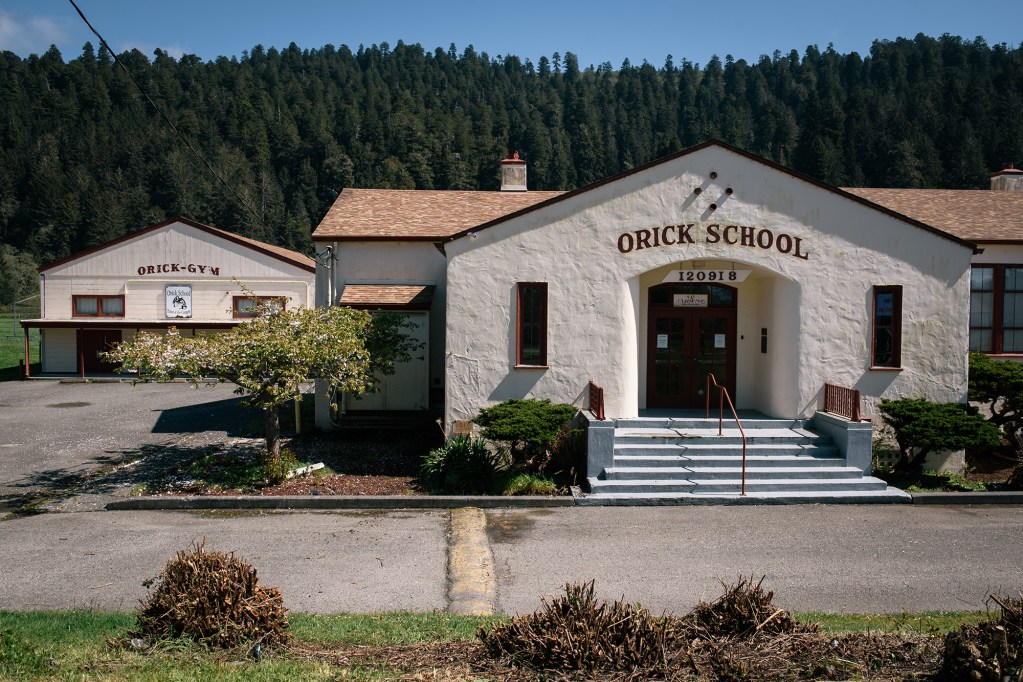
California's educational landscape is facing a stark reality: the immense cost of maintaining tiny, rural schools. In the picturesque town of Orick, a single school with just nine students is costing the district over $100,000 per child annually. This situation forces educators and policymakers to confront difficult questions about equity, community, and the very definition of a viable school in an era of declining enrollment and escalating expenses across the state.
The Unseen Burden of Necessary Small Schools
For many remote communities, the local school is far more than just an educational institution; it's the heart of the town, a vital community hub, and a symbol of hope. In places like Orick, where economic opportunities have dwindled, the school often provides essential services, from food pantries to laundry facilities, and serves as one of the few sources of stable employment.
The challenges are immense. These schools often operate with limited resources, relying heavily on state and federal grants to stay afloat. Maintaining aging infrastructure, providing specialized services for students with high needs, and covering transportation costs for students who must travel significant distances all contribute to the exorbitant per-pupil expenses.
"Close the school? It comes up all the time," said Orick Elementary School District Superintendent Justin Wallace. "But I’d say it’s an equity issue. We have families who can’t afford a lot, and this school provides the most consistent setting for our kids. They’re safe, they’re well fed, they’re learning."
The economic shifts that have hollowed out rural towns have left these schools in a precarious position. Once vibrant communities built around industries like logging or ranching, many now struggle with high poverty rates and limited resources. This creates a complex dilemma for districts: keep the school open to preserve the community's identity and provide essential services, or consolidate and potentially devastate the town.
Saving the Town by Saving the School
In Orick, the fight to keep the elementary school open is intrinsically linked to the fight for the town's survival. Kimberly Frick, a fifth-generation resident and president of the school board, emphasizes that the school is the bedrock of their community. Every effort is made to attract new families and retain existing ones, highlighting the school's commitment to individualized, high-quality education.
The school's role extends far beyond academics. It acts as a vital resource center, offering support to families facing economic hardship. This deep integration into the community fabric makes the prospect of closure particularly devastating, impacting not just students but the entire town's social and economic well-being.
The dedication of staff and community members is palpable. They actively work to maintain the school's facilities and grounds, often filling multiple roles to ensure its continued operation. This level of commitment underscores the profound connection between the school and the town's identity.
A Glimpse into Orick's Unique Environment
Orick's setting, nestled between the Pacific Ocean and the Coast Ranges, offers a unique backdrop for education. The presence of abundant wildlife, including elk that frequently roam the school grounds, provides unparalleled opportunities for outdoor learning experiences. This natural classroom is a significant asset, fostering a deep connection to the environment.
The school's curriculum often incorporates these natural resources, with students engaging in activities like raising trout, studying local ecosystems, and learning about Native traditions. This hands-on approach to education, deeply rooted in the local environment, offers a distinct advantage for these students.
The Financial Tightrope of Small Districts
California's school funding model, which primarily allocates funds based on daily student attendance, presents significant challenges for small, isolated districts. While grants offer some stability, the per-pupil costs remain disproportionately high due to fixed operational expenses.
The budget breakdown in a school like Orick reveals where these funds are allocated: salaries for a small, dedicated staff, essential building maintenance, and transportation costs. Even seemingly minor expenses, like heating bills, become substantial when spread across a tiny student population.
A 2024 survey of K–12 educators in rural districts found that transportation costs and facility maintenance were consistently cited as the top two budget challenges, often exceeding 20% of their total operational budget.
The state does offer some support for "necessary small schools," but the definition and the funding levels are often insufficient to bridge the vast financial gap. This leaves districts like Orick in a constant struggle to balance their budgets while providing the best possible education for their students.
The Complexities of Consolidation
Merging small districts is often proposed as a solution to reduce costs. However, the reality is far more nuanced. While some administrative savings might be realized, increased transportation expenses for students and the potential alienation of close-knit communities can offset these benefits.
Local control and community identity are powerful forces in these small towns. The prospect of losing their local school, even for perceived financial gains, is often met with strong resistance. This makes the consolidation process politically challenging and emotionally fraught.
Furthermore, the savings from consolidation might not be as significant as initially assumed. The cost of transporting students over longer distances, especially in areas with challenging terrain or weather, can quickly escalate, negating any facility or administrative savings.
A Legacy of Small Schools, A Future of Uncertainty
California has a long history of numerous small school districts, a legacy of its past as a more rural state. While consolidation efforts have reduced the number over the decades, many districts with fewer than 100 students still exist, particularly in remote areas.
The state's intervention threshold for under-enrolled schools is quite high, allowing districts to operate with very few students before any action is taken. This lax approach, while intended to protect small communities, can perpetuate financially unsustainable models.
Proposals to increase the minimum district size have been made, but they have yet to be implemented, highlighting the political and social complexities of the issue. The debate continues: should the state guarantee a school in every community, or prioritize the most efficient use of taxpayer funds?
When Nature Reclaims the Past
The history of some rural California towns, like Falk, serves as a stark reminder of what can happen when local economies collapse. Once thriving mill towns, they have been gradually abandoned, with their schools and buildings reclaimed by the surrounding landscape. This serves as a cautionary tale for communities facing similar economic challenges.
The declining enrollment trend in many rural counties, including Humboldt, suggests that these challenges are likely to persist. Without significant economic revitalization, many small schools may face an uncertain future, forcing difficult decisions upon district leaders and community members alike.
The proactive planning encouraged by county superintendents aims to mitigate the disruptive impact of sudden school closures. By anticipating future enrollment trends and exploring various options, districts can work towards more managed transitions, should they become necessary.
Innovative Approaches to Education, Regardless of Size
Despite the financial hurdles, schools like Orick are demonstrating that size does not equate to quality. Their commitment to innovative educational practices, particularly in outdoor education and the integration of Native traditions, provides a rich and engaging learning experience for every student.
The use of technology can also play a crucial role in enhancing learning in small districts. Tools like Mentofy AI teaching tools can help teachers create engaging lesson plans and assessments, while MentofyCove classroom games can foster collaboration and critical thinking among students, even with limited class sizes.
For educators in these unique settings, maximizing engagement is key. Utilizing Mentofy AI lesson plan generators can save valuable time, allowing teachers to focus more on individualized student needs. Similarly, incorporating live quiz sessions or word search game activities can make learning fun and interactive for every child.
The challenges faced by schools like Orick are a microcosm of a larger issue facing education in California and beyond. Finding a sustainable balance between providing equitable educational opportunities and managing financial realities will require creative solutions, community collaboration, and a willingness to adapt to a changing world. The future of these vital community anchors depends on it.





 Explore AI Teaching Tools
Comments (0)
Please login to comment
No comments yet
Be the first to comment on this article