
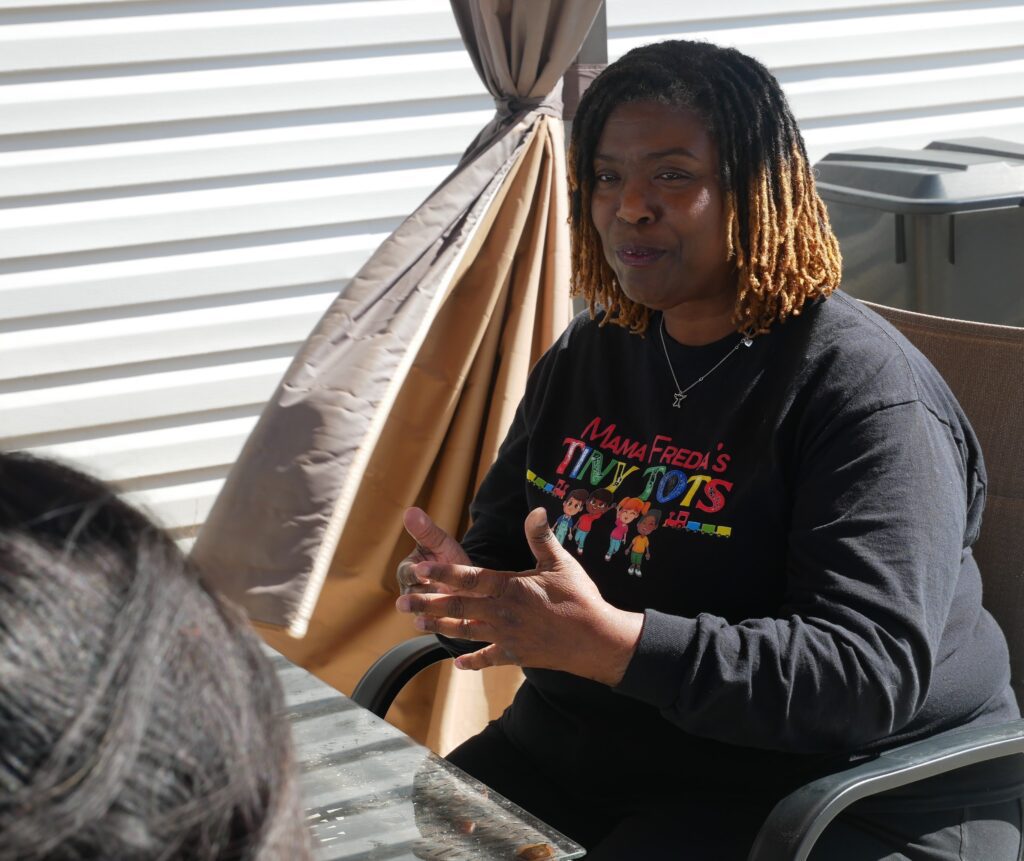
In a landscape often dominated by large centers, a quiet revolution is unfolding in North Carolina, proving that intimate, home-based early learning environments can offer profound support for both children and their families. The success of Mama Freda’s Tiny Tots Child Care, a program supported by Grow Early Learning, highlights a critical need for flexible, community-rooted childcare solutions, especially for vulnerable populations like agricultural workers.
Home-Based Care Emerges as a Vital Solution
The launch of Mama Freda’s Tiny Tots Child Care in Kings Mountain marks a significant step for Grow Early Learning, a nonprofit with deep roots in Head Start programming. This licensed family child care home (FCCH) represents a strategic shift towards more accessible and intimate care models. By establishing these smaller, home-based programs, Grow Early Learning is directly addressing the unique challenges faced by families in rural areas and those with non-traditional work schedules.
These programs are designed to be more affordable and convenient, bringing essential early learning services closer to where families live and work. This approach fosters a deeper connection between providers, children, and parents, creating a nurturing environment that feels more like an extension of the family itself.
“We’re able to serve closer to where families actually live, and … it’s more affordable,” says Andrea Martinez Langlois, Grow Early Learning’s family child care home manager. “We can provide all the services that (we can at) the center level, just more intimate.”
The intimate setting of a family child care home allows for a more personalized approach to learning and development. This can be particularly beneficial for very young children, offering them a sense of security and belonging that supports their early growth and exploration.
Arikco Watkins: A Provider's Journey to Empowerment
Arikco Watkins, the owner of Mama Freda’s Tiny Tots Child Care, embodies the spirit of dedication and resilience that defines many early childhood educators. Her journey to opening her own licensed family child care home was fueled by personal experience and a deep desire to provide the kind of care she wished for her own children.
Watkins’ inspiration came from her mother, Freda, who cared for neighborhood children. This early exposure to the impact of quality childcare instilled in Watkins a lifelong commitment to the field. After navigating the complexities of finding childcare for her own children and experiencing the demands of running a program solo for seven years, she recognized the immense challenges faced by providers, who often wear multiple hats.
The isolation and multifaceted demands of running a child care home can lead to burnout, a reality reflected in the declining number of family child care homes in North Carolina. Watkins herself considered leaving the field before being re-inspired to open Mama Freda’s, a testament to her passion for supporting children and families.
Grow Early Learning's Crucial Support System
The partnership with Grow Early Learning has been transformative for Arikco Watkins. The organization’s comprehensive support, encompassing funding, technical assistance, and ongoing coaching, has fundamentally changed her experience as a child care provider. This level of support is not merely financial; it extends to invaluable guidance and emotional backing.
Destiny Simmons, a family child care home specialist at Grow Early Learning, played a pivotal role in helping Watkins establish Mama Freda’s. Simmons not only assisted in finding children and navigating the licensing process but also provides bi-weekly visits for coaching and family engagement. This consistent presence ensures that providers like Watkins receive the professional development and encouragement they need to thrive.
This structured support is a cornerstone of the Head Start model, enabling providers to offer high-quality curriculum and services to all children in their care, even those not directly funded by Head Start. Furthermore, the consistent funding has allowed Watkins to expand her team, hiring additional staff, which significantly reduces stress and isolation while enhancing the quality of care and education provided.
“Sometimes I sit and I cry because — I’m serious — I’ve never had this opportunity, or even had this support,” Watkins shares, highlighting the profound emotional and professional impact of Grow Early Learning's assistance.
The ability to build a team transforms the solitary nature of home-based care into a collaborative, supportive environment, fostering a sense of belonging not just for the children but for the adults as well. This collaborative spirit is essential for long-term sustainability in the demanding field of early childhood education.
Navigating Federal Uncertainty and Policy Shifts
The operational landscape for Head Start programs like Grow Early Learning is often subject to the volatility of federal policy and funding. Recent federal shutdowns and policy changes have underscored the precariousness faced by these vital services, impacting thousands of children and families.
The longest federal shutdown in U.S. history, for instance, temporarily closed Grow Early Learning’s centers, disrupting care for hundreds of children across multiple states. Even after re-opening, challenges persisted, particularly concerning federal directives that removed protections for locations like child care centers, potentially allowing immigration enforcement actions.
This policy shift created significant anxiety for families, leading to decreased attendance and heightened fear. In response, Head Start associations have actively advocated for legislative changes to ensure that early learning programs remain safe havens for children, free from enforcement actions that could disrupt families and their access to essential care.
The advocacy highlights the critical need for stable, supportive federal policies that recognize the foundational role of early childhood education in supporting working families and the broader economy. Ensuring that parents can feel secure knowing their children are safe while they work is paramount.
Expanding Reach: New Models for Rural Communities
Grow Early Learning’s strategic expansion into home-based child care programs is a direct response to the specific needs of rural communities and agricultural worker families. These smaller, more adaptable settings are proving to be an ideal fit for areas where large centers are not feasible or desired.
The organization recognized that to effectively serve these populations, they needed to develop models that were both accessible and aligned with family preferences. Many families, especially those with infants and toddlers, find the intimate, home-like atmosphere of family child care homes to be more nurturing and secure.
Building these programs from the ground up involved overcoming numerous logistical hurdles. This included identifying potential providers willing to partner, navigating zoning and homeowners' association regulations, and guiding new providers through the often-complex licensing process. Grow Early Learning has developed a robust system to support individuals from initial interest to becoming fully licensed providers.
The demand for such programs is significant. In many rural areas, there are more children needing care than there are available providers, a persistent challenge that Grow Early Learning is actively working to address through strategic partnerships and outreach efforts.
Building Trust and Community Through Care
At Mama Freda’s Tiny Tots, the focus extends beyond basic childcare to fostering a strong sense of community and trust. Arikco Watkins prioritizes building genuine relationships with the parents whose children she cares for, understanding that this is key to supporting the entire family unit.
When faced with communication barriers, such as a language difference with some Spanish-speaking parents, Watkins proactively sought solutions, including acquiring a translation device and planning to hire bilingual staff. This commitment to clear and empathetic communication ensures that all families feel understood and valued.
Watkins actively engages families by organizing events outside of operating hours, like holiday parties and Easter egg hunts. These gatherings are carefully planned to accommodate parents’ schedules, maximizing participation and strengthening the bonds within the Mama Freda’s community. This dedication to centering the needs of families demonstrates a holistic approach to care.
The reciprocal nature of this care is evident in the strong support Watkins receives from parents, who express deep appreciation for her dedication. This mutual respect and support create a powerful network, where parents not only feel confident in the care their children receive but also feel empowered to advocate for each other within the early childhood system.
The Future of Early Learning: Intimacy and Support
The success of Mama Freda’s Tiny Tots Child Care, backed by Grow Early Learning, offers a compelling vision for the future of early childhood education. It underscores the profound impact of intimate, home-based care models that are deeply integrated into the communities they serve.
By prioritizing flexibility, affordability, and personalized attention, these programs are not only meeting the immediate needs of children and families but also building a foundation for lifelong learning and well-being. The support provided by organizations like Grow Early Learning is crucial in empowering dedicated providers and ensuring the sustainability of these vital services.
As the field continues to evolve, the lessons learned from initiatives like this will be invaluable in shaping policies and practices that champion the unique strengths of home-based care and its capacity to nurture the youngest members of our society. The emphasis on care, connection, and community remains paramount.






 Explore AI Teaching Tools
Comments (0)
Please login to comment
No comments yet
Be the first to comment on this article