
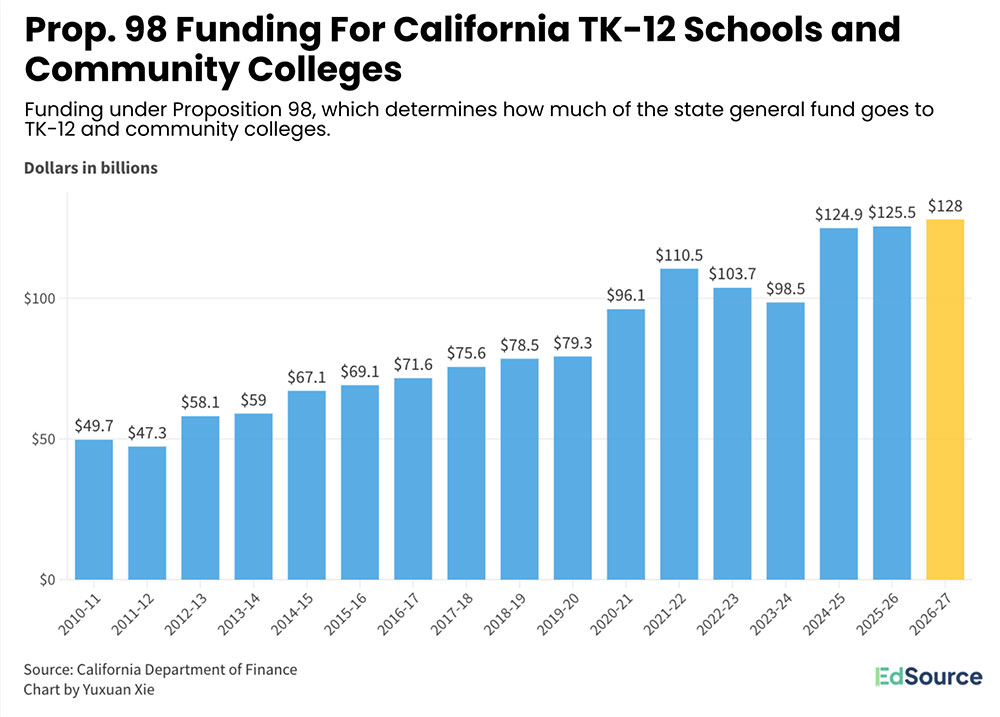
California's education landscape is poised for significant shifts as Governor Gavin Newsom signs off on his eighth and final budget. This substantial fiscal plan, shaped by favorable economic winds and legislative negotiation, injects billions into signature programs while offering much-needed relief to districts grappling with declining enrollment. For educators, this means renewed investment in student support and a potential buffer against future financial uncertainties.
Billions Flow into Key Educational Initiatives
The recently passed budget allocates unprecedented funding towards ambitious, multi-year projects designed to bolster student success. These investments are not merely about numbers; they represent a strategic commitment to the long-term well-being of California's K-12 students, particularly those in underserved communities.
A cornerstone of this budget is the continued expansion of community schools, a program aimed at creating holistic support systems within school walls. This initiative, coupled with enhanced after-school and summer school programs for low-income K-6 students, signals a proactive approach to addressing achievement gaps and providing enriching learning opportunities outside traditional school hours.
The 2026-27 fiscal year sees a significant influx of resources dedicated to transforming the educational experience for countless California students.
Another high-priority area receiving substantial backing is universal school meals. While the full rollout depends on infrastructure, a one-time $500 million grant program is set to equip schools with the necessary kitchen facilities. This move underscores a commitment to ensuring no student goes hungry, recognizing the direct link between nutrition and academic performance.
Addressing District Financial Pressures
For many school districts, especially smaller ones, the rising cost of operations and the impact of declining enrollment have created significant financial strain. This budget introduces several measures designed to alleviate these pressures and provide greater fiscal stability.
A substantial increase of $2.4 billion annually for special education funding offers critical support for districts managing these complex and often costly services. This boost acknowledges the unique needs of students requiring specialized instruction and resources.
Furthermore, districts will benefit from a higher-than-average cost-of-living adjustment, helping to offset inflationary pressures. The inclusion of a $5 billion block grant, providing $937 per student with no strings attached, offers unprecedented flexibility for districts to address their most pressing needs, whether it's technology upgrades, professional development, or staffing.
Navigating Proposition 98 and Program Shifts
The intricate funding mechanism of Proposition 98, which guarantees a significant portion of the General Fund for K-14 education, plays a crucial role in this budget. This constitutional amendment has served as a protective shield for schools during periods of economic volatility.
In a move that generated some debate, Newsom and legislators opted to temporarily withhold $3.9 billion in Prop. 98 funding. This decision allows for increased spending on other vital general fund programs. Additionally, certain preschool programs are being shifted under the Prop. 98 umbrella, a strategy that advocates believe will foster their long-term growth and accessibility.
This budget reflects a strategic approach to resource allocation, balancing immediate needs with long-term educational vision.
These budgetary maneuvers, while complex, aim to optimize resource allocation across the educational spectrum. The final budget covers a wide array of essential areas, from special education and teacher training to the ambitious goal of universal school meals.
Actionable Insights for Educators
The implications of this budget extend directly into the classroom and the daily work of educators. Understanding these allocations can empower teachers to leverage new resources and advocate for their students' needs.
- Enhanced Literacy Support: The $350 million allocated to extend reading coach funding for high-poverty schools for another five years is a significant win. Educators in these schools can expect continued specialized support to bolster student literacy skills.
- Technology and Resources: While not explicitly detailed for every district, the substantial overall funding increase suggests opportunities for technology upgrades, new instructional materials, and potentially access to innovative tools. This could include exploring platforms that offer MentofyCove classroom games for engaging learning or leveraging Mentofy AI teaching tools for efficient lesson planning and assessment creation.
- Professional Development: With increased funding, districts may have more capacity to invest in professional development opportunities. Educators should look for training that aligns with current educational trends, such as integrating AI into teaching or implementing new pedagogical strategies.
- Student Well-being: The focus on community schools and universal meals highlights a commitment to the holistic well-being of students. Educators can play a vital role in connecting students and families to these expanded support services.
This final budget from Governor Newsom sets a strong precedent for educational investment in California. The coming years will reveal the full impact of these significant funding allocations, offering educators new avenues to innovate and enhance the learning experiences of all students.




 Explore AI Teaching Tools
Comments (0)
Please login to comment
No comments yet
Be the first to comment on this article