
In an era where education policy often feels like a political tug-of-war, a surprising consensus emerges from the data: Republicans and Democrats, when asked directly, largely agree on the core qualities of a good teacher. This shared understanding, often overshadowed by national debates, holds significant implications for how we support and evaluate educators, suggesting a path toward common ground in improving our schools for all students.
The Unifying Power of a Memorable Educator
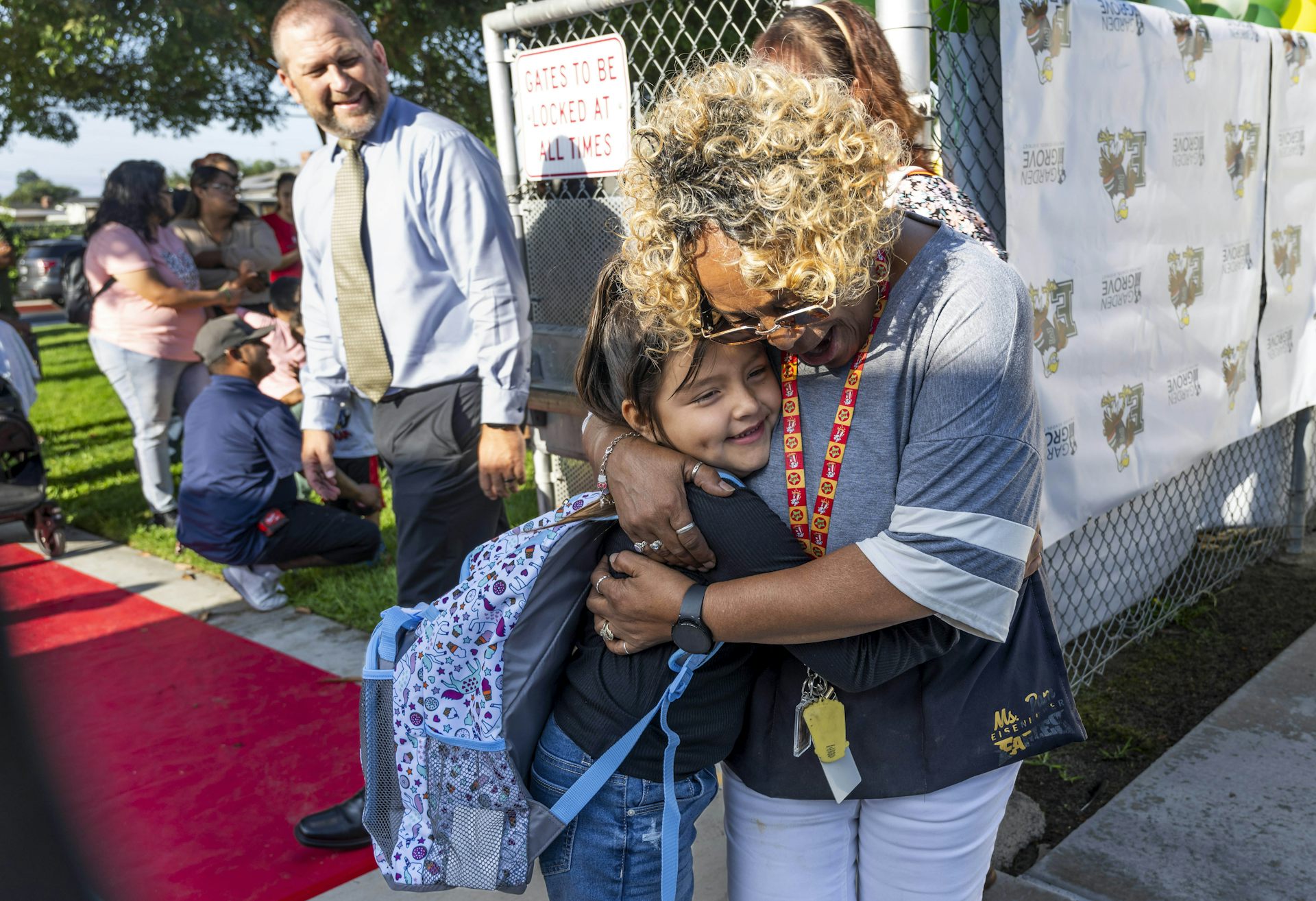
When Americans across the political spectrum are prompted to recall a teacher who made a significant impact, the descriptions often converge on a few fundamental pillars. It's not about the volume of material covered or the strictness of discipline, but rather the human connection and the relevance of the learning experience.
A recent study, surveying over 2,000 Americans from 2020 to 2025, sought to uncover these shared values. The findings were remarkably consistent, cutting across age, race, gender, and crucially, political affiliation. This suggests that while national discourse may highlight division, the lived experience of learning often points to a more unified vision of effective teaching.
"People prioritized the same factors – how much the teachers cared about their students and whether they supported them – regardless of their age, race, gender or political affiliation."
This emphasis on relationships and relevance is a powerful indicator of what truly resonates with students and what they remember years later. It underscores that a good teacher is often defined by their ability to connect, inspire, and make learning meaningful.
Beyond the Textbook: What Truly Defines a Good Teacher
The research consistently shows that people don't prioritize teachers who simply cover a vast amount of material or those who run a rigidly disciplined classroom. Instead, the qualities that stand out are deeply human and relational.
When asked to rank statements about effective teaching, participants overwhelmingly favored those that spoke to the teacher's empathy, ability to personalize instruction, and skill in making lessons relevant to students' lives. This focus on the individual student experience is a common thread, regardless of the respondent's political leanings.
This is a critical insight for educators, reminding them that their ability to foster a supportive and engaging learning environment can be more impactful than simply adhering to a prescribed curriculum pace. Tools that help teachers understand and connect with individual students can be invaluable.
The Role of Relationships in Learning
At the heart of what makes a good teacher, according to this broad consensus, is the cultivation of strong relationships. This includes showing genuine care for students, understanding their individual needs, and providing personalized support.
Teachers who are perceived as good are those who take the time to know their students, not just academically, but as individuals. This personal investment creates a foundation of trust and respect, making students more receptive to learning and more likely to engage with the material.
The study highlights that this aspect of teaching is universally valued. It's a reminder that while pedagogical strategies are important, the human element of teaching remains paramount. For teachers looking to enhance their practice, focusing on building these connections can yield significant rewards.
Making Learning Relevant and Engaging
Beyond personal connection, a key characteristic of a good teacher is their ability to make learning relevant to students' lives. This involves bridging the gap between academic content and the real world, demonstrating the practical application and inherent value of what is being taught.
When students see how what they are learning applies to their own experiences or future aspirations, their motivation and engagement skyrocket. This often involves creative lesson planning and finding novel ways to present information.
This is where innovative teaching tools can make a significant difference. For example, using MentofyCove classroom games can transform abstract concepts into interactive challenges, making learning fun and memorable. Similarly, leveraging Mentofy AI teaching tools for lesson planning can help educators design activities that are both engaging and directly tied to learning objectives.
The Influence of Political Labels on Perception
While the core qualities of a good teacher appear to be universally recognized, the study revealed a fascinating wrinkle: the impact of political labeling on how these qualities are perceived.
In an experiment designed to test this, participants were presented with descriptions of good teachers. When these descriptions were presented neutrally, agreement was high across all political affiliations. However, when the same descriptions were attributed to a particular political party, agreement levels shifted, particularly among Republicans.
This phenomenon, known as affective polarization, suggests that our receptiveness to an idea can be influenced by our perception of who supports it. This has profound implications for how educational reforms are discussed and implemented.
"When we added a note saying that a political party the survey participant did not identify endorsed a particular description of a good teacher, they became less likely to support the statement."
This highlights the challenge of finding common ground in education. The way issues are framed can inadvertently create divisions, even when the underlying beliefs are aligned. For educators and policymakers, understanding this dynamic is crucial for fostering productive dialogue.
Affective Polarization in Education Debates
The study's findings on affective polarization are particularly relevant to the current educational landscape. Debates around curriculum, book selections, and teaching methodologies are often framed through a partisan lens, making it difficult to identify areas of shared concern.
When descriptions of effective teaching are associated with specific political ideologies, people may become less inclined to agree with them, even if those descriptions align with their own experiences and values. This can lead to a situation where deeply held beliefs about good teaching are rejected simply because of their perceived political affiliation.
This is a significant hurdle for progress. It suggests that focusing solely on partisan differences obscures the potential for collaboration based on shared goals for student success. Educators often find themselves navigating these polarized discussions, impacting their ability to implement best practices.
Bridging the Divide: Focusing on Shared Values
Despite the influence of political labels, the underlying agreement on what constitutes a good teacher remains strong. This shared foundation offers a powerful starting point for bridging partisan divides in education.
By shifting the focus from political affiliations to the tangible qualities of effective teaching—care, relevance, and individualized support—we can create a more unified vision for educational improvement. This requires a conscious effort to frame discussions around these universally valued attributes.
For teachers, this means continuing to prioritize the relational aspects of their work and finding ways to demonstrate the relevance of their lessons. It also means advocating for policies that recognize and support these core teaching practices, regardless of political rhetoric.
Implications for Educational Policy and Practice
The persistent agreement on the core tenets of good teaching, even amidst political polarization, has significant implications for educational policy and practice. It suggests that many current policy priorities may not fully align with what people across the political spectrum believe is most effective.
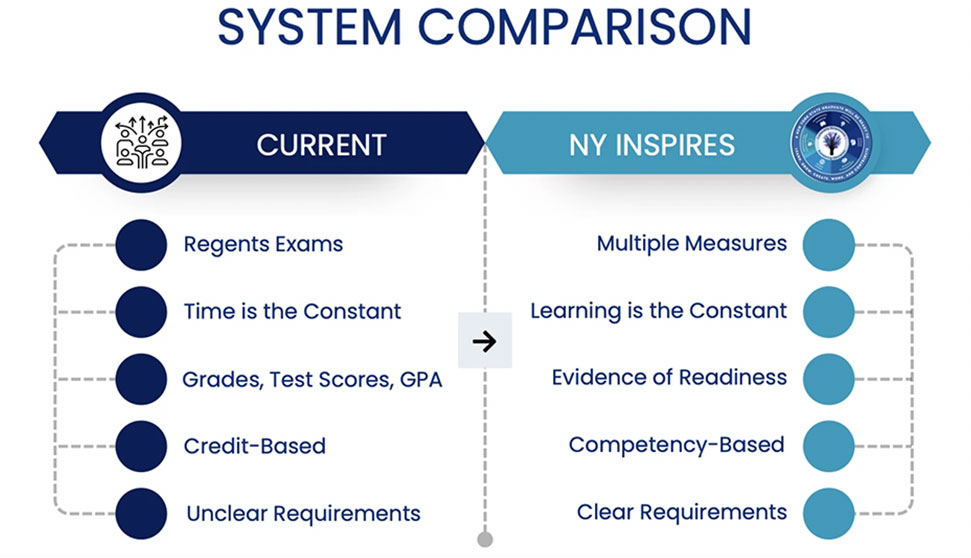
For decades, federal and state policies have often emphasized standardized testing and competition, as seen with initiatives like No Child Left Behind. While these policies aim for accountability, they may not fully capture or support the relational and relevance-driven aspects of teaching that are so highly valued by the public.
Recognizing this gap is the first step toward creating more effective and broadly supported educational reforms. It opens the door for policies that empower teachers to focus on what truly matters for student development and engagement.
Rethinking Policy Priorities
The findings strongly suggest a need to re-evaluate current educational policy priorities. When the public, regardless of political affiliation, consistently prioritizes teacher-student relationships and lesson relevance, policies that solely emphasize standardized metrics may be missing the mark.
This doesn't mean abandoning accountability, but rather broadening the definition of what constitutes success. Policies could be designed to better support teachers in building relationships, fostering critical thinking, and making learning meaningful for all students.
For instance, investing in professional development that focuses on social-emotional learning and culturally responsive pedagogy can directly address the valued qualities of a good teacher. Similarly, allowing for more flexibility in curriculum design can empower teachers to make lessons more relevant to their specific student populations.
Empowering Teachers with the Right Tools
In today's dynamic classroom, teachers need tools that support their ability to connect with students and make learning engaging. The consensus on what makes a good teacher highlights the importance of resources that facilitate these essential functions.
Platforms that offer AI lesson plan generation, like those found in Mentofy AI teaching tools, can free up valuable teacher time, allowing them to focus more on individual student needs and relationship building. The ability to quickly create varied assessments, such as through an exam creator, also supports personalized learning.
Furthermore, tools that foster classroom engagement and collaboration are crucial. MentofyCove classroom games provide interactive ways for students to practice concepts and build community, directly supporting the goal of making learning fun and relevant. For teachers looking to manage classroom dynamics, features like MentofyBoards with its interactive widgets, or MentofyGroups for smart student grouping, can streamline classroom management and enhance the learning experience.
The Path Forward: Collaboration and Common Ground
The most significant takeaway from this research is the potential for unity in education. While political debates often focus on disagreements, there is a clear and present area of agreement on what makes a good teacher.
This shared understanding can serve as a powerful foundation for collaboration. By focusing on the universally valued qualities of caring, relevance, and individualized support, educators, parents, and policymakers can work together to create schools that truly serve the best interests of all students.
The challenge lies in moving beyond the noise of partisan rhetoric and recognizing the common ground that already exists. By actively seeking out and amplifying these shared beliefs, we can foster a more constructive and effective approach to improving education for generations to come. It's a reminder that at the heart of our schools are shared aspirations for our children's futures.




 Explore AI Teaching Tools
Comments (0)
Please login to comment
No comments yet
Be the first to comment on this article