
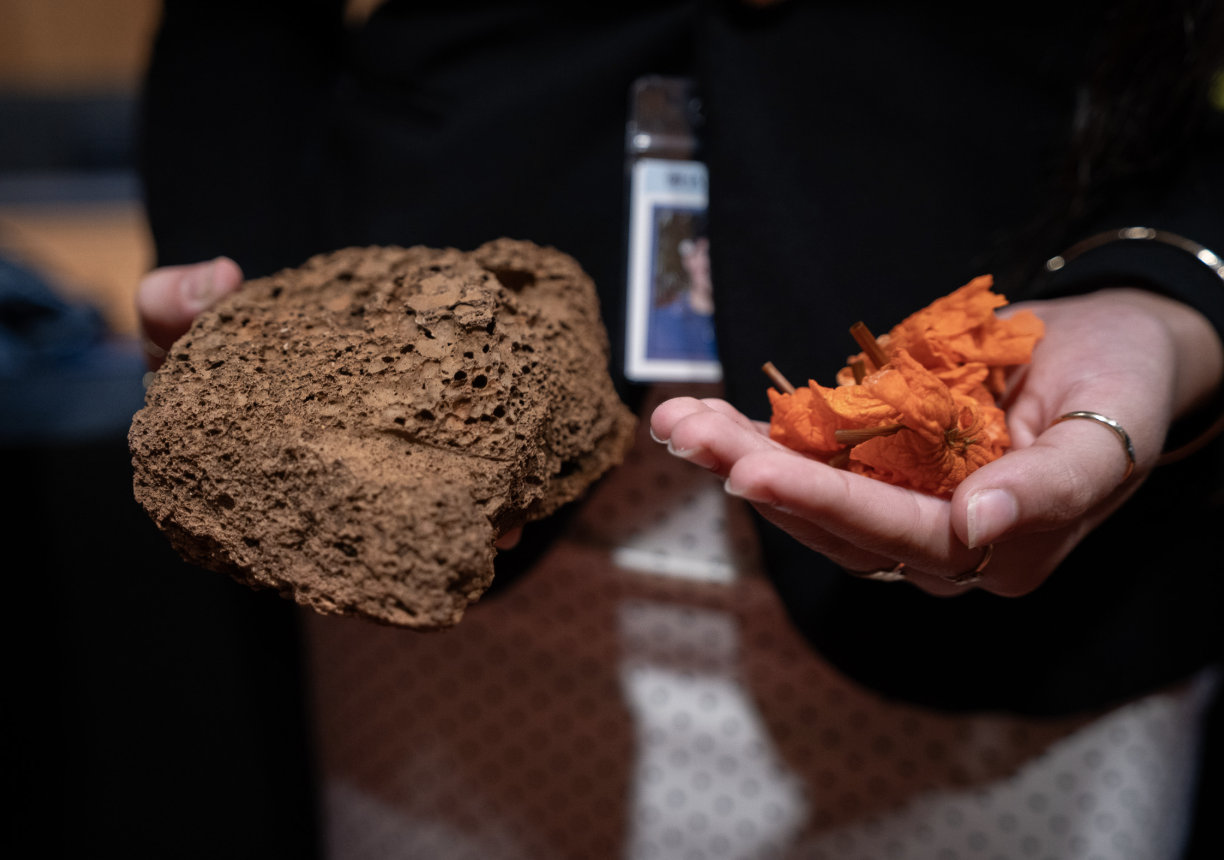
Imagine a legislative chamber buzzing not with seasoned politicians, but with teenagers grappling with complex policy decisions. This isn't a scene from a fictional drama; it's the reality of programs designed to empower young voices in shaping their communities. For educators, understanding how to foster this kind of civic engagement within their own classrooms can unlock powerful learning opportunities for all students, particularly those from underrepresented backgrounds.
When Teenagers Govern: The Power of Simulated Democracy
A recent convening of Native Hawaiian high school students for a mock legislative session, ʻAha ʻŌpio, highlighted a critical truth: young people are not just future leaders, they are present stakeholders with valuable perspectives. These students, representing diverse islands and backgrounds, stepped into the roles of legislators, debating policy proposals and experiencing the intricacies of lawmaking firsthand. This immersive approach moves beyond textbook learning, offering a tangible connection to the democratic process.
The core of the ʻAha ʻŌpio experience was confronting real-world issues, such as the rising concern over teen vaping. Student delegates engaged in spirited debates, proposing solutions that ranged from increased taxes to the complete elimination of such taxes, demonstrating a nuanced understanding of personal responsibility and governmental regulation. This direct engagement with complex problems fosters critical thinking and problem-solving skills essential for any student.
"There’s critical importance in equipping our Native Hawaiian youth with the information that they need to advocate for our people, for our ʻāina."
Organized by the Office of Hawaiian Affairs (OHA), this initiative underscores the significant impact of culturally grounded civic education. By placing Native Hawaiian youth within governmental structures and connecting them to their heritage, the program aims to cultivate a generation of informed and empowered advocates. This model offers valuable lessons for educators seeking to integrate cultural relevance and civic responsibility into their curriculum.
Bridging the Representation Gap Through Early Engagement
Statistics reveal a stark reality: Native Hawaiians are underrepresented in the Hawaiʻi State Legislature. This disparity underscores the vital role of programs like ʻAha ʻŌpio in fostering a sense of belonging and agency among Native Hawaiian students. By providing early exposure to government systems, these initiatives aim to demystify the legislative process and encourage students to envision themselves as active participants.
The program’s design intentionally immerses students in the mechanics of governance, from drafting bills to navigating parliamentary procedure. This hands-on approach is far more impactful than passive learning, allowing students to internalize the principles of democracy through direct experience. For educators, this translates to the importance of creating active learning environments where students can explore concepts through simulation and debate.
Beyond the legislative simulation, the emphasis on *pilina*, or relationships, is a cornerstone of the program. The shared experience of living, working, and debating together forges strong bonds among the student delegates. This network of young leaders is poised to collaborate and drive change, demonstrating the power of peer-to-peer learning and community building.
Cultivating Future Leaders: The Impact of Experiential Learning
The experience of serving as Speaker and Vice Speaker for the mock legislature offered profound insights for students like Rilynn Kawaikoʻolilihilihiokalikolehua Perez. Stepping into these leadership roles evoked a deep sense of respect for the responsibilities of real legislators and the significant influence they wield. This emotional connection to the process is a powerful motivator for civic participation.
The weight of leadership and the realization of the privilege involved in shaping Hawaiʻi’s future resonated deeply with Perez. This firsthand encounter with the demands and rewards of governance can ignite a lifelong commitment to public service. Educators can foster similar feelings of empowerment by assigning leadership roles and responsibilities within classroom activities.
For many delegates, the most cherished aspect of ʻAha ʻŌpio was the profound sense of connection forged with their peers. The opportunity to understand each other's values and perspectives, through shared living and intense discussion, created a powerful foundation for collaboration. This highlights how immersive educational experiences can build not only knowledge but also crucial social and emotional skills.
The Power of Shared Experience
Samantha Kela’s reflection on the program emphasizes the deep understanding gained of fellow delegates' morals and their vision for their homeland. The intensive nature of the program, where students slept, ate, and talked together, fostered an environment of authentic connection and mutual respect. This shared journey allowed for a deeper exploration of complex issues and a stronger sense of collective purpose.
Perez echoed this sentiment, identifying the importance of the relationships formed as a primary takeaway. Despite the playful camaraderie, the conversations consistently returned to the serious impact of the issues they debated on their generation. This underscores how engaging students with topics that directly affect them can foster a sense of urgency and ownership.
"We’re a bunch of teenagers and you wouldn’t think that we have all of these ideas about our ʻāina. But we do, and we have to talk about it."
The program’s success lies in its ability to validate the ideas and concerns of young people, particularly regarding their connection to the ʻāina (land). It challenges the perception that teenagers lack the capacity for meaningful civic discourse, proving instead that they possess insightful perspectives and a strong desire to contribute. This is a powerful message for educators to bring into their classrooms, encouraging students to voice their opinions and engage in thoughtful dialogue.
Empowering Voices: Creating Pathways for Civic Action
A central objective of ʻAha ʻŌpio is to help Native Hawaiian youth recognize their crucial role in shaping Hawaiʻi’s future. Both the students and organizers emphasized that programs like this are essential for providing a direct pathway into civic engagement, something many young people feel is lacking. This sense of exclusion can be a significant barrier to participation.
The feeling that their voices don't matter in government can lead to disengagement. ʻAha ʻŌpio directly combats this by demonstrating that their input is not only valued but actively sought. This empowerment is crucial for fostering a lifelong commitment to civic responsibility and community involvement for all students.
For Wehena Hussey-Townsend, a particularly moving aspect was witnessing students from the mainland reconnect with Hawaiʻi and engage passionately in discussions about its future. This highlights the universal need for young people, regardless of their birthplace, to feel a connection to their heritage and a sense of agency in their communities. This principle is transferable to any educational setting, encouraging students to explore their roots and advocate for their communities.
Translating Civic Engagement to the Classroom
The principles demonstrated by ʻAha ʻŌpio offer a powerful blueprint for educators aiming to foster civic literacy and engagement within their classrooms. The success of this program hinges on creating immersive, relevant, and relationship-driven learning experiences.
Key Strategies for Educators:
- Simulate Real-World Scenarios: Create mock trials, legislative debates, or community planning sessions that mirror real-world challenges. This allows students to practice critical thinking and problem-solving in a safe environment.
- Integrate Cultural Relevance: Connect curriculum to students' cultural backgrounds and local community issues. This makes learning more meaningful and empowers students to see themselves as agents of change within their own contexts.
- Foster Strong Relationships: Design activities that encourage collaboration, teamwork, and mutual respect. Building a strong sense of community within the classroom is essential for open dialogue and shared learning.
- Empower Student Leadership: Provide opportunities for students to take on leadership roles, whether in group projects, classroom governance, or presenting their work. This builds confidence and a sense of agency.
- Connect to Real-World Impact: Help students understand how their learning connects to tangible outcomes and how they can make a difference in their communities. This can involve guest speakers, community projects, or research into local issues.
Tools like Mentofy AI teaching tools can be invaluable in this process. Features such as AI lesson plan generation can help educators design engaging activities that incorporate civic themes, while AI grading can free up valuable time for more direct student interaction. Furthermore, interactive tools like MentofyCove classroom games can inject fun and engagement into learning complex topics, making them more accessible and memorable for students.
The success of ʻAha ʻŌpio demonstrates that when young people are given the opportunity to engage meaningfully with civic issues, they rise to the occasion with passion and insight. By adopting similar strategies, educators can cultivate a generation of informed, engaged, and empowered students ready to make a positive impact on their communities and the world.



 Explore AI Teaching Tools
Comments (0)
Please login to comment
No comments yet
Be the first to comment on this article