
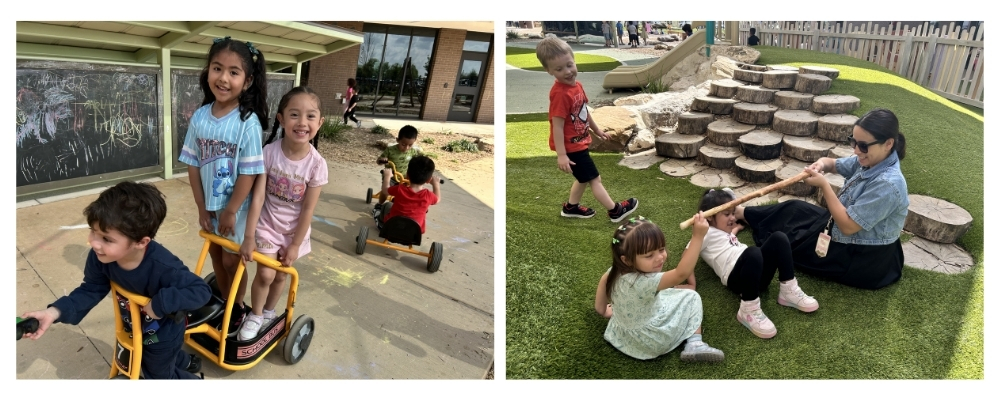
In an era where childcare costs can rival mortgage payments, a groundbreaking initiative in San Antonio, Texas, is proving that high-quality early education isn't just a luxury, but a tangible community investment. By strategically leveraging a dedicated local funding stream, San Antonio has cultivated one of the nation's most ambitious and successful pre-k programs, demonstrating a powerful model for other cities grappling with similar challenges. This isn't just about providing a place for children; it's about building a foundation for future economic prosperity and educational equity, and educators nationwide can learn invaluable lessons from its success.
How a City Said "Yes" to Early Education, and What It Means for Teachers
The journey of Pre-K 4 SA, San Antonio's citywide early childhood education program, began not with a grand federal mandate, but with a local recognition of critical needs. Faced with rising poverty, educational disparities, and a concerning "brain drain" of young talent, city leaders sought a sustainable solution. The answer, proposed by then-Mayor Julián Castro, was a bold investment in the youngest residents: high-quality pre-kindergarten.
This vision wasn't without its hurdles. In 2012, the proposal to fund this ambitious program through a small increase in the city's sales tax faced skepticism. Many questioned the city's role in education, and some local school districts viewed the initiative as competition. Yet, the compelling data and community engagement efforts ultimately swayed voters.
"There were a lot of questions about whether the city belonged in education at all."
The passage of the ⅛-cent sales tax in November 2012 marked a pivotal moment. This seemingly small fraction of a cent, capped by state law, was designed to provide a consistent, dedicated revenue stream, distinguishing it from funding reliant on temporary grants or fluctuating surpluses. This foresight has allowed Pre-K 4 SA to grow and adapt, serving over 23,000 children since its inception.
Building a Sustainable Model: The Power of Dedicated Funding
The financial backbone of Pre-K 4 SA is its dedicated ⅛-cent city sales tax. This approach offered a less visible, and therefore less contentious, way to fund a crucial public service compared to property taxes. While sales taxes can be regressive, their widespread impact across everyday purchases made them a more palatable option for voters.
Initially estimated to generate around $32 million annually, the sales tax revenue has steadily increased. In 2025, it brought in an impressive $51.7 million, forming the bulk of the program's $61.2 million annual budget. This consistent and growing financial support has been instrumental in the program's expansion and its ability to maintain high standards.
The program's commitment to sustainability is further evidenced by its public-private partnerships. For instance, the South Education Center's new building was funded by a $33 million investment from HOLT Group, a local manufacturing company, with the intention for Pre-K 4 SA to purchase it over time. This innovative approach diversifies funding and strengthens community ties.
Quality Over Access: A Core Tenet of San Antonio's Approach
San Antonio's Pre-K 4 SA program distinguishes itself by prioritizing quality above all else. This commitment is reflected in its comprehensive approach to curriculum, teacher development, and family engagement. The program understands that simply providing access to early education is insufficient; the education itself must be exceptional.
This focus on quality is a direct response to the understanding that mediocre early learning experiences can have negative impacts. By investing in highly qualified staff, robust professional development, and evidence-based pedagogical practices, Pre-K 4 SA aims to deliver transformative learning opportunities for every child.
"What makes San Antonio different is quality. No program nationally does the comprehensive work that Pre-K 4 SA does."
The program's success is also measured by its profound impact on student outcomes. A study by the University of Texas at San Antonio found that Pre-K 4 SA students demonstrated higher math and reading scores by third grade, with particularly pronounced benefits for children from low-income families and those with limited English proficiency. This data underscores the program's role in fostering educational equity.
Investing in Educators: The Key to High-Quality Learning
A cornerstone of Pre-K 4 SA's success lies in its deep investment in its workforce. Recognizing that teachers are the heart of any educational program, San Antonio has made a concerted effort to attract, retain, and support its educators. This has led to astonishingly high teacher retention rates in a sector notoriously plagued by turnover.
All teachers and support staff are city employees, receiving competitive salaries, comprehensive benefits including health insurance, paid time off, and retirement plans. The average pay for lead teachers ranges from $71,743 to $90,396, significantly exceeding the city's median income and the national average for preschool teachers. Some experienced lead teachers even earn over $100,000.
This commitment to fair compensation and robust benefits has resulted in remarkable loyalty. In April 2026, of the 324 teachers offered contracts for the following academic year, all but two submitted letters of intent to return. This level of retention is virtually unheard of in early care and education and directly contributes to the consistent high quality of instruction children receive.
The ripple effect of teacher support
When educators feel valued, supported, and compensated fairly, their ability to focus on teaching and student development is amplified. This stability creates a nurturing environment where teachers can build strong relationships with students and families, fostering a sense of community and trust.
The impact of this approach extends beyond the classroom. High teacher retention means less disruption for children, allowing them to benefit from consistent guidance and mentorship. It also means that the collective knowledge and experience within the teaching staff are preserved and built upon year after year.
Empowering Families: A Partnership for Success
Pre-K 4 SA understands that a child's education is a shared responsibility between the school and the family. The program actively engages parents and guardians, recognizing their crucial role in a child's development. This family-centric approach has been vital in building community trust and support.
For parents like Jasmin Almendarez, the program provided not only high-quality education for her children but also a pathway to professional fulfillment. Initially concerned about childcare costs, she found Pre-K 4 SA to be an accessible and enriching option for her son Rex, leading to noticeable improvements in his speech and learning. Her positive experience, coupled with the program's commitment to inclusive family engagement, has made her a strong advocate.
Similarly, Mariana Rios, whose family initially had reservations about preschool, found Pre-K 4 SA to be a compelling choice. The sliding-scale tuition made it affordable, and the program's educational rigor impressed her. Her daughter Emma's readiness for kindergarten, marked by exemplary behavioral and social skills, silenced any lingering skepticism from her mother-in-law.
Integrating family into the learning journey
The program's family engagement strategies are designed to be inclusive and culturally responsive. This includes:
- Providing resources and workshops for parents on child development and early literacy.
- Facilitating regular communication between teachers and families.
- Organizing community events that foster connection and shared learning.
- Ensuring that family input is considered in program development and decision-making.
This emphasis on partnership transforms the learning experience, creating a supportive ecosystem where children can thrive. It acknowledges that parents are their child's first teachers and that their involvement is critical to long-term success.
Lessons for Educators: Replicating San Antonio's Success
The Pre-K 4 SA model offers a powerful blueprint for other communities seeking to enhance early childhood education. While direct replication may not be feasible in every context, the underlying principles are universally applicable. Educators and policymakers can draw inspiration from San Antonio's strategic approach to funding, quality, and community engagement.
For educators, understanding how dedicated local funding can create stability is paramount. This knowledge can inform advocacy efforts and highlight the long-term economic benefits of investing in early learning. Furthermore, the emphasis on teacher support and professional development provides a clear roadmap for creating more sustainable and rewarding teaching careers.
The program's success also underscores the power of a unified vision and persistent advocacy. The journey from proposal to widespread implementation required collaboration among city leaders, business communities, and residents. This collective effort, driven by a shared belief in the transformative power of early education, is a critical takeaway for anyone looking to enact change.
For those looking to enhance their own teaching practice and classroom engagement, tools that support dynamic learning are invaluable. Exploring resources like MentofyCove classroom games can bring excitement and interactivity to lessons, while Mentofy AI teaching tools, including AI lesson planning and exam creation, can streamline administrative tasks, freeing up more time for direct student interaction and personalized support. Discovering how to leverage technology effectively can amplify the impact of even the most dedicated educators.
San Antonio's commitment to its youngest citizens serves as a beacon of possibility. By prioritizing quality, securing sustainable funding, and fostering strong partnerships, the city has not only built an exceptional pre-k program but has also laid a foundation for a brighter future for its children and its entire community. The question for other cities is no longer *if* they can afford to invest in early education, but rather, *how* they can afford not to.



 Explore AI Teaching Tools
Comments (0)
Please login to comment
No comments yet
Be the first to comment on this article