
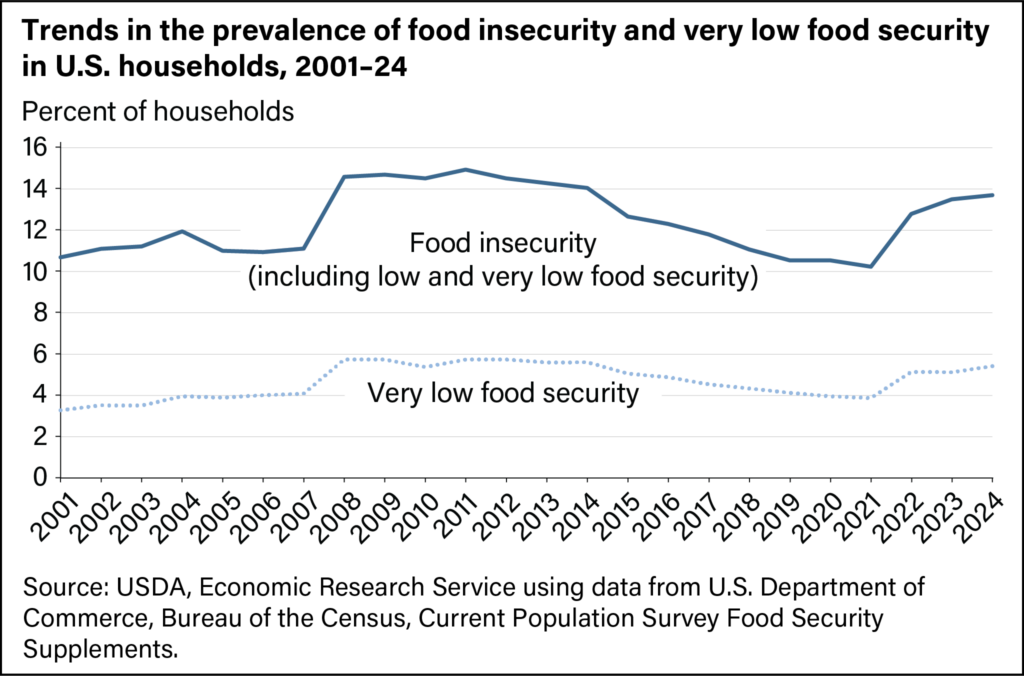
In North Carolina, a stark reality looms over nearly one in five children: hunger. This isn't just an abstract statistic; it's a daily struggle that directly impacts student well-being, manifesting in classroom distraction, emotional dysregulation, and social isolation. Educators are on the front lines, witnessing firsthand how the gnawing pangs of an empty stomach can derail a child's ability to learn and thrive, demanding innovative solutions that address not just academic needs, but fundamental human ones.
The Silent Toll of Empty Stomachs on Student Focus
Josh Wells, a community school coordinator at Owen Middle School in Buncombe County Schools, observes the immediate physiological consequences of hunger on his students. When a child is hungry, their body signals a primal need that overrides the desire to engage with algebra or analyze literature. This constant, internal distraction makes academic focus a near impossibility.
“You have a physiological response to being hungry in your body,” Wells explains. “As a young person, that’s going to be very distracting — they’re not going to be able to focus on what’s going on in the classroom.” This fundamental disruption means that even the most engaging lesson plans can fall flat when students are battling hunger.
“You have a physiological response to being hungry in your body. As a young person, that’s going to be very distracting — they’re not going to be able to focus on what’s going on in the classroom.”
The implications extend beyond mere inattention. Hunger can lead to decreased energy levels, making it difficult for students to participate actively in class discussions or physical activities. This can create a perception of disengagement, masking the underlying nutritional deficit.
Beyond Physiology: The Social Stigma of Food Insecurity
Wells also highlights the pervasive social stigma that often accompanies food insecurity. For students who rely on alternative meals due to school lunch debt or receive food donations, the experience can be isolating. This shame can prevent them from fully participating in the school community, creating an invisible barrier to their social and emotional well-being.
The fear of being singled out can lead to students avoiding social interactions or withdrawing from group activities. This social isolation, compounded by the physical discomfort of hunger, creates a complex web of challenges that educators must navigate.
This stigma is precisely why solutions like universal free school meals are gaining traction. When all students have access to the same nutritious meals, the distinction between those who can afford them and those who cannot disappears, fostering a more equitable and inclusive school environment.
The Mental Health Nexus: Hunger and Emotional Well-being
The connection between food insecurity and mental health is profound, as Meena Statz, a licensed clinical mental health counselor, elaborated. When a child's most basic need for food is unmet, their ability to regulate emotions and engage appropriately with their peers and environment can be severely compromised. This can lead to behaviors that are sometimes misinterpreted as learning disabilities or behavioral disorders.
“You see people who … maybe are misdiagnosed with ADHD or autism or Oppositional Defiant Disorder or anxiety because they are so hungry they’re not able to focus,” Statz notes. This highlights the critical need for a holistic approach to student well-being, recognizing that nutritional deficits can mimic or exacerbate mental health challenges.
Furthermore, the impact of childhood food insecurity can cast a long shadow into adulthood. Research suggests that individuals who experience hunger during their formative years are at a higher risk for developing mental health conditions such as depression and anxiety later in life. This underscores the importance of early intervention and support systems.
Generational Trauma and the Cycle of Food Insecurity
Statz also draws a crucial link between childhood food insecurity and the perpetuation of generational trauma. The anxieties and coping mechanisms developed around scarcity can be passed down through families, influencing eating habits, food purchasing decisions, and overall family well-being for generations.
This can manifest as ingrained fears of scarcity, leading to behaviors like food hoarding or restrictive eating patterns, even when financial stability is achieved. Understanding this cycle is vital for developing effective, long-term strategies to combat food insecurity and its lasting effects.
“Food is scarce, so we have a fear of not having enough food — and we have a lot of trauma around that, and so we’re hoarding food or maybe not eating as much.”
The Transformative Power of Universal Free School Meals
The implementation of universal free school meals offers a powerful antidote to the challenges posed by hunger and stigma. At Owen Middle School, even before universal free meals, staff worked diligently to shield students from the shame associated with receiving subsidized meals. However, the financial burden on families remained a significant concern.
Wells recalls the accumulating school lunch debt that families often struggled to manage. “That is an additional cost that our families really struggle with sometimes, whether it’s paying for the food at school or having to pack lunch,” he says. This financial pressure is a constant source of stress for many households.
The shift to offering free meals to all students through the Community Eligibility Provision has brought about a palpable sense of relief for both students and their caregivers. This policy change alleviates the financial strain on families, freeing up resources that can be directed towards other essential needs.
“Without having to stress about that … that allows for those adults to use some of those funds in ways they don’t have to worry about: ‘Do I pay the light bill or buy food?’” Wells observes. This financial breathing room can significantly improve a family's overall well-being and reduce stress levels.
Beyond the Cafeteria: Fostering Community Through Food
Owen Middle School's commitment to student and family well-being extends beyond the school day. Their "Gobble Til You Wobble" family dinners and weekly community nights provide free catered meals, games, music, and tutoring for families with K-12 students. These events are designed to build trust and create a welcoming atmosphere.
These gatherings serve as powerful catalysts for strengthening the school-family connection. By offering a relaxed, positive environment where families can connect with teachers and each other, the school becomes more than just an educational institution; it transforms into a community hub.
“By simply having some food, breaking bread together, and sitting next to each other — not asking our parents to do anything, just to come and be — we’ve absolutely seen that connection and that safety and that trust network build and build,” Wells shares. This emphasis on shared meals and relaxed interaction fosters a sense of belonging and mutual support.
Navigating Policy and Funding: The Road Ahead
The conversation around food insecurity in schools is increasingly intersecting with policy discussions. Nine states have already enacted permanent universal school meals, and many more, including North Carolina, are actively considering legislation. Governor Josh Stein's budget proposal includes provisions for universal breakfast, and state legislators have introduced bills for universal breakfast and lunch.
However, challenges remain, particularly concerning federal programs like the Supplemental Nutrition Assistance Program (SNAP). Proposed budget cuts and increased administrative cost-sharing for states could threaten access to food assistance for hundreds of thousands of North Carolinians, impacting their ability to afford nutritious meals, both at home and at school.
The state's commitment to supporting SNAP through funding is crucial in mitigating these potential cuts. Ensuring robust funding for these programs is a direct investment in the health and well-being of vulnerable populations and a vital step in breaking the cycle of insecurity.
Actionable Insights for Educators and Schools
The insights from Owen Middle School and experts like Josh Wells and Meena Statz offer tangible takeaways for educators and school administrators looking to address food insecurity and enhance student well-being:
- Advocate for Universal Free Meals: Support policies that make school breakfast and lunch free for all students to reduce stigma and ensure equitable access to nutrition.
- Foster Inclusive Environments: Create school cultures where discussions about food and nutrition are normalized and free from judgment.
- Build Community Partnerships: Collaborate with local organizations and families to provide resources and support beyond the classroom, such as community meals and food pantries.
- Integrate Social-Emotional Learning: Recognize that hunger can impact emotional regulation and incorporate SEL strategies that help students manage stress and build resilience.
- Leverage Technology for Engagement: Utilize tools that can help engage students, such as MentofyCove classroom games, to create positive learning experiences, even when addressing challenging topics.
- Streamline Planning and Assessment: Explore Mentofy AI teaching tools for efficient lesson planning and exam creation, freeing up valuable time to focus on student needs.
The fight against hunger in schools is not solely about providing meals; it's about nurturing the conditions for every student to learn, grow, and reach their full potential. By addressing the fundamental need for food, schools can unlock greater academic success and foster a more supportive and equitable environment for all.







 Explore AI Teaching Tools
Comments (0)
Please login to comment
No comments yet
Be the first to comment on this article