
The recent approval of new gas wells less than a mile from a daycare in Arlington, Texas, has ignited a critical debate about the proximity of industrial energy extraction to our youngest populations. This development isn't just a local issue; it’s a stark reminder for educators and policymakers nationwide about the potential health and environmental risks that can encroach upon educational spaces, forcing a re-evaluation of what constitutes a safe learning environment for children.
Arlington's New Wells Raise Alarms for Young Children
In East Arlington, Texas, the hum of drilling has become an unwelcome soundtrack to childhood. French oil and gas company TotalEnergies secured a permit in January 2025 to install 10 new gas wells, a move that marks the first such approval by the Arlington City Council in over a decade. This project, named Maverick, is situated in an area with a high concentration of Black and Latinx residents, and critically, it lies less than a mile from Mother’s Heart Learning Center, a daycare facility.
The proximity of these new wells, joining five others already on the site owned by the same company since 2008, has raised significant concerns among residents and health experts. The process of hydraulic fracturing, or fracking, involves injecting pressurized water, sand, and chemicals into bedrock to extract gas. While lauded by some Texas policymakers for its economic contributions, generating billions in state tax revenue, it has increasingly drawn criticism for its potential adverse health effects, particularly on vulnerable populations like children.
“We saw health impacts in children extended out to two miles from the pad.”
This statistic, shared by a health scientist who has studied oil and gas development, underscores the extended radius of potential concern, highlighting that children's susceptibility can extend further than that of adults. The implications for a daycare center, where children spend a significant portion of their day, are profound and demand immediate attention from educators and community leaders.
The Unseen Impact: Health Concerns Linked to Fracking
The debate surrounding fracking is not merely about economic benefits; it's increasingly centered on the potential health repercussions for communities living nearby. Experts point to a growing body of research suggesting links between fracking operations and a range of severe health conditions. These include preterm births, congenital anomalies, lung diseases, and even childhood cancers, raising serious questions about the long-term well-being of children exposed to these environments.
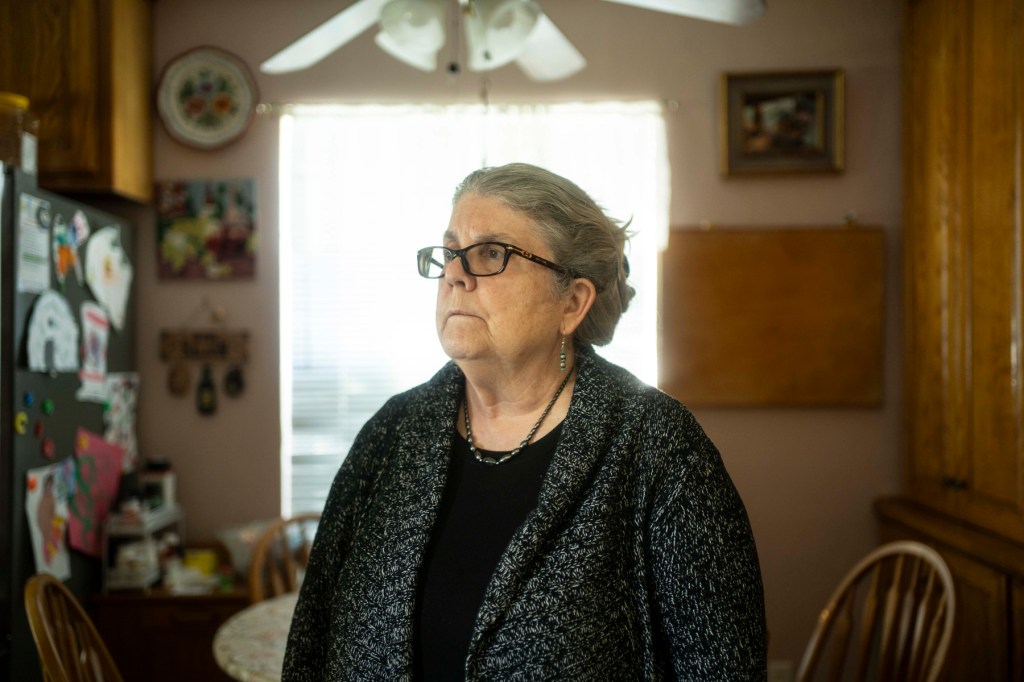
Ingrid Kelley, a resident of East Arlington, voices the anxieties of many. Her 4-year-old grandson, who attends Mother’s Heart Learning Center, was born with congenital heart disease and has recently required nebulizer treatments, a concern she attributes to the nearby gas wells. The lingering sulfurous scent in her neighborhood is a constant reminder of the industrial activity, prompting her to keep her windows shut, fearing contaminated air.
Edgar Bunton, another Arlington resident, shares similar worries. Living less than 600 feet from over a dozen wells, he has observed his wife experiencing frequent migraines and his grandchildren developing respiratory complications, which he directly links to the proximity of the gas wells. These personal accounts paint a vivid picture of the tangible anxieties faced by families in these areas.
Meagan Weisner, a senior health scientist, emphasizes that these are cumulative risk issues. "This is not just one chemical at a time people are being exposed to," she explains. "This is dozens of chemicals coming from more than just one site because they're already near other wells." The constant emissions during drilling and post-production phases can pose significant risks, and children, due to their developing bodies, are uniquely susceptible to these environmental stressors.
Educators' Role in Advocating for Safe Learning Environments
The presence of industrial operations like fracking near schools and daycares presents a unique challenge for educators. Beyond their core mission of imparting knowledge, teachers and administrators are increasingly finding themselves at the forefront of advocating for healthier and safer environments for the children in their care. This necessitates a proactive approach to understanding local environmental issues and engaging with community stakeholders.
For educators, understanding the potential health risks associated with industrial activities is the first step. This knowledge empowers them to engage in informed discussions with parents, school boards, and local government officials. The goal is to ensure that decisions regarding land use and industrial permits prioritize the well-being of children and the broader community.
In Texas, where energy extraction is a significant part of the economy, the challenge is particularly acute. The Arlington City Council's decision to approve new wells near a daycare highlights the complex balance between economic development and public health. Educators can play a crucial role in bringing the voices of parents and children to these decision-making tables, advocating for stricter regulations and greater transparency from energy companies.
Tools and resources that help educators engage students in learning about environmental science and civic responsibility can also be invaluable. Interactive platforms and educational games can foster a deeper understanding of complex issues like fracking and its potential impacts, empowering the next generation to become informed advocates for their communities. For instance, using MentofyCove classroom games can make learning about environmental science engaging and memorable.
Navigating the Regulatory Landscape
The City of Arlington stated that the drill site met the required 600-foot spacing from protected uses, as outlined in their ordinance. However, for many residents, this distance does not alleviate their concerns about potential health impacts. This highlights a critical point for educators: understanding the existing regulations is important, but so is advocating for their strengthening when evidence suggests they are insufficient to protect vulnerable populations.
Educators can utilize their platforms to disseminate information about environmental health risks and advocate for policies that create buffer zones between industrial sites and places where children learn and play. This might involve supporting local grassroots organizations like Liveable Arlington, which has been instrumental in raising awareness and advocating for stricter fracking regulations.
Empowering Parents and Communities
The stories of Ingrid Kelley and Edgar Bunton underscore the emotional and physical toll that living near fracking sites can take on families. Educators can serve as a bridge, connecting concerned parents with resources and support networks. Facilitating workshops on environmental health or providing information about local advocacy groups can empower parents to voice their concerns effectively.
Furthermore, fostering a sense of community resilience is vital. This can involve organizing events that bring families together to discuss shared concerns and collective action strategies. By creating a supportive environment, educators can help families navigate the challenges posed by industrial development and advocate for a healthier future for their children.
The Broader Implications for Educational Spaces
The situation in Arlington, Texas, is not an isolated incident. Across the country, similar tensions arise where industrial development intersects with residential areas and educational institutions. This underscores the need for a nationwide conversation about safeguarding the health and well-being of children within their learning environments, regardless of their geographical location or the local economic landscape.
For educators, this means being vigilant about the environmental factors that could impact their students. This includes air quality, noise pollution, and potential exposure to hazardous materials. Integrating lessons on environmental stewardship and public health into the curriculum can equip students with the knowledge and critical thinking skills needed to understand and address these issues.
The use of advanced educational tools can also play a role in enhancing the learning experience and fostering engagement with these critical topics. Platforms offering Mentofy AI lesson plan tools can help educators develop curriculum modules that explore environmental science, civic engagement, and public health in a comprehensive and engaging manner. These tools can also assist in creating assessments to gauge student understanding.
Addressing Environmental Justice Concerns
Ranjana Bhandari, founder of Liveable Arlington, points out a critical aspect of this issue: environmental justice. She notes that the burdens of fracking are disproportionately borne by communities of color, creating "sacrifice zones" where polluters can operate with fewer restrictions. This highlights the intersection of environmental concerns with social equity, a crucial consideration for educators aiming to foster inclusive and just learning environments.
Educators have a responsibility to address these disparities within their classrooms. By teaching about environmental justice, they can help students understand how industrial policies can have unequal impacts on different communities. This awareness is essential for cultivating a generation of citizens who are committed to creating a more equitable and sustainable future for all.
The Role of Technology in Monitoring and Advocacy
While the focus in Arlington has been on direct health impacts, technology offers avenues for monitoring and advocacy. Citizen science initiatives, utilizing apps and sensors to track air quality or noise levels, can provide valuable data to support community concerns. Schools could potentially integrate such projects into their science curricula, offering hands-on learning experiences while contributing to local environmental monitoring efforts.
Tools like MentofyBoards, with their interactive display widgets such as noise monitors and timers, can also be integrated into school environments to foster awareness about environmental conditions within the school itself. This can serve as a starting point for broader discussions about environmental health in the community. Furthermore, AI-powered tools for lesson planning and AI grading can free up educators' time, allowing them to focus more on community engagement and advocacy efforts.
Looking Ahead: Prioritizing Children's Well-being
The expansion of gas wells near a daycare in Arlington, Texas, serves as a potent case study for the complex challenges at the intersection of industry, community, and education. It underscores the urgent need to prioritize the health and safety of children, particularly in environments where industrial activities pose potential risks. For educators, this means embracing a broader role as advocates for healthy learning spaces and informed community members.
The conversation must move beyond mere compliance with existing regulations to a more robust framework that proactively protects vulnerable populations. This requires collaboration between educators, parents, community leaders, and policymakers to ensure that economic development does not come at the expense of children's well-being. The future of our children depends on creating environments where they can thrive, free from unnecessary environmental hazards.
As we continue to navigate the evolving landscape of energy production and its impact on communities, the lessons learned from Arlington are invaluable. They call for a renewed commitment to environmental stewardship and a steadfast dedication to ensuring that every child has access to a safe and healthy place to learn and grow. Resources like Mentofy is free for teachers can help educators access tools that support their work in and out of the classroom, allowing them to dedicate more energy to these critical advocacy efforts.




 Explore AI Teaching Tools
Comments (0)
Please login to comment
No comments yet
Be the first to comment on this article