
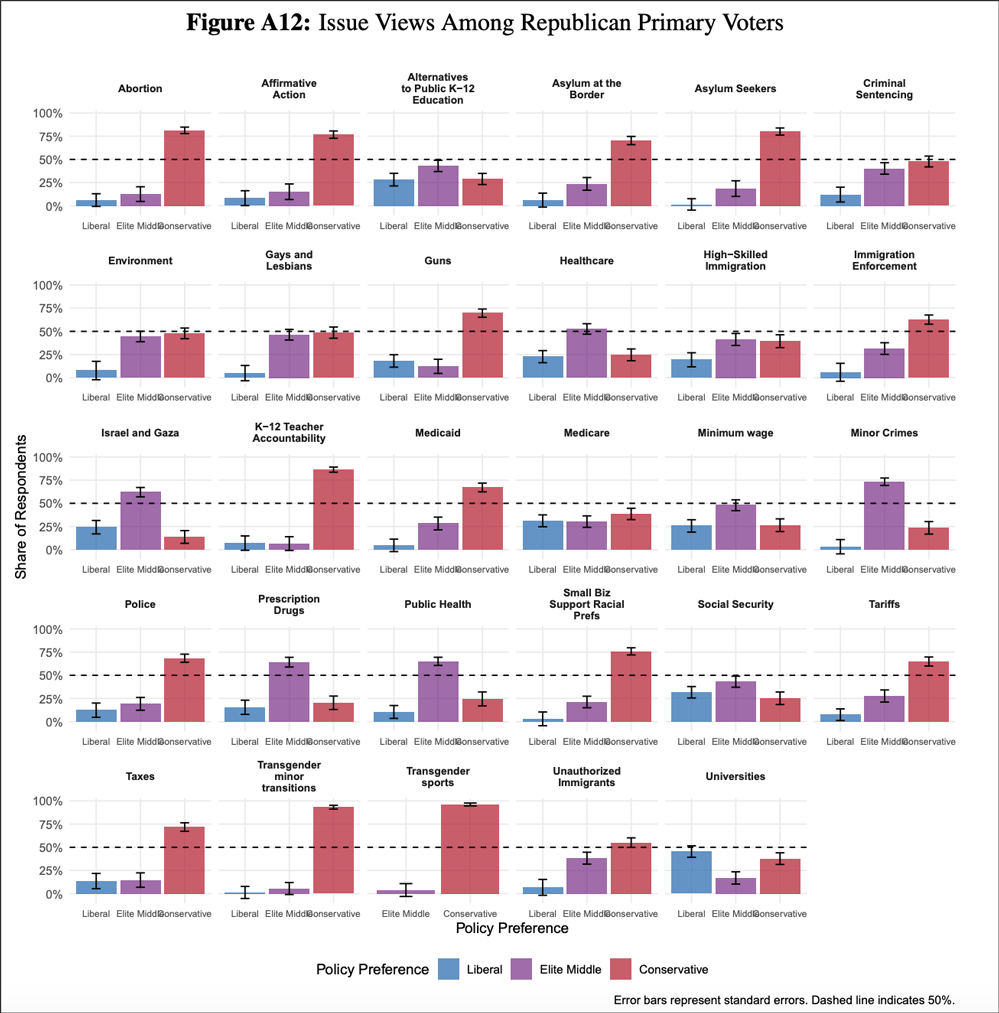
In a political landscape often dominated by cultural flashpoints, a surprising policy proposal is emerging as a powerful electoral force: paying teachers based on performance. This isn't just an abstract academic debate; it's a stance that significantly influences voter perception, even more so than hot-button issues like immigration or energy policy. For educators, this presents both a challenge and an opportunity to advocate for a system that recognizes and rewards excellence, potentially reshaping the teaching profession for the better.
Voters Are Ready for a Teacher Pay Overhaul
Recent research by David Broockman and Josh Kalla reveals a striking truth about public opinion: the idea of performance-based pay for teachers is remarkably popular. While many policy discussions become mired in partisan divides, this concept finds broad appeal across the political spectrum. It suggests a public hunger for a more effective and equitable approach to compensating those who shape our future.
The study tested different positions on teacher compensation, finding that a "centrist" approach—where better teachers are paid more, while still maintaining job protections—resonates deeply with voters. This pragmatic stance, which acknowledges the importance of rewarding skill without discarding essential job security, appears to be a sweet spot that politicians can leverage for significant electoral gain.
Over 60% of voters agree with the stated conservative position that better teachers should get paid more and worse teachers can be easily fired or get paid less. This indicates a strong public mandate for a system that values merit.
This finding is particularly significant because it challenges conventional wisdom in political strategy. While Democrats often benefit from moving to the center on cultural issues, this research suggests that on teacher compensation, a more direct, merit-based approach is not only popular but can be a powerful differentiator. It’s a clear signal that voters are looking for tangible improvements in their education system.
The Merits of Rewarding Teacher Excellence
The current system, which often prioritizes seniority over demonstrated skill, is increasingly being questioned. While experience is valuable, it doesn't always correlate with effectiveness in the classroom. The public’s desire for performance-based pay stems from a fundamental belief that those who excel should be recognized and rewarded, a principle that applies to nearly every other profession.
The challenge lies in designing systems that accurately and fairly measure teacher performance. Simply rewarding teachers whose students score highest on standardized tests can incentivize teaching to the test or focusing only on easier student populations. Likewise, rewarding popularity can distract from the core mission of rigorous academic instruction.
However, the absence of a perfect system shouldn't preclude progress. The evidence suggests that even imperfect performance-pay programs are unlikely to backfire, and many show positive impacts. The debate, therefore, is not whether to implement performance pay, but how to do it effectively.
A meta-analysis of teacher merit pay systems found that the effect on student test scores is positive and statistically significant, with an average effect size of 0.043 standard deviations.
Effective implementation often involves a combination of metrics, including student growth, classroom observations, and peer feedback. Systems that offer additional incentives for teachers to work in high-needs schools, like the one in Dallas, demonstrate a promising approach to addressing equity alongside performance. These nuanced systems aim to capture the multifaceted nature of great teaching.
Navigating the Union Landscape
The role of teachers' unions in this conversation is undeniable. Historically, unions have advocated for seniority-based pay and robust job protections. However, the Broockman and Kalla research suggests that the public's desire for performance pay is so strong that it can transcend traditional union-management divides.
A Democrat who champions paying the best teachers more can appeal to a broad base of voters, including those within the party's primary electorate, who largely support this merit-based approach. This is a stark contrast to other issues where moving to the center might alienate core supporters.
The key for politicians and educators alike is to frame this not as an anti-teacher or anti-union stance, but as a pro-excellence, pro-student policy. The message should be clear: we value our teachers and want to ensure the most effective ones remain in the profession, not simply reward longevity.
Actionable Steps for Educators
For teachers and administrators, this groundswell of public support offers a unique opportunity to advocate for meaningful change. Here are some ways to engage with this evolving conversation:
- Educate Yourself: Understand the research on performance pay and its potential benefits and challenges. Familiarize yourself with different evaluation models.
- Engage in Dialogue: Discuss these ideas with colleagues, parents, and community members. Share success stories and highlight the need for a system that recognizes excellence.
- Advocate for Nuanced Systems: When performance pay is discussed, push for models that go beyond simple test scores, incorporating classroom observations, student feedback, and professional development.
- Leverage AI Tools: Explore how tools like Mentofy AI teaching tools can assist in creating diverse assessments and providing data for performance evaluation, making the process more efficient and objective.
- Highlight Impact: Showcase how effective teachers make a difference, not just in test scores, but in fostering critical thinking, creativity, and a lifelong love of learning.
The public is signaling a clear preference for a system that rewards teaching excellence. By embracing this mandate and working towards well-designed performance-based compensation, we can make a significant positive impact on the teaching profession and, most importantly, on student outcomes. This is not just about politics; it's about building a stronger, more effective education system for everyone.






 Explore AI Teaching Tools
Comments (0)
Please login to comment
No comments yet
Be the first to comment on this article