
The U.S. Supreme Court’s recent oral arguments regarding birthright citizenship have sent ripples of concern through the education sector. If the court sides with the government's interpretation, thousands of children could be rendered stateless, creating profound implications for their access to education and their very identity within the United States. This looming legal uncertainty demands that educators be prepared for potential shifts in student demographics and the fundamental rights those students possess.
Justices Grapple with the Meaning of "Subject to the Jurisdiction"
During the Supreme Court’s hearing, the central question revolved around the interpretation of the 14th Amendment’s phrase "subject to the jurisdiction thereof." This clause, ratified after the Civil War to ensure citizenship for formerly enslaved people, is now at the heart of a debate that could redefine who is an American citizen by birth.
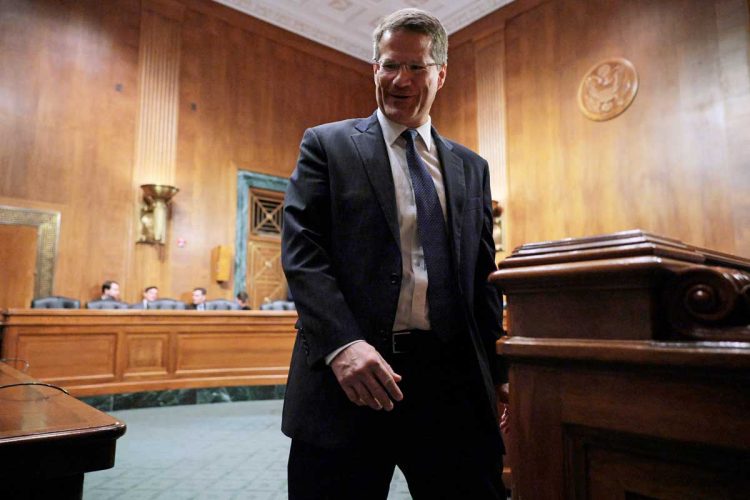
Solicitor General D. John Sauer, representing the government, argued that the amendment was not intended to grant citizenship to children of temporary visitors or those residing in the U.S. without legal status. He contended that a lawful domicile, signifying a permanent home, is a prerequisite for the allegiance required by the amendment, a concept that those without legal standing cannot establish.
"Unrestricted birthright citizenship contradicts the practice of the overwhelming majority of modern nations. It demeans the priceless and profound gift of American citizenship."
However, several justices appeared unconvinced, posing sharp questions that highlighted potential inconsistencies in the government's position. Chief Justice John Roberts, in particular, pressed Sauer on the historical intent and practical implications of such a reinterpretation.
The case, which President Donald Trump attended in an unprecedented move, centers on an executive order that would deny citizenship to children born in the U.S. to parents who are undocumented immigrants or temporary visa holders. This order, if upheld, could disenfranchise a significant population of children, creating immense challenges for schools and communities across the nation.
The 14th Amendment: A Bulwark Against Shifting Political Winds
Cecilia Wang, the ACLU’s national legal director, presented a passionate defense of birthright citizenship, emphasizing its foundational role in American identity. She argued that the 14th Amendment established a clear, unwavering rule designed to be beyond the reach of political manipulation.
Wang underscored that the amendment’s language, particularly the phrase "subject to the jurisdiction thereof," was meticulously crafted to include nearly all individuals born within U.S. borders, with only rare exceptions like children of foreign diplomats. This interpretation has been consistently upheld by legal precedent, including the landmark 1898 Supreme Court case United States v. Wong Kim Ark.
The government's argument, Wang countered, would plunge the country into chaos, potentially rendering millions of Americans stateless and casting doubt on the citizenship of generations. She stressed that the original intent of the amendment was to foster growth and ensure a robust citizenry, not to create barriers based on parental immigration status.
Justice Samuel Alito raised a point about specific exceptions, such as children of ambassadors, asking why the amendment's framers didn't explicitly list all such exclusions if they intended a narrower definition of citizenship.
Wang’s response reiterated that the "subject to the jurisdiction" clause inherently covers these exceptions, encompassing all those who owe allegiance to the United States by virtue of their birth on its soil.
The Ripple Effect on Education and Student Well-being
The potential erosion of birthright citizenship carries profound implications for the education system. Educators are already grappling with the challenges posed by a diverse student population, and this legal uncertainty could exacerbate existing issues and create new ones.
A 2024 survey of 1,200 K–12 educators revealed that nearly 70% expressed concern about how a change to birthright citizenship laws would impact their students and school communities. Many fear increased anxiety among children and families, potential disruptions to enrollment, and added burdens on school staff to navigate complex legal statuses.
The debate over birthright citizenship is occurring concurrently with efforts to challenge the right to education for undocumented students, as established in Plyler v. Doe. This confluence of legal challenges raises alarms about creating a permanent underclass of children with uncertain futures and limited access to fundamental rights.
Alejandra Vázquez Baur, a fellow at The Century Foundation, described the potential consequences as a "disaster" for families and a "nightmare" for hospitals, forcing them to prove citizenship for newborns to secure basic human rights. She emphasized that undermining birthright citizenship and the right to education is "fundamentally immoral, unconstitutional, anti-child and un-American."
The prospect of rendering children stateless is a grave concern. The United Nations estimated in 2019 that over 4.2 million people worldwide were stateless, a number widely believed to be significantly higher. Stateless individuals face severe limitations in accessing healthcare, employment, and education, and are often denied basic protections.
Preparing for Uncertainty: Strategies for Educators
In the face of this looming legal challenge, educators must equip themselves with knowledge and resources to support their students. Proactive engagement with legal rights and community resources can help mitigate the potential negative impacts.
Here are key strategies for educators to consider:
- Stay Informed: Continuously monitor legal developments and official statements regarding birthright citizenship and immigration policies. Understanding the nuances of the law is crucial for accurate communication and support.
- Foster a Welcoming Environment: Reinforce classroom inclusivity and belonging for all students, regardless of their background or perceived legal status. Creating a safe space is paramount for student well-being and academic success.
- Leverage Community Resources: Partner with local immigrant rights organizations, legal aid societies, and social service agencies. These groups can provide essential information, legal assistance, and support for families navigating complex situations.
- Educate on Civics and Rights: Integrate discussions about the 14th Amendment, citizenship, and fundamental rights into the curriculum. Understanding these concepts empowers students and promotes informed civic engagement. Consider using MentofyCove classroom games to make learning about civics engaging and interactive.
- Utilize AI for Lesson Planning: To streamline the process of creating relevant and timely lessons, explore tools like Mentofy AI teaching tools. These can help generate lesson plans on topics like civics, constitutional rights, and the importance of citizenship, ensuring students receive accurate and comprehensive education.
The government's argument that birthright citizenship acts as a "powerful pull factor for illegal immigration" and fuels "birth tourism" was also presented. However, the solicitor general could not provide concrete figures on the number of women who travel to the U.S. specifically to give birth.
The justices also probed the definition of "domicile" in the context of the 14th Amendment. Justice Alito questioned whether individuals subject to arrest and removal could truly establish domicile, while also acknowledging the humanitarian aspect of those who have lived in the U.S. for years and established roots.
The Supreme Court is expected to deliver its decision in late June or early July. Regardless of the outcome, the debate itself serves as a critical civics lesson for a generation, highlighting the enduring importance of citizenship and the fundamental rights that define our nation.
The potential ramifications for students and the broader society are immense. As educators, our role is to foster understanding, provide support, and ensure that all students, regardless of the legal complexities that may arise, feel valued and have access to the educational opportunities they deserve. This moment underscores the vital importance of advocating for policies that uphold the dignity and rights of every child within the United States.






 Explore AI Teaching Tools
Comments (0)
Please login to comment
No comments yet
Be the first to comment on this article