
Cracking the Code: Why Feeling Safe to Be "Real" is the Secret Weapon for Boys in School
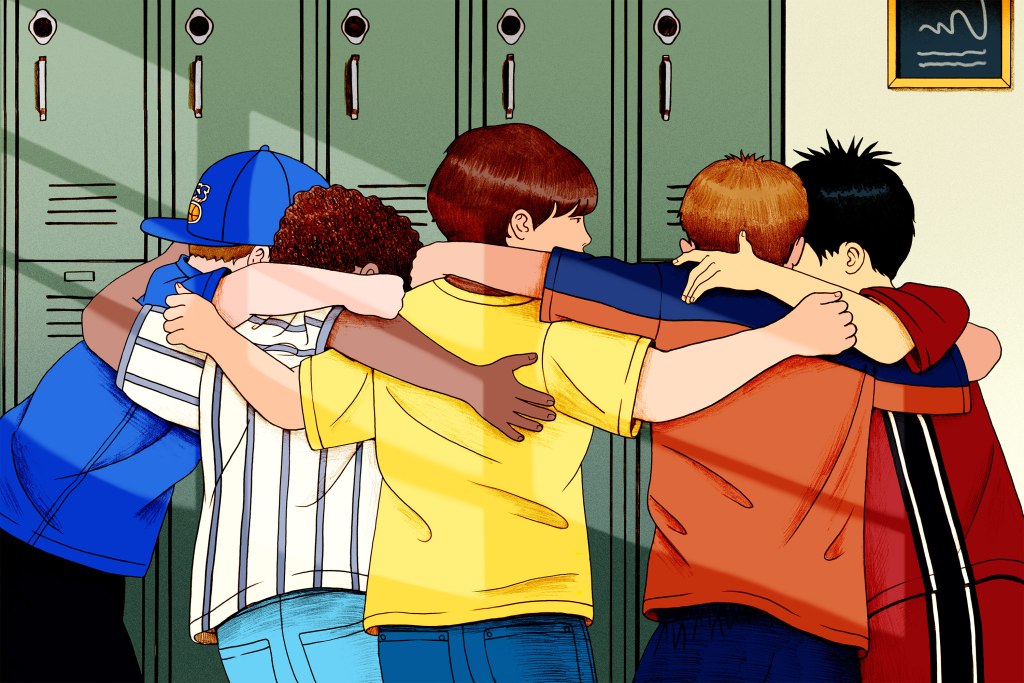
A quiet hum of nervous energy fills a middle school classroom in East Oakland. Desks are pushed into a loose circle, a deliberate setup for a morning advisory session. The prompt hangs in the air: "Share something most people don't know about you." For a group of middle school boys, this simple invitation to vulnerability is a radical act, a crucial step in fostering a sense of belonging that educational experts suggest is vital for their academic success.
The Unspoken Struggle: Boys and Belonging
It's a stark reality: boys are more likely to repeat kindergarten, fall behind in reading and writing, and less likely to graduate high school. This academic lag isn't just about curriculum; it's deeply intertwined with their sense of self within the school environment. Many boys internalize early messages that they aren't "good students," leading to a profound disconnect by the time they reach high school.
Professor Ioakim Boutakidis from California State University, Fullerton, highlights this critical issue. "Something happens over time so by the time they get to high school, boys don’t feel like they belong in academic settings," he explains. This erosion of academic belonging directly impacts their belief in their own potential for success.
Oakland Unity's Bold Approach: Cultivating a "Radical Positivity"
At Oakland Unity Middle School, a public charter school serving a diverse and socioeconomically challenged community, a unique program is actively working to reverse this trend. The "Ever Forward" initiative, founded by educator Ashanti Branch, is built on a philosophy of "radical positivity." Its core mission is to normalize male vulnerability and create spaces where boys can be their authentic selves, rather than conforming to perceived expectations.
This approach is more than just a feel-good exercise. Experts emphasize that while social-emotional support alone won't magically boost grades, fostering a sense of belonging is a powerful catalyst for closing the academic gender gap. Warmth and connection are paramount for boys, even if they don't always express these needs in ways adults might expect.
The "Trust Circles" That Build Community
The daily advisory sessions at Oakland Unity are designed to set a tone of mutual support. During these "trust circles," students are encouraged to share personal insights, fostering a sense of community where they can rely on each other. This isn't about forcing confessions, but about creating an environment where students feel safe to be open.
When a boy shares a personal struggle, like needing help with assignments, his classmates offer advice and encouragement. This peer-to-peer support is where real growth happens, according to humanities teacher and assistant principal Austin Razavi. "Growth happens through risk," he states. "That’s where kids feel like they’re in community and an indicator of kids feeling a sense of belonging."
Beyond the Classroom Walls: Understanding Male Behavior
Connecting with boys, especially adolescents, can be a complex dance for teachers. Professor Matt Englar-Carlson of Cal State Fullerton points out that what might appear as disrespect or disengagement is often a performance for peers. "When you think what’s happening is disrespect in the classroom, the reality is that it typically isn’t, because they’re not performing for you," he clarifies. "They’re performing for their peers around them."
Understanding this dynamic allows teachers to adapt their strategies. Instead of public reprimands, a quiet, private conversation at the student's level can be far more effective. This approach respects the boy's need to maintain face with his peers while still addressing the issue directly.
Ashanti Branch's Journey: From Engineer to Educator
Ashanti Branch's own experiences shaped his understanding of the challenges faced by male students. After a career as a civil engineer, he transitioned to teaching, where he quickly recognized the unmet needs of his male students. He observed bright young men struggling with emotional regulation and expressing frustration in ways that disrupted the classroom.
Branch realized that simply telling students to leave their problems at the door was an inauthentic approach. He began to share his own experiences with students, normalizing vulnerability and building deeper connections. This led to the creation of the Ever Forward Club, a space for young men to process their emotions and build resilience.
The "Masks, Emotions, and Math" Framework
A cornerstone of Branch's work is a project-based tool he calls "Masks, Emotions, and Math." Through workshops, he guides young men to explore the personas they present to the world and the hidden emotions they often conceal. This process encourages self-awareness and emotional literacy.
The impact of this program is significant. Since its inception, every participating student has graduated from high school, with 93 percent transitioning to college, military service, or trade school. Branch has since expanded this work to professional development for educators through the "Million Mask Movement."
A Ripple Effect in Oakland Schools
The influence of Branch's work has reached schools like Oakland Unity Middle School. Teachers have integrated elements of his approach into their daily practices, including how they handle disciplinary issues. The implementation of single-sex advisory periods is one such adaptation, providing boys with a dedicated space to open up.
Eighth grader Adrian Polanco feels this sense of security at Oakland Unity. "I feel like this school is kind of my second home," he shares. "We always have someone we can look up to, who has our back, which I think is really good and really important for school to have."
Building Trust, One Conversation at a Time
The impact of this focus on belonging is evident in student testimonials. Fierre Hill, a seventh grader, describes the support from his teachers as "warming." "You’re able to tell them stuff that you couldn’t tell other people," he says, "and they just have this different energy that makes you comfortable."
Jubran Sulaiman, another seventh grader, agrees. "We can all, what’s the word? Express ourselves." This freedom to express oneself is a powerful indicator of a positive school climate.
The Learning Lab: A Sanctuary for Growth
In the school's Learning Lab, students receive targeted academic support. Teacher Chris Bibbens Williams notes how the "Masks, Emotions, and Math" event empowered even shy students to engage more deeply with their peers. The positive atmosphere created a safe space for them to voice their feelings.
Williams embodies the school's commitment to building relationships. He can often be found playing basketball with students or simply hanging out in the cafeteria, fostering connections that extend beyond formal instruction. This approach allows him to identify and address individual student needs, like a student struggling with reading confidence.
By sitting with the student and patiently guiding him through a passage, Williams helped unlock a newfound confidence. This small act of support, rooted in understanding and encouragement, demonstrates the profound impact of creating an environment where every student, especially boys, feels seen, heard, and safe to be themselves.






 Explore AI Teaching Tools
Comments (0)
Please login to comment
No comments yet
Be the first to comment on this article