
Navigating Student Civil Rights: A Shifting Landscape in Educational Justice
The pursuit of equitable education is a cornerstone of a just society, ensuring every student, regardless of background or circumstance, has the opportunity to thrive.However, the mechanisms and priorities for protecting these fundamental civil rights within our educational institutions can evolve, influenced by various factors.
This article delves into the critical aspects of safeguarding student civil rights, exploring how governmental departments and legal frameworks impact the daily realities of schools and the students they serve.
We will examine the vital role of justice departments, the complexities of civil rights enforcement, and the implications of shifting administrative priorities on educational equity.
The Crucial Role of the Justice Department in Educational Civil Rights
The Department of Justice, particularly its Civil Rights Division, plays a pivotal role in upholding the legal protections afforded to students.This division is tasked with investigating and addressing systemic issues that infringe upon civil liberties within educational settings.
Historically, their work has spanned a broad spectrum, from combating racial discrimination and sexual harassment to ensuring adequate services for English language learners and addressing the harmful practices of restraint and seclusion.
Investigating and Rectifying Educational Injustices
The department's interventions are often triggered by complaints or its own proactive investigations into alleged violations of federal civil rights laws.When a school district or educational institution is found to be in violation, the Justice Department can pursue various remedies, including investigations, lawsuits, and settlement agreements.
These agreements often mandate specific corrective actions, training, and ongoing monitoring to ensure lasting change.
The goal is not merely punitive but to foster environments where all students feel safe, respected, and have equal access to educational opportunities.
The impact of these investigations can be profound, leading to significant policy changes at the district and even state levels, as demonstrated by cases that have spurred legislative action to ban harmful practices.
The Power of Federal Intervention
The authority vested in the Justice Department provides a critical backstop for civil rights protections.When local or state efforts fall short, federal intervention can bring necessary resources, expertise, and legal weight to bear.
This is particularly important in cases involving vulnerable student populations, such as those with disabilities or from marginalized racial and ethnic groups, who may lack the individual power to effect change on their own.
The department's ability to conduct thorough investigations and negotiate comprehensive settlements can lead to systemic improvements that benefit entire student bodies.
Understanding Key Civil Rights Issues in Schools
Protecting students' civil rights in schools encompasses a wide array of issues, each requiring careful attention and robust enforcement.These issues often intersect, creating complex challenges for educators, policymakers, and legal advocates.
Addressing Restraint and Seclusion Practices
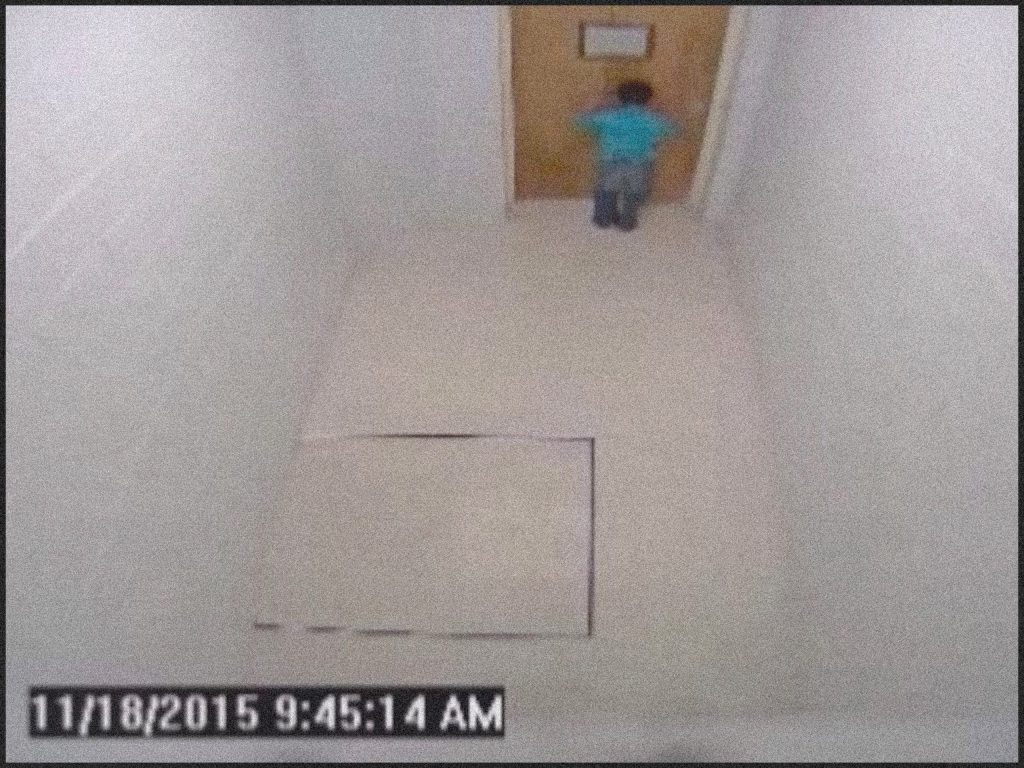
One significant area of concern involves the use of physical restraint and seclusion on students, particularly those with disabilities.Studies indicate that these practices, often employed as disciplinary measures, can have severe psychological and physical consequences.
The involuntary isolation of a child, especially in a small, confined space, can be deeply traumatizing.
Investigations by the Justice Department have revealed instances where these practices were used excessively and inappropriately, leading to widespread harm.
The advocacy for banning or severely restricting such methods highlights a critical civil rights battleground, aiming to ensure that disciplinary actions are humane and do not violate a student's right to safety and dignity.
Combating Discrimination and Harassment
Racial discrimination and harassment remain persistent challenges in many school districts.Students from minority groups may face prejudice, slurs, and unequal treatment, creating a hostile learning environment.
The Justice Department has a long history of investigating and litigating cases of racial discrimination, seeking to ensure that all students are treated fairly and equitably.
This includes addressing issues like discriminatory disciplinary practices, biased curriculum, and a lack of adequate support for students facing harassment.
Ensuring Equal Access for All Learners
Civil rights in education also extend to ensuring that all students have access to a quality education, regardless of their background or learning needs.This includes providing appropriate services for English language learners, students with disabilities, and other groups that may face barriers to learning.
When schools fail to provide necessary accommodations or support, it can constitute a violation of civil rights, hindering a student's ability to succeed.
The Impact of Shifting Administrative Priorities on Civil Rights Enforcement
The enforcement of civil rights protections within educational institutions is not static; it can be influenced by the prevailing political climate and the priorities of the administration in power.Changes in leadership can lead to shifts in how federal agencies, such as the Department of Justice, approach their mandate to protect students.
Changes in Enforcement Focus
Research indicates that different administrations may prioritize different types of civil rights issues.While some administrations focus on broad protections for vulnerable groups, others may shift their focus to address concerns that align with their specific political or ideological agendas.
This can lead to a reallocation of resources, a change in the types of investigations undertaken, and a different approach to enforcement.
For example, a department might pivot from investigating systemic discrimination against minority students to focusing on issues like antisemitism or policies related to gender identity.
Staffing and Resource Allocation
The effectiveness of any government department is heavily reliant on its staffing and resources.Shifts in administrative priorities can directly impact these elements.
Significant staff resignations, layoffs, or a redirection of personnel can dramatically reduce an agency's capacity to conduct thorough investigations and pursue remedies.
When the number of experienced lawyers and investigators dwindles, the pace of investigations can slow, and the ability to monitor compliance with existing agreements may be compromised.
This can leave students vulnerable and undermine the progress made in protecting their civil rights.
The Pace and Nature of Investigations
Studies suggest that under certain administrations, the pace of investigations may accelerate, potentially leading to quicker conclusions but also raising questions about the thoroughness of the process.Conversely, a reduction in staff and resources can lead to prolonged investigations, leaving issues unresolved for extended periods.
The nature of these investigations can also change, with some critics suggesting that certain outcomes may be predetermined, rather than arising from a comprehensive and impartial review of evidence.
This can erode trust in the civil rights enforcement process.
Navigating the Future of Student Civil Rights Protection
The landscape of student civil rights is dynamic, requiring continuous vigilance and adaptation.Understanding the mechanisms of protection and the potential for shifts in enforcement is crucial for educators, parents, and students alike.
The Importance of Advocacy and Awareness
For advocates on the ground, understanding the current climate and the specific avenues for recourse is paramount.When federal enforcement priorities shift, the role of non-profit organizations, legal aid societies, and community advocates becomes even more critical.
These groups often fill the gaps left by reduced government capacity, continuing to champion the rights of students through litigation, policy reform, and public awareness campaigns.
The Enduring Need for Robust Oversight
Regardless of administrative changes, the fundamental need for robust oversight of educational institutions remains.This oversight ensures that schools are held accountable for providing safe, equitable, and inclusive learning environments for all students.
The Justice Department's historical role in this regard has been invaluable, and any diminishment of its capacity to fulfill this role has significant implications for the future of educational justice.
Lessons Learned and the Path Forward
The experiences of school districts and advocacy groups highlight the profound impact that federal actions can have on student civil rights.The ability of the Justice Department to investigate, litigate, and monitor compliance is a powerful tool for ensuring that educational institutions adhere to the highest standards of fairness and equity.
While priorities may shift, the core mission of protecting every student's civil rights must remain a constant.
The ongoing dialogue about these issues is essential for fostering a learning environment where every child has the opportunity to reach their full potential, free from discrimination and injustice.
Conclusion
The protection of students' civil rights within the educational system is a complex and evolving challenge.The Department of Justice, through its Civil Rights Division, has historically played a vital role in investigating and rectifying injustices, from addressing harmful restraint and seclusion practices to combating racial discrimination.
However, shifts in administrative priorities can significantly alter the focus, pace, and effectiveness of these enforcement efforts.
Understanding these dynamics, advocating for robust oversight, and supporting the work of dedicated civil rights organizations are crucial steps in ensuring that all students receive the equitable and just education they deserve.
The journey towards educational equity requires constant attention and a commitment to upholding the fundamental rights of every learner within every school district.







 Explore AI Teaching Tools
Comments (0)
Please login to comment
No comments yet
Be the first to comment on this article