
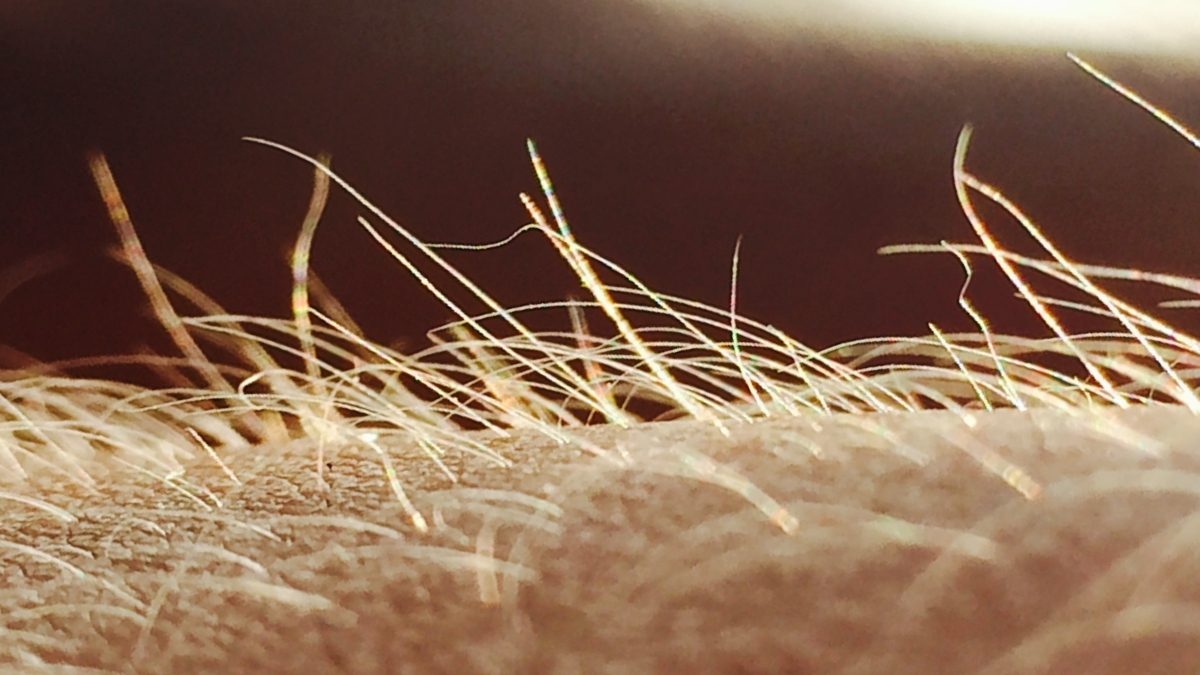
That persistent, infuriating itch—the one that sends a jolt of primal need through your nervous system, demanding immediate relief—might be more complex than we ever imagined. New research suggests the sensation of itching isn't just a random signal from our skin, but potentially orchestrated by a dedicated sensory organ. For educators, understanding the deep-seated biological drivers of student engagement, distraction, and even discomfort can unlock more effective teaching strategies.
The Elusive Itch: A Biological Mystery Unravelled
For decades, the science behind itching has been a puzzle. We know it's a protective mechanism, a signal that something is irritating our skin, from a mosquito bite to a dry patch. However, pinpointing the exact biological machinery responsible for this ubiquitous sensation has proven remarkably challenging.
Recent breakthroughs, however, are shedding light on this ancient biological phenomenon. Scientists are beginning to identify specific nerve pathways and cellular structures that seem uniquely tuned to the itch signal, moving beyond the general pain receptors we once assumed handled everything.
"The complexity of the itch pathway suggests it's not merely a low-grade pain signal, but a distinct sensory experience with its own specialized biological architecture."
This emerging understanding of the itch as a specialized sensory experience has profound implications. It suggests that our bodies have evolved dedicated systems to alert us to subtle environmental threats or internal imbalances. This principle of specialized sensory input can be a powerful metaphor for how students process information and respond to their learning environment.
When the Skin Cries Out: Understanding the "Itch" in the Classroom
Think about the student who can't sit still, constantly fidgeting, or the one who seems perpetually distracted, their attention flitting like a moth to a flame. While we often attribute these behaviors to simple restlessness or a lack of focus, the new science of itching offers a compelling alternative lens: what if these are manifestations of a different kind of "itch"—a sensory or cognitive one?
Just as our skin has specialized receptors for touch, temperature, and pain, it seems our brains and bodies may have unique pathways for processing specific types of stimuli. An "itch" in the classroom could be a student's nervous system signaling a need for more dynamic input, a different sensory experience, or even a break from overwhelming stimuli.
The sciencealert community has been buzzing with these developments, highlighting the intricate biological mechanisms at play. Understanding that a physical itch is a complex, multi-stage neurological event can help us appreciate the equally complex, often invisible, needs of our students.
The Sensory Overload Factor
In today's hyper-connected world, students are bombarded with sensory information. From the glowing screens of devices to the ambient noise of a busy classroom, their sensory organs are constantly processing a deluge of data. For some, this can lead to a form of sensory overload, an internal "itch" that manifests as anxiety, distraction, or behavioral challenges.
Recognizing this, educators can begin to curate the sensory environment of the classroom more thoughtfully. This doesn't mean eliminating all stimulation, but rather providing a balance of engaging and calming experiences. Tools that offer controlled sensory input, like visual timers or ambient soundscapes, can be surprisingly effective.
When Engagement Becomes an "Itch"
Conversely, a lack of sufficient sensory or cognitive stimulation can also create an "itch"—a feeling of boredom or disengagement that prompts students to seek out their own (often disruptive) forms of stimulation. This is where dynamic learning activities become crucial.
Consider the power of interactive learning. Instead of passive lectures, incorporating activities that demand active participation can satisfy this need for engagement. This is where tools designed for active learning shine.
- Interactive Whiteboards: Tools like MentofyBoards offer a range of widgets, from countdown timers to noise monitors, that provide immediate, engaging visual feedback, helping to manage classroom energy.
- Gamified Learning: Platforms offering MentofyCove classroom games like trivia or word searches can transform rote memorization into exciting challenges, tapping into students' natural desire for competition and reward.
- AI-Powered Activities: Utilizing Mentofy AI teaching tools for dynamic lesson planning or creating quick, engaging polls can keep students on their toes and actively involved.
Beyond the Surface: Practical Strategies for Educators
The scientific exploration of the itch sensation underscores a fundamental principle: biological needs drive behavior. When we address these underlying needs, we can foster a more positive and productive learning environment.
Here are actionable steps educators can take:
- Observe Sensory Cues: Pay attention to students' body language. Fidgeting, excessive blinking, or a tendency to look away might signal a need for sensory adjustment.
- Offer Choice and Variety: Provide options for how students engage with material. This could involve different types of assignments or flexible seating arrangements.
- Incorporate Movement Breaks: Short, structured breaks for physical activity can help students reset and refocus, addressing a physical "itch" that impacts cognitive function.
- Utilize Technology Mindfully: Leverage tools that offer controlled engagement, such as those found on Mentofy AI teaching tools, rather than allowing passive consumption of digital content.
- Design for Active Participation: Regularly integrate MentofyCove classroom games or other interactive elements that require students to think and act, rather than just listen.
The science behind the itch is a reminder that even the most seemingly simple sensations are products of sophisticated biological systems. By applying this understanding to the classroom, educators can become more attuned to the diverse sensory and cognitive needs of their students.
"A 2023 study in the Journal of Educational Psychology indicated that classrooms incorporating regular, short bursts of interactive learning saw a 15% increase in sustained student attention compared to traditional lecture formats."
As we delve deeper into the biological underpinnings of sensation and perception, we gain invaluable insights into human behavior. The exploration of the itch sensation, once a minor biological curiosity, now offers a powerful metaphor for understanding and addressing the complex needs of learners. By recognizing and responding to these "itches"—whether they are physical, sensory, or cognitive—educators can create more supportive, engaging, and ultimately, more effective learning experiences for all.






 Explore AI Teaching Tools
Comments (0)
Please login to comment
No comments yet
Be the first to comment on this article