
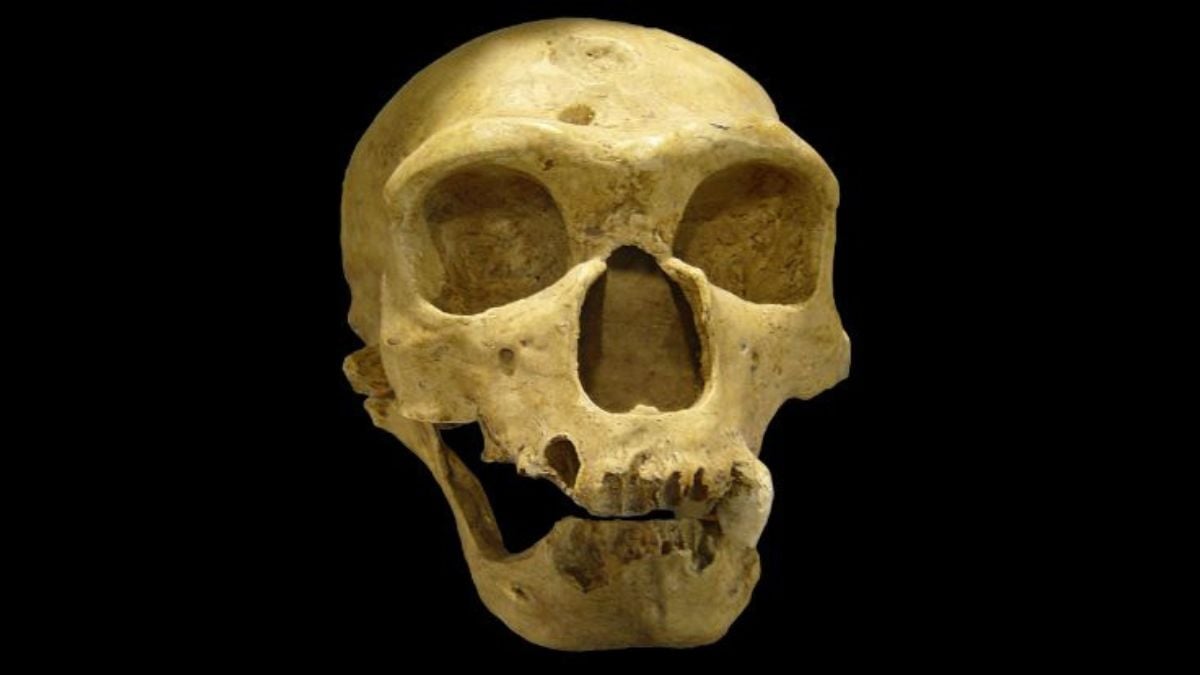
New neuroimaging techniques are offering unprecedented glimpses into the cognitive landscapes of our ancient ancestors, and the latest findings about Neanderthal intelligence are prompting a significant re-evaluation of what it means to be cognitively advanced. This isn't just an academic curiosity; it has profound implications for how we approach learning and development in our modern classrooms, challenging long-held assumptions about evolutionary cognitive hierarchies.
Ancient Brains Were More Sophisticated Than We Imagined
For decades, the prevailing narrative painted Neanderthals as brutish, less intelligent cousins to Homo sapiens. However, cutting-edge research, utilizing sophisticated analytical methods on fossilized remains, is starting to paint a very different picture. These studies are not just about history; they're about understanding the diverse expressions of intelligence across species and time.
The traditional view often focused on tool complexity and skeletal structure, but recent advancements allow for more nuanced interpretations. By analyzing cranial capacities and internal impressions, scientists are uncovering evidence of complex cognitive structures that rival our own in surprising ways.
"The brain scans reveal a significant degree of overlap in key cognitive regions between Neanderthals and early Homo sapiens, suggesting a shared potential for complex thought and social interaction that we previously underestimated."
This shift in understanding is crucial for educators. It encourages us to move beyond simplistic notions of linear cognitive progress and embrace the idea that different forms of intelligence can flourish in parallel. This perspective can inform how we design curricula and support diverse learning styles.
Unpacking the Neanderthal Cognitive Toolkit
What exactly are these brain scans revealing? The research points to well-developed areas associated with sensory processing, social cognition, and even symbolic thought. This suggests a capacity for abstract reasoning and complex communication that goes far beyond what was previously assumed.
Consider the implications for teaching abstract concepts. If our ancestors possessed the neurological underpinnings for such thinking, it underscores the importance of providing students with opportunities to engage with ideas that aren't immediately concrete. This might involve more imaginative storytelling or problem-solving scenarios.
The Surprise of Neanderthal Social Intelligence
One of the most striking revelations is about Neanderthal social intelligence. Evidence suggests they lived in larger, more cohesive groups than previously believed, implying sophisticated communication and cooperation. This is a significant departure from the image of solitary hunters.
For educators, this highlights the enduring power of social learning. The ability to collaborate, share knowledge, and navigate complex social dynamics is a cornerstone of human achievement, and it appears to be a deep-seated trait, shared even with our ancient relatives.
This understanding can inform strategies for group work and collaborative projects. When students work together, they aren't just completing a task; they are engaging in a fundamental aspect of intelligent behavior that has deep evolutionary roots.
Rethinking Intelligence Itself
The findings about Neanderthal intelligence force us to confront our anthropocentric biases. What if intelligence isn't a single, linear scale but a spectrum of diverse capabilities? This is a vital question for educators aiming to foster a truly inclusive learning environment.
The data suggests that Neanderthals excelled in different areas than early Homo sapiens, demonstrating a unique cognitive profile rather than a deficiency. This perspective encourages us to value a wider range of skills and aptitudes in our students.
This is where tools that support diverse learning can be invaluable. For instance, platforms offering various MentofyCove classroom games can engage students with different cognitive strengths, from strategic thinking in word puzzles to rapid recall in trivia.
Actionable Insights for the Modern Educator
So, what does this mean for your classroom tomorrow? Embracing the complexity of Neanderthal intelligence can lead to more dynamic and effective teaching practices. Here are some key takeaways:
- Embrace Diverse Cognitive Strengths: Recognize that students possess a wide array of intellectual talents. Move beyond a one-size-fits-all approach to assessment and instruction.
- Foster Collaborative Learning: Design activities that encourage teamwork and shared problem-solving, mirroring the social sophistication suggested by new research.
- Encourage Abstract Thinking: Provide ample opportunities for students to engage with hypothetical scenarios, symbolic representation, and complex reasoning.
- Value Different Forms of Expression: Support students in demonstrating their understanding through various mediums, not just traditional written or verbal formats.
The ability to create engaging, differentiated learning experiences is paramount. Tools that offer flexibility in lesson planning and assessment can be a game-changer. For example, advanced Mentofy AI teaching tools can help craft diverse activities, generate varied question types for assessments, and even assist with intelligent student grouping for collaborative tasks.
"The surprise about Neanderthal intelligence isn't that they were less capable, but that their capabilities were different, and in many ways, remarkably similar to our own, challenging our evolutionary narratives."
The ongoing exploration of ancient minds serves as a powerful reminder: intelligence is multifaceted and has evolved in myriad ways. By applying these insights, educators can cultivate environments that celebrate this diversity, fostering a deeper and more inclusive understanding of cognitive potential in every student. There's always more to discover about the human (and human-like) brain, and these discoveries can profoundly enrich our teaching.






 Explore AI Teaching Tools
Comments (0)
Please login to comment
No comments yet
Be the first to comment on this article