
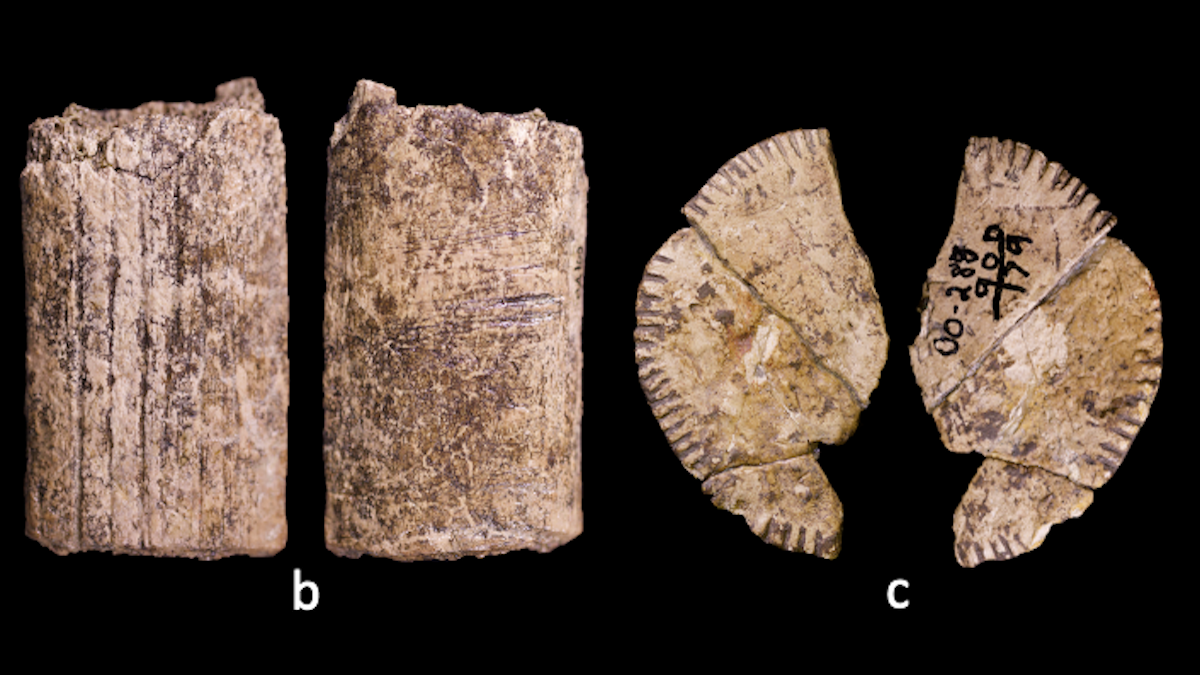
Imagine holding a piece of history so ancient it predates written language, a relic that whispers tales of early human ingenuity and a surprising penchant for chance. Scientists may have just uncovered the world's oldest dice, unearthed from a site in Turkey. This discovery isn't just a fascinating archaeological find; it has profound implications for how we understand the development of early societies and, by extension, the very foundations of learning and play.
Ancient Games Hint at Early Cognitive Development
Archaeologists recently announced the discovery of what could be the world's oldest dice, dating back an astonishing 12,000 years. These small, intricately carved artifacts, found at a Neolithic settlement in southeastern Turkey, suggest that games of chance and strategy were part of human life far earlier than previously believed. This pushes back the timeline for complex recreational activities and hints at sophisticated cognitive abilities in our ancient ancestors.
The implications for education are significant. If early humans were engaging in games, it suggests an innate drive for playful learning and social interaction. This ancient impulse is something modern educators are increasingly tapping into, recognizing that engagement is key to retention and deeper understanding.
"This discovery challenges our assumptions about the intellectual lives of early humans. It suggests that abstract thought and the desire for leisure activities were present much earlier than we thought."
The artifacts, described as having distinct markings, are remarkably similar in form to modern dice. Their discovery alongside other domestic and ritualistic objects paints a picture of a community that valued both practical survival and intellectual diversion. This duality is a cornerstone of effective pedagogy today.
Rethinking the Origins of Play and Learning
For centuries, historians and archaeologists have pieced together the lives of ancient peoples through tools, art, and settlements. The discovery of these 12,000-year-old artifacts, potentially the world's oldest dice, offers a unique window into the social and cognitive landscape of the Neolithic era. It forces us to rewrite our understanding of early human culture, moving beyond mere survival to acknowledge the presence of leisure and strategic thinking.
This ancient evidence of games of chance underscores a fundamental aspect of human development: the role of play. Play is not just a frivolous pastime; it's a critical mechanism for learning, problem-solving, and social bonding. The fact that these activities were likely prevalent 12,000 years ago suggests they are deeply ingrained in our human DNA.
Educators can draw a direct line from these ancient dice to the modern classroom. The drive to engage in games, to test luck, and to strategize is universal. Recognizing this innate human tendency allows teachers to design more effective and engaging learning experiences.
The Enduring Power of Chance and Strategy
The potential for these ancient dice to rewrite history lies in their implication of complex social structures and cognitive abilities. Games of chance require an understanding of probability, even if rudimentary. Games involving strategy, which these dice could have facilitated, foster critical thinking, foresight, and adaptation.
Consider the parallels to today's educational landscape. The desire to understand patterns, predict outcomes, and adapt to changing circumstances is at the heart of many academic disciplines. These ancient artifacts serve as a powerful reminder that these skills have been honed through play for millennia.
Bringing Ancient Play into the Modern Classroom
The discovery of the world's oldest dice isn't just a historical footnote; it's a call to action for educators. It highlights the timeless power of games to engage, educate, and connect. Teachers are increasingly looking for ways to infuse their lessons with elements of play, recognizing its profound impact on student motivation and learning outcomes.
This ancient evidence reinforces the value of incorporating games into educational settings. Whether it's a simple roll of the dice to determine a character's next move in a history simulation or a complex strategy game designed to teach mathematical principles, the core concept remains the same: learning through engagement and enjoyable challenge.
Here are some ways educators can leverage the power of play, inspired by these ancient discoveries:
- Embrace Randomness: Use dice or random number generators to introduce an element of chance into activities, encouraging adaptability and quick thinking.
- Foster Strategic Thinking: Design or adapt games that require players to plan, anticipate, and make decisions based on evolving circumstances.
- Promote Social Interaction: Group games encourage collaboration, communication, and the development of social skills, mirroring the communal aspect of ancient play.
- Integrate Playful Assessment: Explore alternatives to traditional testing, such as gamified quizzes or challenges, to assess understanding in a more engaging way.
Tools like MentofyCove classroom games offer a modern, digital approach to this ancient tradition. With a variety of multiplayer games, including trivia, word searches, and anagrams, educators can bring the spirit of playful competition and learning directly into their classrooms.
"The most effective learning often happens when students are actively engaged and genuinely enjoying the process. Games provide that crucial bridge between challenge and enjoyment."
The discovery of these 12,000-year-old artifacts, potentially the world's oldest dice, is more than just a scientific breakthrough; it's a profound reminder of the enduring human need for play and its integral role in learning and development. As educators, we can draw inspiration from these ancient traditions to create dynamic, engaging, and effective learning environments for the students of today.







 Explore AI Teaching Tools
Comments (0)
Please login to comment
No comments yet
Be the first to comment on this article