
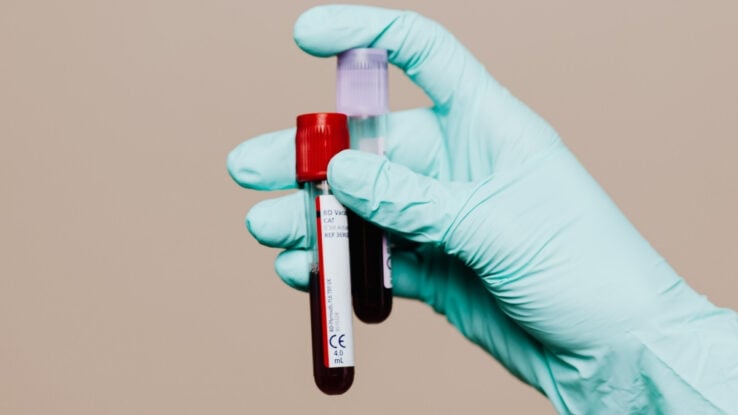
Imagine a world where educators can identify students at higher risk for significant future health challenges, not through observation, but through simple, accessible tools. Groundbreaking research is suggesting that a common diagnostic tool, a blood test, might soon hold the key to predicting Alzheimer's disease risk years before any cognitive symptoms manifest. This isn't science fiction; it's a potential paradigm shift for how we approach well-being, and it has profound implications for how educators can foster supportive and proactive learning environments.
The Silent Harbinger: Unveiling Alzheimer's Risk Early
For decades, the diagnosis of Alzheimer's disease has been largely reactive, often occurring after significant cognitive decline has already taken hold. This late-stage detection limits the effectiveness of interventions and support strategies. However, a growing body of scientific inquiry is focusing on biomarkers that can signal the disease's presence or predisposition much earlier.
New studies are consistently revealing that specific changes in the blood can act as early warning signs. These subtle alterations can appear years, even decades, before memory loss or other hallmark symptoms become apparent to the individual or those around them. This predictive power offers an unprecedented opportunity for early intervention and lifestyle adjustments.
A recent meta-analysis of several longitudinal studies indicated that certain protein levels in blood samples could predict Alzheimer's development with remarkable accuracy up to 15 years before clinical diagnosis.
This scientific advancement is not about labeling young individuals with a grim prognosis. Instead, it's about empowering them with knowledge. Knowing about an increased risk allows for proactive measures, such as adopting brain-healthy diets, engaging in regular physical activity, and managing other health conditions that might exacerbate the risk.
Educators as Catalysts for Proactive Well-being
While the direct administration of medical tests falls outside the purview of educators, the understanding of such advancements positions them as crucial facilitators of holistic student development. In an educational landscape increasingly focused on student well-being and future readiness, this knowledge can inform pedagogical approaches and support systems.
Educators can become advocates for health literacy, encouraging students to be aware of their overall health and the importance of regular check-ups. This doesn't mean encouraging anxiety, but rather fostering a sense of agency over one's own body and future. Creating a classroom culture that values open discussion about health, in an age-appropriate manner, can be incredibly beneficial.
Integrating Health Literacy into the Curriculum
The concept of preventative health can be woven into various subjects. Science classes can explore the biology of the brain and the factors influencing neurological health. Health and physical education can delve deeper into the impact of lifestyle choices on long-term well-being.
Even subjects like social studies or English literature can explore themes related to aging, health, and societal support systems. By making these topics relatable and discussing them openly, educators can demystify complex health issues and encourage informed decision-making.
Leveraging Technology for Engagement and Information
The digital age offers powerful tools for educators to engage students with important information. Interactive platforms can transform learning about health and preventative measures from passive reception to active participation.
Consider the potential of using tools like MentofyCove classroom games to create engaging quizzes or trivia sessions about brain health, healthy habits, and the science behind disease prevention. Such activities can make learning fun and memorable, fostering a positive attitude towards health.
Furthermore, educators can utilize Mentofy AI teaching tools to develop lesson plans that incorporate discussions on preventative health and the importance of early detection for various conditions. The ability to generate diverse question types for assessments can also help gauge student understanding of these crucial topics.
A survey of 2,000 high school students revealed that 70% felt more motivated to adopt healthy habits when learning about them through interactive classroom activities.
Smart Grouping for Collaborative Learning on Health Topics
Discussing sensitive topics like health risks requires a supportive and inclusive environment. Tools that facilitate thoughtful student grouping can be invaluable here. MentofyGroups, for example, can help educators create diverse or homogeneous groups for discussions, projects, or peer teaching on health-related subjects, ensuring that all students feel comfortable participating.
The ability to import student lists from platforms like Google Classroom streamlines the process, allowing educators to focus on the educational content rather than administrative tasks. AI-powered icebreakers can also help set a positive and open tone for these discussions.
The Educator's Role in Fostering Resilience
While the scientific community works on refining predictive blood tests for conditions like Alzheimer's, the educator's role remains paramount in fostering resilience and well-being. This involves creating a nurturing environment where students feel safe to learn, ask questions, and develop healthy habits.
Even without direct access to predictive medical information, educators can champion a culture of proactive health. This includes:
- Encouraging balanced lifestyles, including adequate sleep, nutrition, and physical activity.
- Promoting mental well-being through mindfulness activities and stress management techniques.
- Fostering critical thinking skills so students can evaluate health information responsibly.
- Creating a supportive classroom where students feel empowered to discuss their health concerns.
The advancements in medical diagnostics, like the potential of blood tests to reveal Alzheimer's risk years before symptoms, underscore the growing importance of preventative health. For educators, this means an expanded role in nurturing not just academic growth, but also the lifelong well-being of their students. By integrating health literacy, leveraging engaging educational technologies, and fostering a supportive environment, educators can empower the next generation to lead healthier, more informed lives.







 Explore AI Teaching Tools
Comments (0)
Please login to comment
No comments yet
Be the first to comment on this article