
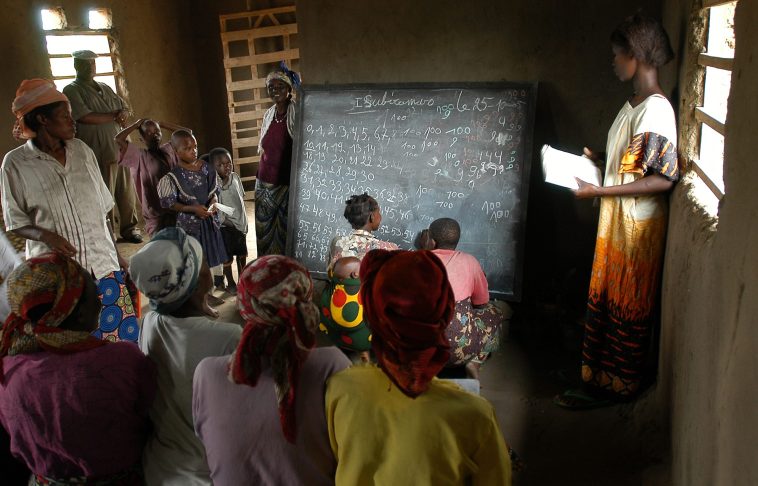
In Burundi, a nation grappling with the dual challenges of persistent insecurity and a complex linguistic landscape, learning outcomes have seen a stark and concerning decline. While early successes in foundational learning were evident, the shift in language of instruction and external instability have created significant hurdles for students, leaving educators to navigate a precarious path toward effective pedagogy. This situation underscores a critical global challenge: how to ensure equitable and quality education in contexts marked by fragility and diverse linguistic needs.
The Paradox of Early Success and Later Decline
A decade ago, Burundi presented a more optimistic picture. In 2014, the country's performance in the PASEC survey was notably strong, exceeding the average scores of participating nations. Students demonstrated proficiency in language in grade 2 and in mathematics across both grade 2 and grade 6. This early success is widely attributed to the strategic use of Kirundi, the mother tongue of over 95% of students, as the primary language of instruction in the initial grades.
The clarity and relative stability of the curriculum and textbooks also played a role in these positive outcomes. However, this promising trajectory began to falter. By 2019, a significant reversal was evident. The proportion of grade 6 students meeting the minimum proficiency threshold in reading dropped from 57% to a mere 28%, while mathematics scores saw a similar decline from 87% to 61%.
"By 2019, while most PASEC countries improved their scores, the percentage of grade 6 students achieving the minimum proficiency threshold defined by PASEC (levels 3 and 4) dropped sharply in Burundi, from 57% to 28% in reading and from 87% to 61% in mathematics."
Further assessments in 2021, using the more stringent global proficiency definition, confirmed these alarming trends. Just 1% of grade 6 students achieved minimum proficiency in reading, and only 14% in mathematics. National assessments in 2020 and 2024, while using different scales, corroborated these findings, indicating a consistent pattern of better performance in mathematics than reading, and a general decline in learning as students progressed through primary school.
Insecurity's Shadow on Education
The period following 2015 was marked by a severe political crisis that plunged Burundi into a state of insecurity, characterized by armed attacks that frequently disrupted the normal functioning of schools. This instability not only directly impacted student attendance and the learning environment but also triggered a significant economic downturn. The resulting decline in living conditions placed immense strain on families and, consequently, on the education system itself.
The economic fallout was profound, with over half of all children suffering from malnutrition in 2019, a clear indicator of widespread hardship. The crisis also had a direct impact on the financing of education. The share of education in total public spending, which had peaked at 27% in 2015, fell to 20% by 2017–18. External funding, a crucial component of educational resources, dwindled dramatically from 5% in 2016 to less than 1% from 2017 onwards, exacerbated by the closure of a UN office and the suspension of an EU program until 2022. This reduction in financial support hampered coordinated sector planning and monitoring, further weakening the educational infrastructure.
The Language Barrier: A Critical Hurdle
The shift in language of instruction is identified as a primary driver behind the declining learning outcomes in upper primary grades. Burundi employs an additive bilingual model, introducing French alongside Kirundi from the early grades. However, the critical transition from Kirundi to French as the medium of instruction occurs in grade 4 for mathematics and in grade 5 for other subjects.
While both languages are taught from grade 1, a significant reduction in instructional time dedicated to French after 2015 severely limited students' mastery of the language. Given that the PASEC assessments are administered in French, this linguistic gap directly explains a substantial portion of the weaker performance observed in these assessments. Educators face the challenge of ensuring comprehension when the language of instruction shifts, especially when foundational concepts in subjects like mathematics are involved.
Teacher Preparedness and Training Gaps
Compounding the language challenge are concerns regarding teacher training. While the vast majority of primary school teachers (91%) have received initial training, a significant percentage expressed dissatisfaction with the quality of their preparation. Fifty-five percent reported inadequate training in subject content, and 44% felt their methodological training was insufficient. This gap in preparedness means teachers may struggle to effectively deliver instruction in French or to support students who are still developing their proficiency in the new language of instruction.
“Early instruction in Kirundi has shown what is possible when learners are taught in a familiar language. Yet the abrupt transition to French, compounded by insecurity, economic strain and reduced investment, has undermined those early gains and widened learning gaps as children progress through school.”
This situation highlights the need for robust professional development programs that equip teachers with the skills to manage bilingual classrooms and support language acquisition effectively. Tools like Mentofy AI teaching tools, which can assist with lesson planning and generating diverse assessment materials, could offer valuable support to educators facing these complex pedagogical demands.
Navigating Towards a Brighter Future
The experience in Burundi serves as a potent reminder of the intricate relationship between language policy, socioeconomic stability, and educational outcomes. The early success achieved through instruction in Kirundi demonstrates the power of mother-tongue education in fostering foundational learning. However, the subsequent challenges underscore the fragility of these gains when faced with abrupt language transitions, persistent insecurity, and diminished investment in the education sector.
Reversing the trend of declining learning outcomes will necessitate a multifaceted approach. This includes not only curriculum adjustments but also sustained efforts to promote peace and security, renewed financial commitment to education, and enhanced teacher preparation. A carefully managed bilingual transition is crucial, one that prioritizes comprehension and builds upon existing linguistic strengths while simultaneously expanding opportunities for students.
Key takeaways for educators and policymakers include:
- Prioritizing mother-tongue instruction in early grades to build a strong foundation for learning.
- Implementing a gradual and well-supported transition to a second language of instruction, ensuring adequate instructional time and resources.
- Investing in comprehensive teacher training programs that focus on bilingual pedagogy and subject matter mastery.
- Addressing the impact of insecurity and economic instability on student well-being and school attendance.
- Advocating for increased and sustained financing for the education sector, including external partnerships.
Innovative approaches to engagement and assessment can also play a vital role. Utilizing MentofyCove classroom games, such as trivia game or word search game, can make learning more interactive and engaging, particularly when reinforcing vocabulary or concepts in both Kirundi and French. Furthermore, tools that simplify administrative tasks, like Mentofy AI teaching tools for AI grading or exam creator functions, can free up valuable teacher time for direct instruction and student support.
The path forward for Burundi, and indeed for many countries facing similar challenges, requires a holistic commitment to creating an environment where every child has the opportunity to learn and thrive, unhindered by the circumstances of their birth or the complexities of their nation's journey. The journey toward improved learning outcomes is ongoing, demanding resilience, innovation, and a steadfast dedication to the fundamental right to education.




 Explore AI Teaching Tools
Comments (0)
Please login to comment
No comments yet
Be the first to comment on this article