
In a move that has sent ripples through educational communities nationwide, a Mississippi school district's stringent gender-based dress code has ignited a powerful conversation about student identity, parental rights, and the evolving landscape of inclusivity in schools. The Harrison County School District's policy, requiring students to adhere to clothing based on their sex assigned at birth, stands in stark contrast to many surrounding districts, prompting both legal challenges and community activism. This situation underscores a critical challenge for educators: how to navigate deeply personal student identities within established school structures while fostering an environment of respect and safety.
A Graduation Ceremony Reimagined: Celebrating Authenticity Beyond Policy
This past June, a unique graduation ceremony offered a poignant counterpoint to the district's policies. Nine young adults, who had previously been unable to fully express their identities at their official high school graduations, celebrated their achievements at a "Pride! Graduation." This event, sponsored by the nonprofit Transgender Resources, Advocacy, Networking and Services Program (TRANS Program), provided a space where transgender and LGBTQ+ students could receive recognition without the constraints of gender-based dress codes.
The ceremony honored students for their "courage, authenticity and pride," a sentiment that resonated deeply with attendees. For many, it was a chance to finally celebrate their high school journey in a way that felt true to themselves, a stark contrast to the restrictions they had faced within the formal school system.
“We love and appreciate our students, and we care to uplift and serve them always,” said Jensen Luke Matar, director of the TRANS Program.
The contrast between this affirming event and the policies of the Harrison County School District highlights the urgent need for dialogue and understanding within educational institutions. While the district maintains its adherence to traditional gender norms, students and their allies are pushing back, advocating for policies that acknowledge and respect diverse identities. This push is not just about clothing; it's about a fundamental right to self-expression and safety within the school environment.
The Harrison County Dress Code: A Policy Under Fire
The core of the controversy lies in the Harrison County School District's specific policy, which mandates that students must dress according to their "biological sex that is stated in the student’s cumulative folder and permanent record." This directive sets it apart from neighboring school districts along the Gulf Coast, which do not impose such restrictions on student attire.
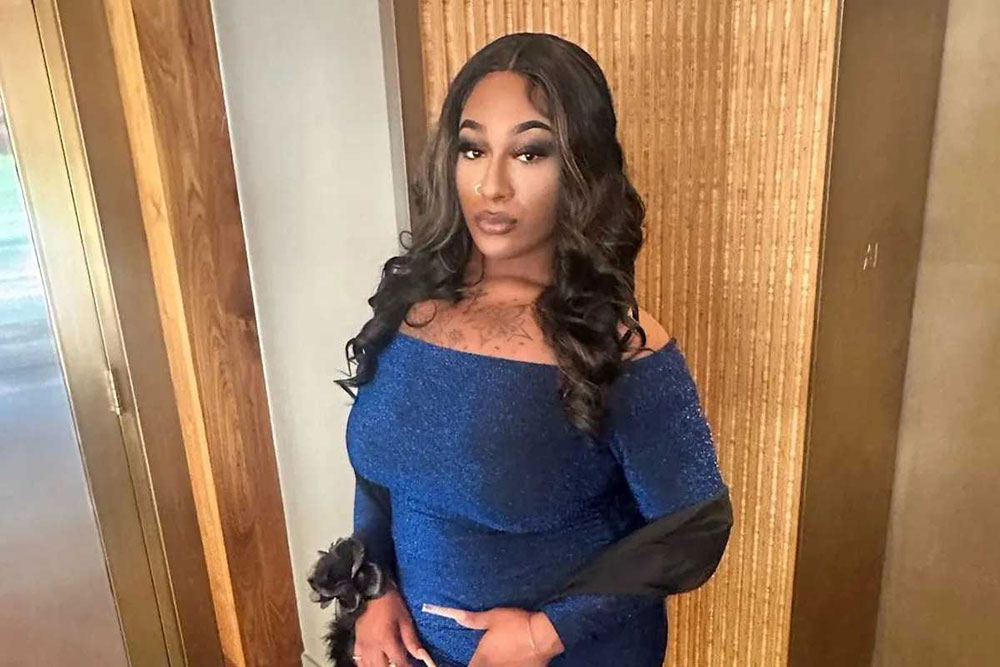
This policy has directly impacted students like Lana Brown, a transgender woman who graduated from Harrison Central High School in 2023. Brown was informed by school officials that she could not wear a dress to her graduation ceremony. This experience led her to forgo her official graduation and later file a lawsuit, though it was ultimately unsuccessful.
Brown's experience is a powerful illustration of how rigid policies can alienate students and undermine their sense of belonging. The legal challenge, while not resulting in a victory, served to document the discriminatory impact of the dress code and brought wider attention to the issue.
For 2023 Harrison Central High School graduate Lana Brown, the June celebration was the first time she walked a graduation stage. Three years ago Harrison Central leaders told Brown, a transgender woman, that she could not wear a dress to her graduation ceremony. She chose not to attend, and filed a lawsuit against the school alleging that the dress code policy, enforced based on gender stereotypes, violated her rights.
The school district's continued enforcement of this policy, even after such challenges, signals a deep-seated adherence to traditional gender roles. Advocates argue that this approach ignores the well-being of transgender and gender nonconforming students, creating an environment of fear and exclusion.
Advocates Speak Out: Challenging Discrimination at School Board Meetings
The pushback against the Harrison County School District's policies has extended into public forums, with parents and advocates raising concerns at school board meetings. These meetings have become crucial platforms for sharing personal stories and demanding policy changes.
At a June 1 Harrison County school board meeting, Noelle Nolan-Rider drew parallels between the current dress code policies and historical instances of discrimination, referencing the exclusion of Black students from yearbooks during the civil rights era. Her powerful analogy underscored the discriminatory nature of policies that marginalize specific groups of students.
The response from some board members, suggesting students were aware of the dress code and had second chances for photos, was met with skepticism by advocates. They contend that these perceived "second chances" do not negate the harm caused by the initial enforcement of discriminatory rules, and that students often do not receive these opportunities.
The struggle for equitable treatment is further exemplified by the experience of Jonathan Blue, a transgender parent. Blue reported being denied the opportunity to speak at a school board meeting, citing a procedural technicality that prevented her from signing up to address the board before the meeting began. This incident, corroborated by recordings, raises questions about the board's transparency and willingness to engage with public concerns.
Jonathan Collins, an expert in education policy at Columbia University, notes that while school board policies on public comments are common, a lack of responsiveness can erode public trust. The Harrison County situation appears to be a case where procedural rules may be used to limit public input, rather than facilitate it.
These public comment sessions are vital for educators to understand the diverse needs of their student populations. Tools like Mentofy AI teaching tools can help educators process and respond to a wider range of student needs and feedback, but they cannot replace the direct engagement at the community level.
The Impact on Students: Mental Health and Safety Concerns
The policies in Harrison County have tangible and detrimental effects on the mental health and physical safety of transgender and gender nonconforming students. The constant pressure to conform to gender norms can lead to significant distress, anxiety, and depression.
Students who spoke at the Pride Graduation shared their experiences of feeling unsafe and unsupported within their schools. O.K., a transgender college student, spoke about her struggles with depression and how finding supportive communities like the TRANS Program was essential for her well-being. The ability to express oneself authentically, even in small ways like attending an event in a dress, can be profoundly healing.
For T.G., another student, the lack of visible LGBTQ+ community in his area of Mississippi made supportive events crucial for feeling less alone. The isolation experienced by many transgender and gender nonconforming youth in areas with limited affirming spaces cannot be overstated.
The fear of using public restrooms, even after starting hormone therapy, is a stark reality for some students like J.W. The constant anxiety of being misgendered or facing harassment in everyday school settings takes a significant toll. This underscores the need for schools to create environments where all students feel safe and respected, regardless of their gender identity.
Educators can leverage resources and implement strategies to foster a more inclusive school climate. Utilizing tools for Mentofy AI lesson plans can help integrate discussions on diversity and inclusion into the curriculum, while MentofyBoards can display inclusive messaging and resources.
Navigating Identity and Education: A Path Forward
The situation in Harrison County, Mississippi, is a microcosm of broader national debates surrounding LGBTQ+ rights and education. It highlights the tension between traditional values and the growing understanding of gender diversity.
For educators, this presents an opportunity to reflect on their own practices and institutional policies. Are schools creating spaces where all students can thrive, or are they inadvertently perpetuating harm through outdated or exclusionary rules?
Key takeaways for educators and school districts include:
- Prioritizing Student Well-being: Policies should be evaluated based on their impact on student mental health and safety.
- Engaging with the Community: Open dialogue with students, parents, and advocacy groups is crucial for understanding diverse needs.
- Reviewing and Updating Policies: School handbooks and dress codes should be reviewed for inclusivity and alignment with best practices in supporting LGBTQ+ students.
- Providing Professional Development: Educators need training on gender identity, LGBTQ+ inclusivity, and creating affirming classroom environments.
- Leveraging Technology for Inclusion: Tools that support diverse learning styles and foster a sense of community can be invaluable. For instance, MentofyCove classroom games can be adapted to promote teamwork and understanding among all students.
The story of Lana Brown and the students celebrated at Pride Graduation is a testament to the resilience of young people and the power of advocacy. While the legal battles may be complex, the human element—the desire to be seen, respected, and affirmed—is undeniable.
The path forward for schools involves a commitment to creating environments where every student feels valued and safe to be their authentic self. This requires a willingness to challenge existing norms, listen to marginalized voices, and implement policies that reflect the diverse realities of the student body. Ultimately, fostering an inclusive school culture is not just a matter of policy; it's a moral imperative that underpins the very mission of education.



 Explore AI Teaching Tools
Comments (0)
Please login to comment
No comments yet
Be the first to comment on this article