
Beyond the Bottom Line: Why Humanities Degrees Are More Vital Than Ever
The dreaded question looms at family gatherings: "So, what are you studying?" For many, this simple inquiry can quickly spiral into a tense interrogation about the perceived "uselessness" of a humanities degree. The skepticism, often rooted in a misunderstanding of the field's tangible value, can leave students and graduates feeling defensive and undervalued.
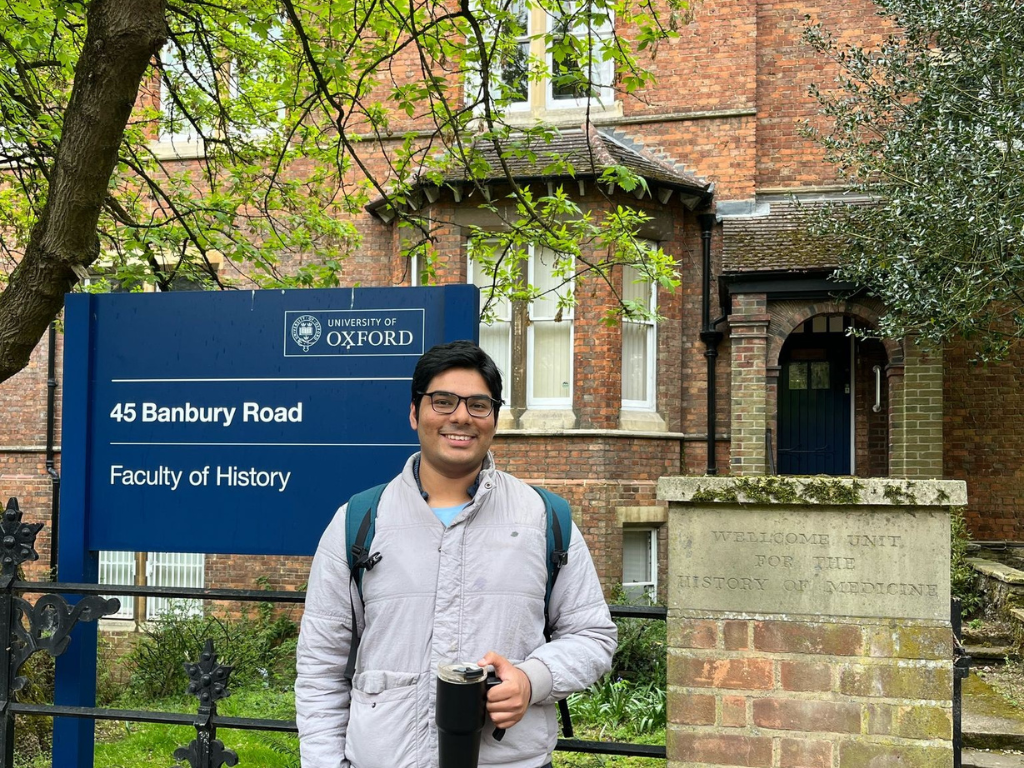
This persistent doubt, however, is less about genuine curiosity and more about a deeply ingrained misconception. Utsa Bose, a PhD student in the History and Philosophy of Science and Technology at the University of Oxford, understands this challenge intimately. He notes that in many households, particularly those with a strong emphasis on practicality, academic pursuits are often viewed through a purely transactional lens.
“The thing is, I come from an Asian household, and it’s common to come across these types of questions, where degrees are often viewed through a practical, almost transactional lens,” Bose shares. This perspective, he explains, is often a product of generational experiences.
“Our parents were from a generation where you had to earn quickly and send money back,” Bose elaborates. “There’s that practical aspect.” While acknowledging this historical context is crucial for understanding the origins of these concerns, it doesn't validate the notion that humanities degrees lack worth.
The irony is stark: we live in a world profoundly shaped by the very subjects humanities graduates explore – stories, culture, politics, and history. Yet, the value of this deep engagement remains a subject of debate for many people.
The Visibility Gap: Where Are the Role Models?
Bose's experience within the humanities field highlights a critical issue: the problem isn't necessarily unemployability, but a lack of visibility. Without clear examples of successful individuals who have navigated these academic paths, it becomes difficult to envision a tangible future.
“I didn’t have any role models growing up, especially in my country,” Bose admits. “I didn’t have anyone in my family who did a humanities degree.” This absence of relatable figures creates a significant hurdle for those considering or pursuing these disciplines.
When students are encouraged to "follow your passion," it's a powerful sentiment, but it often falls short against the very real pressures of financial stability and parental expectations. Inspiration alone isn't enough; people crave concrete evidence of success.
The contrast with STEM fields is striking. For those in science or technology, prominent figures like Bill Gates, Jeff Bezos, Steve Jobs, or Elon Musk serve as readily available examples of extraordinary achievement. The humanities, however, often struggle to present such universally recognized icons.
Challenging Gendered Perceptions
Adding another layer to this challenge is the societal resistance some men face when choosing a humanities degree. Bose himself has observed this problematic, sexist aspect within the field.
“It’s a problematic sexist aspect to it,” he shares. “I don’t have any males in my family who pursued the field.” Fortunately for Bose, his parents were supportive of his academic choices, a privilege not universally shared.
Despite these obstacles, inspiring stories are emerging, often with a quiet but profound impact. Bose finds deep motivation in his work, stating, “I feel very privileged that I can go into the archive, find out how people lived before this, and tell their stories. I think that’s what keeps me motivated.”
These personal narratives are crucial. They demonstrate that the pursuit of knowledge in the humanities is not an abstract endeavor but a pathway to understanding and communicating the human experience. Bose is now becoming one of those role models he once lacked, inspiring younger students to consider the rich possibilities within these fields.
Navigating the Conversation: How to Talk to Your Parents
For students facing the dinner table interrogation, the desire for a clear, definitive script is understandable. While a single, universally applicable answer remains elusive, a strategic approach can transform a potentially confrontational discussion into a productive dialogue.
The first step is to acknowledge your parents' perspective. As Bose points out, their concerns about stability are not irrational but are often shaped by their own lived experiences and the economic realities they navigated. Dismissing their worries outright is rarely effective.
Instead, aim to reframe the conversation. Shift the focus from abstract interests to concrete outcomes. Highlight the diverse industries where humanities graduates thrive: media, policy, international relations, education, and business. Specific examples are far more persuasive than vague declarations of passion.
Building Your "Evidence Folder"
To bolster your case, actively build what can be considered your "evidence folder." This involves demonstrating tangible engagement with your chosen field. Pursue internships, freelance projects, research opportunities, or even start a blog to showcase your dedication and developing expertise.
By actively working in your field, you provide your parents with visible proof of your commitment and the pathways your degree can open. The more visible your trajectory, the less abstract and more real your chosen path will appear to them.
Bose's own journey, from undergraduate studies in English to doctoral research, is a testament to the varied and impactful careers available. His current role as a Student Ambassador for a prestigious colloquium further illustrates his active engagement and growing influence within academic circles.
Finding Your Champions and Standing Firm
As Bose suggests, success stories are powerful tools. Identify and share examples of individuals who have leveraged their humanities degrees to achieve fulfilling careers. These can be alumni from your high school, a respected professor, a family friend, or even a public figure.
Having real people to point to can effectively shift the conversation from speculative anxieties to tangible possibilities. It transforms the "What if?" into a compelling "Look at this."
Ultimately, standing your ground with conviction is essential. “The way I navigated it was basically, it didn’t matter to me what people thought because I liked what I was doing,” Bose reflects. This inner resolve is vital.
The goal isn't to pursue a degree you dislike or enter a field you'll eventually resent. It's about recognizing that a degree is, at its core, a commitment to a particular way of thinking and engaging with the world. This commitment must originate from within you.
It's important to remember that every educational path carries inherent risks. The job market is dynamic and unpredictable, even for those in fields traditionally perceived as more secure, such as computer science and engineering. The true value of a humanities degree lies in its ability to cultivate critical thinking, adaptability, and a deep understanding of the human condition – skills that are increasingly vital in navigating an ever-changing world.






 Explore AI Teaching Tools
Comments (0)
Please login to comment
No comments yet
Be the first to comment on this article