
Beyond Textbooks: How Pollution and Policy Are Reshaping Student Learning
Imagine a classroom where the hum of distant machinery or the rumble of an airplane directly impacts a student's ability to grasp complex mathematical concepts. This isn't a hypothetical scenario; emerging research suggests that environmental factors, often overlooked in traditional education discussions, are measurably affecting student achievement, particularly in math.
A recent gathering of educators and researchers, focused on the intersection of climate change and education, unveiled a series of compelling findings that challenge how we view the learning environment. These insights reveal a complex web connecting environmental stressors, policy decisions, and the academic outcomes of students.
The Unseen Impact of Proximity: Pollution's Toll on Academic Performance
The physical surroundings of a school may be more influential than previously understood. Preliminary research presented at the conference indicates a direct correlation between proximity to certain industrial facilities and a student's academic performance, particularly in crucial subjects like mathematics.
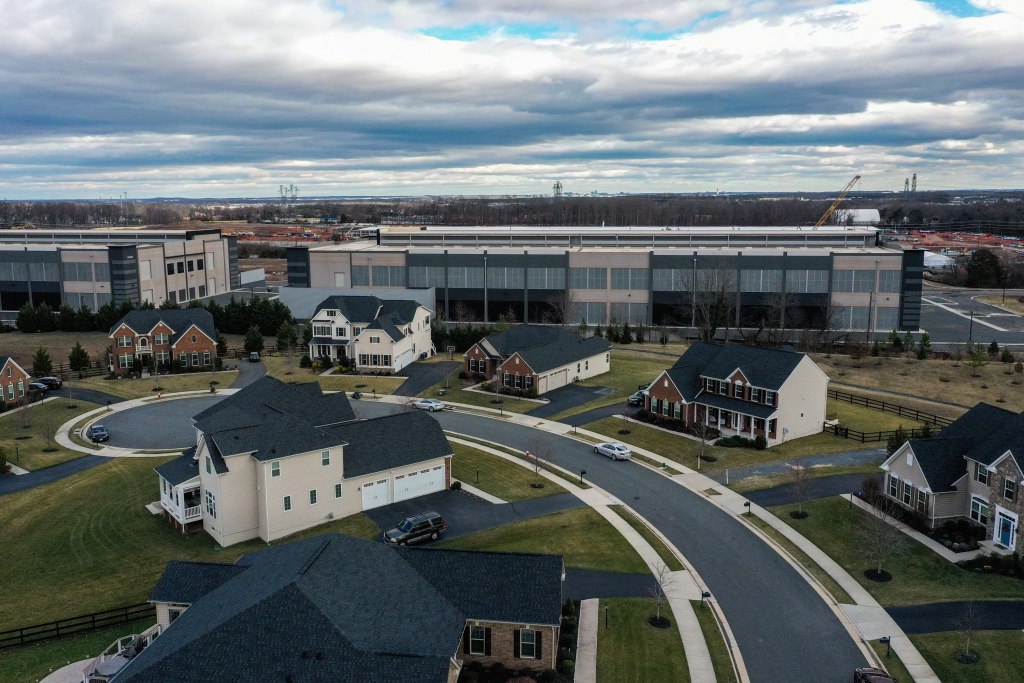
Data Centers and Declining Math Scores
Samantha Kane, a postdoctoral research associate at Brown University, shared striking data suggesting that students attending schools situated within a mile of data centers experience a noticeable decline in their math performance. This effect appears to be statistically significant, especially for third graders.
The impact intensifies for students in schools located near multiple data centers, where math score declines are even more pronounced. This phenomenon is attributed to the emission of harmful pollutants from these facilities, which are linked to respiratory illnesses like asthma and other health issues that can impede a child's ability to focus and learn.
Noise Pollution's Silent Sabotage
The disruption isn't limited to air quality. Josh Aarons, a doctoral student at the University of California San Diego, presented research highlighting the detrimental effects of noise pollution on student learning. His work focused on schools situated in "noise corridors" near major airports.
Aarons' findings indicate a significant decrease in math scores for students exposed to persistent airport noise. This underscores the urgent need for schools in such environments to invest in robust noise insulation for classrooms to create a more conducive learning atmosphere.
Cultivating Climate Literacy and Hope Through Education
While environmental challenges pose risks to academic success, the conference also showcased the power of education to foster understanding and agency among students regarding climate change. Innovative approaches are demonstrating that even brief interventions can yield significant results.
Renewable Energy Lessons Spark Engagement
In the United States, students who participated in math lessons incorporating information about renewable energy reported a greater awareness of climate change. Crucially, these lessons also instilled a sense of hope about their ability to combat its effects, suggesting a powerful link between practical application and emotional engagement.
Arts and Science: Pathways to Understanding
Research from India, presented by Ashutosh Bhuradia, a Ph.D. candidate at Harvard University's Graduate School of Education, explored the impact of air pollution education. While students who learned about air pollution through arts-based lessons demonstrated improved understanding of the environmental problem, a direct link to behavioral change proved more elusive.
This highlights a key challenge: fostering knowledge is one step, but translating that knowledge into tangible action requires a more nuanced approach. The lessons provided a foundation for comprehension, but the path to behavioral modification is complex.
The Transformative Power of Targeted Climate Instruction
Even short, focused educational modules can have a profound impact on students' perception and engagement with climate change. The research presented suggests that integrating climate themes across various subjects can be highly effective.
A Multidisciplinary Approach to Climate Education
Margaret Wang, a cofounder of SubjecttoClimate, discussed research where students engaged with climate-related lessons in subjects ranging from art and algebra to English and science. These approximately 60-minute sessions, delivered across four different subject areas, significantly boosted students' knowledge of climate change.
Beyond mere knowledge acquisition, participants reported a heightened sense of purpose and a greater inclination towards climate action. This multidisciplinary strategy appears to be a potent tool for embedding climate awareness into the core of the educational experience.
Inspiring Action: From Awareness to Agency
While some studies indicated that prompting behavioral change can be challenging, others offered promising insights. In Bhuradia's study, students were not demonstrably more likely to choose environmentally friendly incense or donate to a "clean air fund" after the lessons. This suggests that direct behavioral nudges may require more sustained effort.
However, Wang's research revealed a different outcome. Students who participated in her climate-focused lessons expressed a greater willingness to adopt climate-friendly behaviors. This included intentions to purchase energy-saving lightbulbs, wash clothes at lower temperatures, and engage with elected officials on environmental issues.
Schools as Agents of Change: Policy and Student Activism
The conference also shed light on how educational institutions themselves are increasingly embracing sustainability and climate action, often driven by the very students they serve.
A Growing Commitment to Environmental Policies
Carine Verschueren, a postdoctoral research associate at the University of Illinois-Urbana Champaign, shared data indicating a significant rise in environmental and sustainability policies adopted by large school districts. The number of districts with such policies has grown from 51 in 2020 to 60 out of the 200 largest districts nationwide.
A substantial portion of these policies now explicitly address climate change and climate justice. This shift is frequently attributed to the persistent activism and advocacy of students, whose voices are increasingly being recognized and incorporated into policy documents.
Motivations Behind Policy Adoption
School districts are adopting these environmental policies for a multifaceted set of reasons. Key drivers include the desire to conserve resources, promote the health and well-being of both students and staff, achieve cost savings, and empower students by giving them a greater role in shaping their school's future.
The research presented at the conference paints a clear picture: the health of our planet and the academic success of our students are inextricably linked. As we navigate the complexities of climate change, education must evolve to not only impart knowledge but also to foster resilience, inspire action, and create learning environments that are both healthy and equitable for all students.







 Explore AI Teaching Tools
Comments (0)
Please login to comment
No comments yet
Be the first to comment on this article