
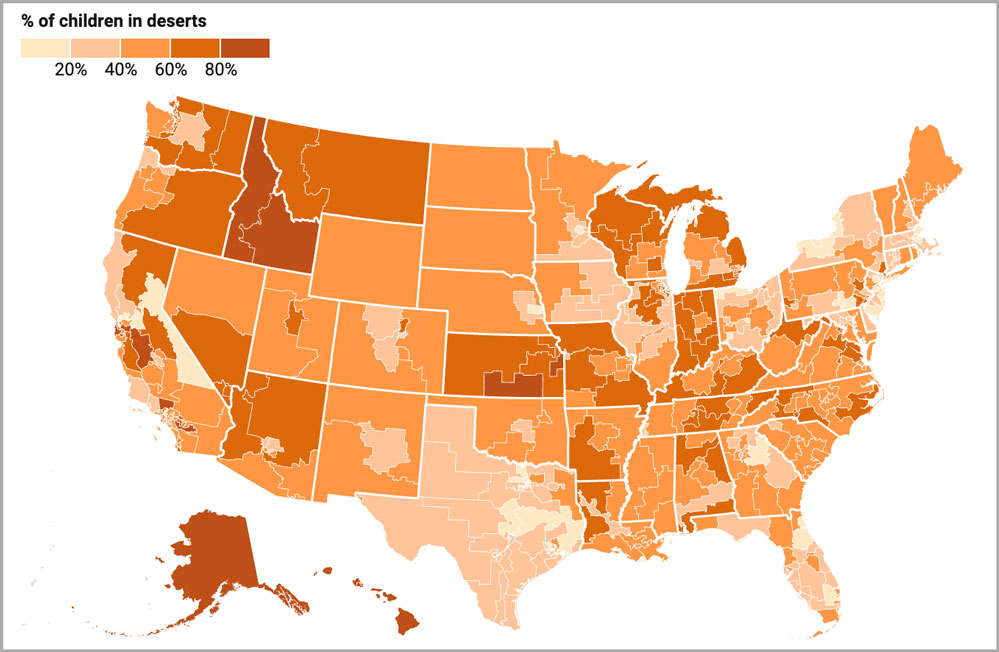
Imagine a state where nearly every child lives in a community starved for licensed childcare. This isn't a hypothetical scenario; it's the stark reality in Hawaii, a situation that demands immediate attention from educators, policymakers, and families alike. The ripple effects of this profound shortage are already impacting preschools, families, and the very fabric of early childhood education, creating a crisis that requires innovative solutions and sustained investment.
Hawaii's Childcare Crisis: A Nationally Unprecedented Shortage
Recent reports paint a concerning picture: a staggering 96% of children in Hawaii reside in communities designated as childcare deserts. This means for every single licensed childcare seat, there are at least three young children vying for a spot. This figure more than doubles the national average, placing Hawaii at the forefront of a nationwide challenge, but with significantly amplified intensity.
These childcare deserts encompass a range of licensed programs, including public and private preschools, group childcare homes, and Head Start facilities. The data, compiled by organizations like the Center for American Progress, underscores a critical disconnect between the needs of families and the available infrastructure for early learning.
In Hawaiʻi, 96% of kids live in these deserts — more than double the national average. Of these kids, 86% live in communities with no supply of licensed childcare providers at all.
The implications for educators and the broader education system are profound. When safe, nurturing, and educational environments for young children are scarce, it places immense pressure on existing programs and creates significant barriers for families seeking to ensure their children receive quality early education. This shortage isn't just about finding a place for children; it's about ensuring their foundational development and future academic success.
The Dual Blow: Shrinking Provider Capacity and Delayed Subsidies
Adding to the crisis, Hawaii has experienced a net loss of licensed childcare seats in recent years. While the state has made strides in expanding public preschool programs, adding over 1,800 seats since 2022, the capacity of private childcare providers has paradoxically fallen by approximately 950 seats during the same period. This contraction in the private sector exacerbates the already dire shortage.
The reasons for this decline are complex, but a significant factor is the shrinking workforce of early educators. Many providers, facing financial pressures and staffing challenges exacerbated by the pandemic, have been forced to close classrooms or reduce their enrollment numbers. This creates a difficult cycle where the demand for childcare continues to rise, while the supply dwindles.
Compounding these challenges, some families are facing further hurdles due to delays in receiving state tuition subsidies. Programs like Preschool Open Doors, which offer crucial financial assistance to eligible families, have seen their application windows and processing times significantly impacted. This delay creates uncertainty and financial strain for families who rely on these subsidies to afford preschool tuition.
Navigating the Subsidy Labyrinth
The Preschool Open Doors program aims to support families by providing tuition subsidies for young children whose household incomes are up to 500% of the federal poverty level. The maximum subsidy, ranging from $1,200 to $1,500 per month, can be a lifeline for many parents struggling with the high cost of early childhood education.
However, this year, the application window for these vital subsidies opened significantly later than usual. Typically, applications are processed in time for payments to begin on July 1st. This year, the window opened on May 29th, leaving the department with just over a month to process applications before the expected payment period. Parents are required to reapply annually, adding another layer of administrative complexity.
The delay was attributed to the need for the Department of Human Services to update administrative rules, specifically to expand the program's age eligibility to include 2-year-olds. While this expansion is a positive step, the administrative overhaul led to a compressed timeline, impacting families who were expecting timely support.
As of recent reports, the department had received over 6,100 applications and processed just over 1,200. With staff processing an estimated 10 to 15 applications per day, the backlog is substantial. While the department is exploring strategies to expedite processing, the extended wait times are causing significant anxiety for families.
“My anticipation was if they open this late, they’ve got it under control. It’s not looking good at all.”
— Christine Russo, parent navigating subsidy delays
Parents like Christine Russo, who applied for her twin daughters on the first day applications opened, are left in limbo. Having previously qualified for the subsidy, which reduced her monthly tuition to a mere $28, she now faces the prospect of covering over $2,700 per month for both girls. This financial burden is unsustainable for many, forcing difficult decisions about their children's education.
The Impact on Educators and Providers
The childcare crisis in Hawaii isn't just a parental concern; it's a significant challenge for early childhood educators and providers. The uncertainty surrounding subsidy payments directly impacts the financial viability of preschools and childcare centers.
Some providers report that families are hesitant to enroll their children or commit to programs until they have confirmation of their subsidy status. This "wait and see" approach can lead to unfilled seats for extended periods, creating significant revenue gaps for centers that operate on tight margins. For example, Seagull Schools, which operates multiple early learning sites, has seen parents withdraw children for July due to pending subsidy approvals.
This instability makes long-term planning incredibly difficult for providers. They struggle to forecast enrollment numbers, manage staffing needs, and maintain operational consistency. The stress on providers is immense, as they strive to serve their communities while navigating these systemic challenges.
Furthermore, the shortage of qualified early educators remains a critical issue. Attracting and retaining skilled professionals in this field is essential for expanding capacity and ensuring quality. Without competitive compensation and supportive working conditions, the pipeline of educators will continue to be strained, perpetuating the cycle of scarcity.
Strategies for Building a Resilient Childcare System
Addressing Hawaii's childcare crisis requires a multi-faceted approach involving significant investment, policy reform, and community collaboration. The current situation highlights the urgent need for robust support systems that prioritize early childhood education as a fundamental pillar of societal well-being.
Here are some key areas where action is needed:
- Increased Public Investment: Expanding state and federal funding for childcare subsidies, provider grants, and workforce development programs is crucial. This includes exploring options for increased tuition subsidies and direct financial support for childcare centers.
- Workforce Development and Support: Implementing initiatives to attract, train, and retain early childhood educators is paramount. This could involve scholarships, loan forgiveness programs, professional development opportunities, and efforts to improve compensation and benefits.
- Streamlined Administrative Processes: The Department of Human Services and other relevant agencies must prioritize efficient and transparent processes for subsidy applications and approvals. Investing in technology and staffing to reduce backlogs and ensure timely support for families is essential.
- Public-Private Partnerships: Fostering collaboration between government agencies, private childcare providers, and community organizations can help create innovative solutions and leverage resources effectively.
- Policy Reform: Reviewing and updating regulations related to childcare licensing, staffing ratios, and facility requirements can help increase the availability of quality care while maintaining safety standards.
- Support for Families: Providing accessible information and resources to families about available childcare options and subsidy programs is vital. This includes clear communication about application processes and timelines.
For educators looking to engage students and create dynamic learning environments, even amidst these challenges, tools can provide immediate support. Platforms offering MentofyCove classroom games can inject fun and interactivity into lessons, while robust Mentofy AI teaching tools can streamline lesson planning and assessment, freeing up valuable time for educators to focus on student needs.
The Path Forward: A Call to Action
The childcare shortage in Hawaii is a complex issue with far-reaching consequences. It impacts children's readiness for school, parents' ability to work, and the overall economic health of the state. The current system, burdened by insufficient capacity and administrative hurdles, is failing to meet the needs of many families.
While the state has acknowledged the problem and taken some steps, such as expanding public preschool and attempting to reform subsidy programs, the scale of the crisis demands more urgent and comprehensive action. The well-being of Hawaii's youngest learners and the stability of its families depend on it.
Educators, policymakers, and community members must work collaboratively to advocate for increased investment, implement effective policies, and build a childcare system that is accessible, affordable, and high-quality for all. The future of Hawaii's children, and indeed its society, hinges on our ability to address this critical challenge head-on.




 Explore AI Teaching Tools
Comments (0)
Please login to comment
No comments yet
Be the first to comment on this article