
Fresno County's Bold Leap: Placing Students with Disabilities Directly into Community Workplaces
In a significant shift for vocational education, Fresno County is redefining how students with disabilities prepare for the professional world. This innovative approach moves beyond simulated environments, immersing young individuals directly into the dynamic pulse of local businesses and schools, fostering independence and challenging long-held perceptions.
From Sheltered Workshops to Real-World Roles: A Paradigm Shift
For years, vocational training for students with disabilities often meant working within specially adapted environments. While these settings provided a controlled learning space, they frequently fell short in preparing individuals for the complexities and demands of a typical workplace.
Fresno County's Career Adventure Program is actively dismantling this model. The program's core philosophy now centers on integrating students into existing businesses and educational institutions, allowing them to gain authentic work experience and build essential skills alongside their non-disabled peers.
This transition is not merely about job placement; it's about fostering a sense of belonging and demonstrating the invaluable contributions individuals with disabilities can make. The goal is clear: to pave the way for competitive employment and fundamentally alter how the community views the capabilities of its diverse workforce.
A Day in the Life: Real Work, Real Impact
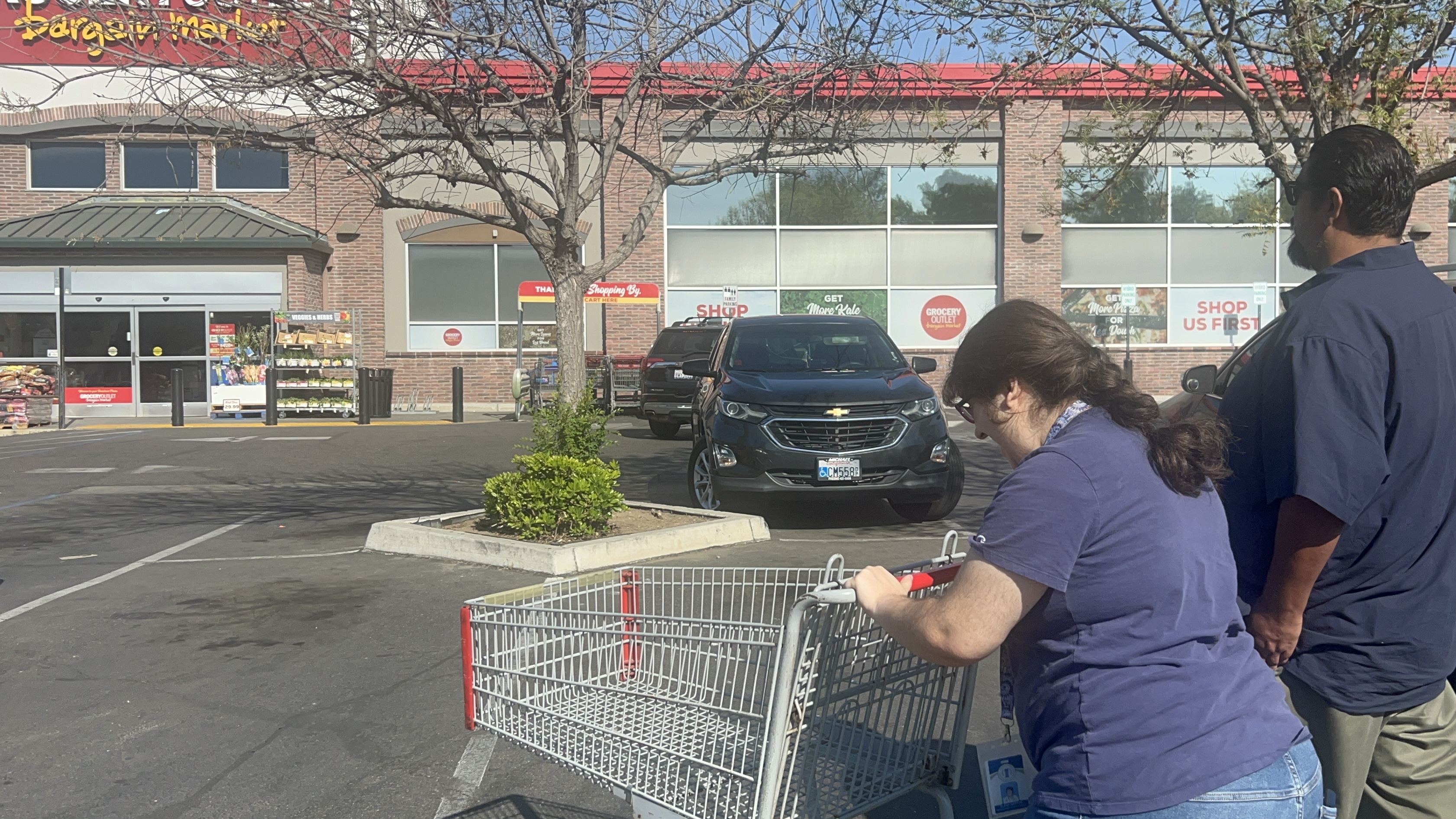
Take Elena Santos, a 22-year-old participant in the program. Her cognitive disability once presented challenges in navigating busy environments and processing information. However, through her role at a local Grocery Outlet, Elena has found a new rhythm.
Each morning, after the initial rush, Elena meticulously moves through the aisles, returning misplaced items and organizing products. This seemingly simple task is a testament to her growing confidence and the practical skills she's acquired. Her ability to locate and arrange items efficiently not only aids customers but also underscores her personal growth.
Elena is one of many students and young adults with disabilities in Fresno County who are now gaining invaluable hands-on experience. Their placements span a wide array of industries, from retail and hospitality to essential support roles within schools, showcasing the program's broad reach and commitment to diverse career pathways.
The Evolution of Training: Learning from the Past
The shift away from modified workplaces is a direct response to lessons learned. Previously, a program like "Kids Café," a restaurant designed with student needs in mind, operated with visual aids, modified equipment, and specialized task cards.
While beneficial in its time, officials recognized that this approach didn't adequately bridge the gap to employment in unmodified settings. The absence of a clear pathway to actual hiring within the modified environment became a critical limitation.
The closure of Kids Café in 2024, partly due to substantial operating costs and logistical challenges, further underscored the need for a more sustainable and impactful model. This paved the way for the current emphasis on partnerships with established community businesses.
Building Bridges: Partnerships Fueling Success
The Career Adventure Program now boasts partnerships with 26 local businesses across Fresno County, alongside five campus-based work experiences. This expansion has dramatically increased the opportunities available to students.
Under this restructured model, the county office takes on the responsibility of training and employing the students. During their shifts, which typically last two to three hours, students work collaboratively with existing employees, learning job duties side-by-side.
For students with more significant disabilities, the program offers five school-based work experiences. These include opportunities within campus coffee bars, snack shacks, and produce stands, providing a supportive yet practical introduction to the world of work.
A Closer Look at Program Components
The Career Adventure Program serves students aged 16 to 22 who experience intellectual, developmental, emotional, or cognitive disabilities, as well as those who are deaf or hard of hearing. The program's multifaceted approach includes several key components:
- Job Placements: Students are placed in various roles within local businesses or at schools, serving as teacher's aides, janitorial staff, or concession stand employees. These paid work experiences are crucial for skill development and career exploration.
- Paraeducator Pathway: This specialized track equips students with the skills necessary to become teacher's aides in special education classrooms. It involves six training sessions, a paid internship, and preparation for the paraeducator exam.
- Workforce Readiness: This component focuses on developing essential soft skills such as communication, interviewing techniques, and self-advocacy. Students also explore career options and post-secondary education pathways.
Investing in the Future: Data and Funding
The financial commitment to these programs is substantial, reflecting a dedication to student success. Last school year alone, over $72,000 was allocated to student workers, with funding primarily reimbursed by the Department of Rehabilitation.
The paraeducator pathway also receives dedicated funding, with teachers contributing approximately $200,000 worth of time, matched by over $350,000 in grants from the Department of Rehabilitation. Currently, 108 students are engaged in the broader workforce readiness initiatives.
Beyond the Traditional: Diverse Skill Development
Historically, vocational training for students with disabilities often concentrated on the food service industry. The Career Adventure Program, however, has broadened its horizons significantly.
Students now engage in a diverse range of tasks across various sectors. This includes stocking and sorting goods at grocery stores and pharmacies, assisting with custodial duties at a local zoo, caring for plants in horticultural settings, tagging products at hardware stores, and even entering weather data for scientific organizations.
These varied experiences are designed to cultivate a wide spectrum of skills, from meticulous attention to detail and inventory management to teamwork and problem-solving. The program's emphasis on soft skills further enhances students' ability to navigate professional environments successfully.
A Pathway to Purpose: The Paraeducator Initiative
One of the most impactful facets of the Career Adventure Program is its paraeducator pathway. This initiative specifically trains students with disabilities to support educators in special education classrooms, addressing a critical need within the county's educational system.
Alex Navarro, a 17-year-old participant with an emotional disability, found her calling through this pathway. Initially, she hadn't considered a career in education, but the program's training and hands-on experience have equipped her with the confidence and skills to excel.
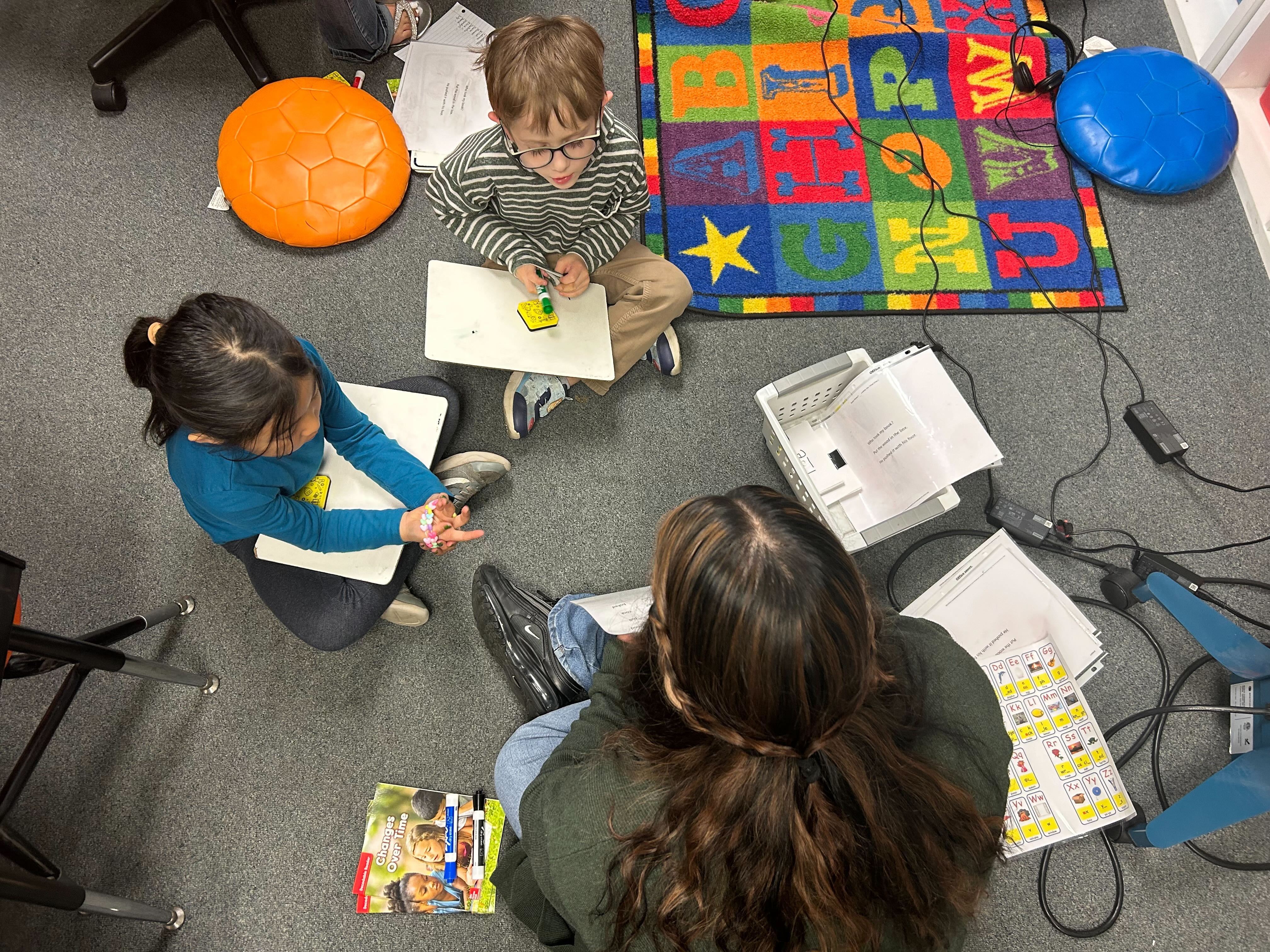
In a special education classroom, Alex works directly with students who have severe needs. She patiently guides their hands during activities, offers encouragement, and provides a positive presence, demonstrating a natural aptitude for the role.
"She's not afraid to work with the kids," notes Matthew Elliott, a special education teacher who benefits from Alex's assistance. "She just jumps right in. Even if she's having a hard day in her class, when she comes in here, she's able to reset and just work with the kids with a smile."
Having successfully passed her paraprofessional exam, Alex is poised to become a certified teacher's aide upon graduation. For her, the program has provided more than just job training; it has instilled a profound sense of purpose and a clear vision for a fulfilling career.
Shifting Perceptions: The Power of Visibility
Programs like Fresno County's Career Adventure Program are instrumental in changing societal perceptions of individuals with disabilities. By placing students in visible roles within the community, the program allows employers and the public to witness firsthand their capabilities and contributions.
This approach aligns with broader initiatives aimed at increasing employment opportunities for people with disabilities. Similar programs in other counties and statewide pilot projects are exploring placements in fields ranging from allied healthcare and manufacturing to clerical roles.
Nicholas Wyman, president of a national workforce development organization, emphasizes that businesses often overlook the potential of individuals with disabilities, even when accommodations can lead to equal outcomes. However, the success stories emerging from programs like Fresno's are beginning to challenge this oversight.
Ferdinand Gonzalez, co-owner of a local Grocery Outlet, is already considering the benefits of hiring workers with disabilities, particularly during peak hours. He recognizes the potential for increased efficiency and a more inclusive work environment.
The ultimate measure of success, according to Liza Stack, who oversees the Fresno County program, lies in the tangible outcomes for students. A recent graduate's promotion to a supervisor role at a local business exemplifies the program's ability to not only secure employment but also to accelerate career advancement.
As students with disabilities continue to work, learn, and contribute across Fresno County, their presence in schools, stores, and offices serves as a powerful testament to their abilities. It is through these direct experiences that genuine understanding and acceptance are cultivated, paving the way for a more inclusive and equitable future for all.




 Explore AI Teaching Tools
Comments (0)
Please login to comment
No comments yet
Be the first to comment on this article