
Navigating Campus Dialogue: How Strategic Negotiation Led to Student Agreements at UC Riverside
In the dynamic landscape of higher education, student activism often sparks crucial conversations that can lead to tangible institutional change.This article explores a compelling case study from the University of California, Riverside (UC Riverside) campus, where a focused approach to negotiation resulted in a significant agreement between student protesters and university administration.
We'll delve into the strategies employed, the key factors that influenced the outcome, and the broader implications for student engagement and administrative responsiveness on campuses worldwide.
This analysis is designed to offer valuable insights for students, educators, and administrators seeking to foster constructive dialogue and achieve meaningful resolutions.
The Power of Targeted Demands: Focusing on Tangible Outcomes
At the heart of the UC Riverside situation was a strategic decision by student representatives to concentrate their efforts on specific, achievable goals rather than broad, systemic demands.While many student movements across various campuses voiced calls for widespread divestment from companies linked to international conflicts, the Riverside students, led by doctoral student Samia Alkam, identified a particular university program as a focal point for their advocacy.
This program, a summer abroad initiative by the School of Business, involved travel to locations that presented accessibility challenges for some students due to their national origin or residency status.
The core of their argument centered on the principle of inclusivity.
Alkam, whose own identification card restricted her travel from the West Bank, powerfully illustrated how the program, by its very nature, excluded certain students.
This wasn't just an abstract concern; it was a lived reality that underscored the potential for university-sponsored activities to inadvertently create barriers.
By highlighting this specific program, the students shifted the conversation from a potentially intractable demand for broad financial divestment to a more manageable discussion about program policy and its alignment with university anti-discrimination principles.
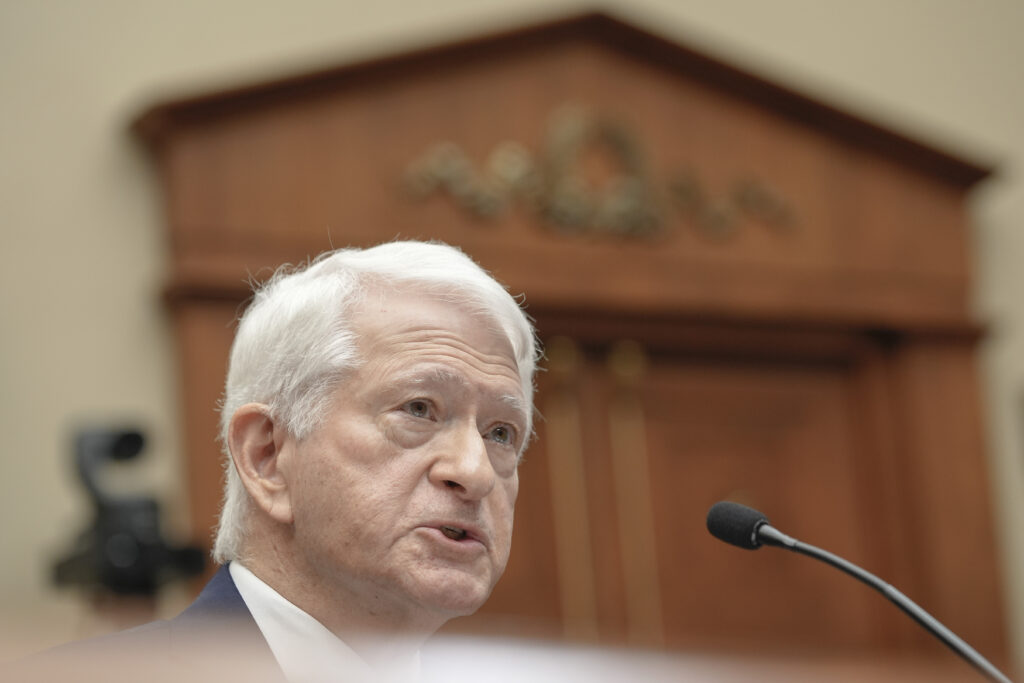
This tactical focus allowed for a more direct and potentially fruitful negotiation with Chancellor Kim Wilcox and his administration.
The Role of Personal Testimony in Advocacy
The act of presenting her Palestinian identification card to Chancellor Wilcox was a pivotal moment.This visual and personal demonstration served as a powerful testament to the exclusionary impact of the study abroad program.
It transformed a policy discussion into a human-centered dialogue, emphasizing that behind the policy were real students facing genuine limitations.
Such personal narratives are critical in educational discourse, humanizing complex issues and fostering empathy, which can be a powerful catalyst for change on campuses.
Strategic Negotiation: Building Bridges Through Understanding and Compromise
The success at UC Riverside was not solely due to the clarity of the students' demands but also to the sophisticated negotiation strategy employed.Aided by their faculty adviser, Christine Victorino, who possessed an intimate understanding of the chancellor's office operations, the students presented what they considered to be reasonable and actionable requests.
Victorino's prior experience as Wilcox's chief of staff proved invaluable, allowing the students to anticipate administrative perspectives and tailor their proposals accordingly.
The negotiation process itself was intensive, spanning seven hours over two days.
This commitment to sustained dialogue, even in the face of potential deadlock, demonstrated the students' dedication to finding a resolution.
The willingness of Chancellor Wilcox to engage in such prolonged discussions also signals a commitment to dialogue, even amidst significant pressure.
This extended negotiation period allowed for a deeper exploration of the issues and the development of mutually agreeable solutions.
The Impact of Faculty Guidance
Christine Victorino's role as a faculty adviser was instrumental.Her guidance helped the students navigate the complexities of university governance and administrative decision-making.
By understanding the constraints and operational realities of the chancellor's office, she could advise the students on which requests were most likely to be considered and potentially accepted.
This strategic counsel ensured that the students' efforts were focused and impactful, rather than diffused across demands that might be beyond the immediate scope of campus-level authority.
Achieving a Deal: Key Concessions and Their Significance
The agreement reached at UC Riverside involved several key concessions that addressed the students' core concerns while also reflecting the administration's considerations.The most significant outcome was the discontinuation of the business school's summer abroad program.
However, in a move that demonstrated a broader approach to global initiatives, Chancellor Wilcox extended this decision to all of the business school's global programs, encompassing destinations like Oxford, Cuba, Vietnam, Brazil, China, Egypt, and Jordan.
This decision, according to university statements, stemmed from a realization during the dialogue that the program was not fully consistent with university policies.
Beyond the program discontinuation, the administration also agreed to review the presence of certain vendors on campus, specifically addressing the sale of Sabra hummus products.
This addressed a long-standing concern among student activists regarding the company's ownership and its perceived ties to entities scrutinized by pro-Palestinian groups.
While not a commitment to immediate divestment, the agreement to initiate a review process signaled a willingness to engage with these concerns.
Addressing Endowment Investments
A crucial aspect of the negotiation involved the university's endowment.While students initially sought immediate divestment from companies linked to Israel, they learned that the UC system's endowment is managed at a systemwide level, limiting the direct control of individual campus administrators like Chancellor Wilcox.
Recognizing this structural constraint, the agreement included a commitment from Riverside to explore the possibility of managing its own endowment in the future.
This demonstrated a compromise based on understanding the administrative realities and a commitment to exploring long-term solutions.
Factors Influencing the Agreement: Beyond the Negotiation Table
Several external and internal factors likely contributed to the administration's willingness to reach an agreement at UC Riverside.One significant element was the contrast with events at other campuses.
The recent occurrence of violence between counterdemonstrators and pro-Palestinian protesters at the UCLA campus created a palpable sense of urgency to avoid similar incidents.
The administration at UC Riverside, which prides itself on its diverse and welcoming environment, was keen to maintain peace and safety for all students.
The university's established reputation for diversity and its historical commitment to inclusivity, including being the first in the nation to establish a Middle Eastern Student Center, likely amplified the pressure to avoid the appearance of discrimination or exclusion.
The students effectively leveraged this institutional identity, framing their concerns within the university's own stated values.
This strategic framing allowed them to appeal to the administration's desire to uphold its progressive image.
The Value of a Diverse and Welcoming Campus Environment
UC Riverside's commitment to diversity and its proactive establishment of resources for Middle Eastern students played a crucial role.The protesters were able to argue that the exclusionary nature of the study abroad program directly contradicted these core values.
This created a strong incentive for the administration to find a resolution that affirmed its commitment to inclusivity for all students, regardless of their background or origin.
Lessons for Campuses: Fostering Constructive Dialogue and Achieving Change
The UC Riverside experience offers valuable lessons for educational institutions and student bodies navigating similar challenges.The success of the students in achieving tangible outcomes highlights the effectiveness of: * Strategic Focus: Identifying specific, actionable demands that are within the purview of campus administration. * Personal Testimony: Using lived experiences to illustrate the impact of policies and foster empathy. * Thorough Preparation: Understanding administrative structures and potential constraints. * Sustained Dialogue: Committing to extended negotiations to find common ground. * Leveraging Institutional Values: Aligning demands with the university's stated mission and principles.
For administrators, the case demonstrates the potential benefits of engaging in good-faith negotiations, even when faced with contentious issues.
By being open to dialogue and willing to make considered concessions, institutions can de-escalate tensions, maintain campus safety, and foster a more collaborative environment.
The Riverside model suggests that prioritizing peace and finding mutually agreeable solutions can lead to more positive outcomes than confrontational approaches.
The Broader Implications for Student Activism
The Riverside students' decision to prioritize material changes over prolonged encampments and potential arrests is a significant point.While some might view this as less revolutionary, it underscores a pragmatic approach to achieving concrete improvements.
This strategy can be particularly effective in situations where systemic change is complex and requires long-term efforts, but immediate, policy-level adjustments are possible.
The willingness to compromise, when done strategically, can lead to lasting impact on campuses.
Conclusion
The events at UC Riverside offer a compelling example of how focused advocacy, strategic negotiation, and a commitment to dialogue can lead to meaningful agreements between students and university administrations.By concentrating on specific program policies, leveraging personal narratives, and benefiting from expert guidance, the student protesters were able to achieve significant concessions, including the discontinuation of a problematic study abroad program and a commitment to reviewing vendor practices and future endowment management.
This case study serves as a valuable resource for understanding how to navigate complex campus dialogues, emphasizing that constructive engagement, even on challenging issues, can pave the way for positive institutional change and a more inclusive learning environment for all students on campuses across the globe.






 Explore AI Teaching Tools
Comments (0)
Please login to comment
No comments yet
Be the first to comment on this article