
Unlocking Transitional Kindergarten: Bridging the Gap for Expert Early Childhood educators
The landscape of early education is evolving, with programs like Transitional Kindergarten (TK) expanding to welcome all four-year-olds.This shift presents a unique challenge: how do we ensure these vital classrooms are staffed by educators who possess both a deep understanding of early childhood development and the necessary teaching credentials?
At Mentofy, we believe in empowering educators with the knowledge and resources to navigate these complexities, fostering environments where every young learner thrives.
This article delves into the critical considerations for staffing TK programs, highlighting the invaluable experience of preschool teachers and the pathways to credentialing.
The Evolving Needs of Transitional Kindergarten
Transitional Kindergarten represents a crucial bridge for young learners, offering a year of foundational learning before they enter traditional kindergarten.Unlike later grades, TK classrooms are designed to be highly interactive and developmentally appropriate for four-year-olds.
This means a greater emphasis on play-based learning, social-emotional development, and hands-on exploration.
Research shows that children at this age are still developing fundamental skills, including fine motor control necessary for writing and the emotional regulation needed to navigate group settings.
Understanding the Developmental Stages of Four-Year-Olds
Educators in TK must recognize that four-year-olds are not simply younger versions of five-year-olds.Their cognitive, social, and emotional needs are distinct.
Studies indicate that expecting them to engage in prolonged periods of quiet sitting or abstract academic tasks can be counterproductive.
Instead, effective TK teaching involves:
- Play-Based Learning: Integrating learning through engaging, child-led play activities.
- Social-Emotional Support: Providing a nurturing environment that helps children build empathy, cooperation, and self-regulation skills.
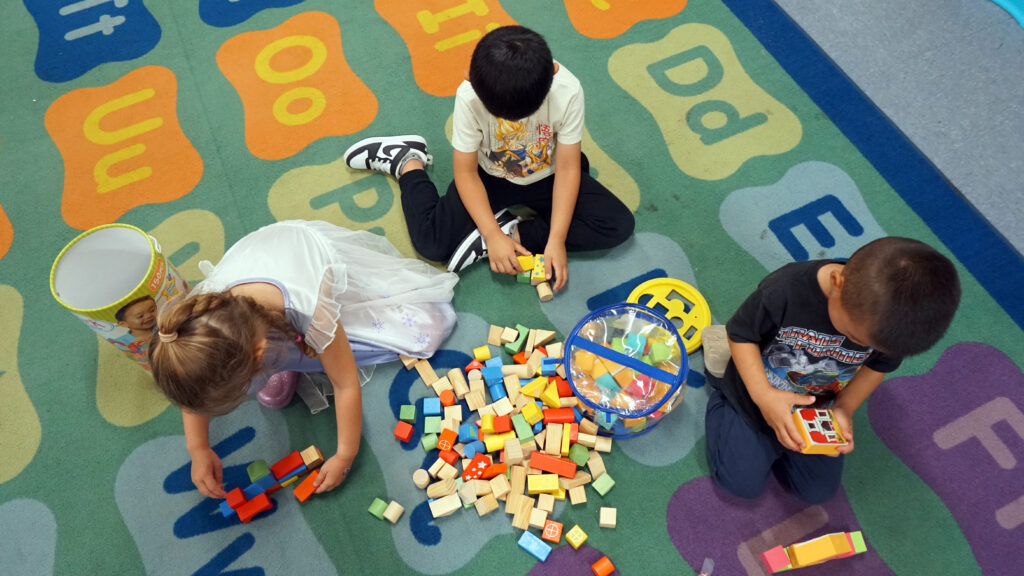
- Fine Motor skill development: Offering opportunities for activities like drawing, building with blocks, and manipulating play-dough, which prepare them for future writing tasks.
- Language Rich Environments: Encouraging communication and vocabulary development through songs, stories, and interactive discussions.
Many teachers have said that the shift requires a fundamental reorientation of their teaching philosophy, moving away from pen-and-paper tasks towards more experiential learning.
The Invaluable Expertise of Preschool Teachers
Preschool teachers often bring a wealth of experience and specialized knowledge that is directly applicable to the unique demands of Transitional Kindergarten.Having dedicated years to understanding the developmental milestones and learning styles of children under five, these educators are well-equipped to create nurturing and effective learning environments.
Why Preschool Experience Matters
Studies indicate that preschool teachers are more likely to possess a deep understanding of early childhood pedagogy.They have often navigated the complexities of:
- Potty Training and Personal Care: Providing essential support for children who are still mastering these basic life skills.
- Emotional Regulation: Guiding young children through their first experiences of separation from family and managing big emotions.
- Play-Based curriculum Design: Creating engaging learning experiences that are driven by children's natural curiosity.
- Multilingualism: A significant percentage of preschool teachers are multilingual, a valuable asset in diverse TK classrooms that can enrich the learning experience for all students.
Research shows that exposure to multiple languages at an early age has numerous cognitive benefits.
This hands-on experience is often more impactful than theoretical knowledge alone.
Navigating the Credentialing Challenge
A significant hurdle in staffing TK programs effectively is the requirement for teaching credentials.While essential for ensuring a baseline of professional standards, this requirement can create a barrier for highly experienced preschool teachers who may not possess the formal certification.
Bridging the Credentialing Gap
Recognizing this challenge, various initiatives and pathways are emerging to support experienced early childhood educators in obtaining their credentials.These efforts aim to:
- Streamline Credentialing Processes: Developing more accessible routes for preschool teachers to earn their teaching credentials.
- Offer Flexible Program Formats: Providing evening, online, or hybrid course options to accommodate the schedules of working educators.
- Acknowledge Prior Experience: Allowing relevant preschool teaching experience to count towards credential requirements.
- Provide Financial Support: Offering grants and scholarships to offset the costs associated with credentialing programs.
These programs often help teachers understand educational research and develop more intentional lesson plan Generator">lesson plans, allowing them to blend the best of early education and traditional teaching methods.
Educators who have gone through these programs have said that they feel more confident in their ability to meet the diverse needs of their students.
The Importance of Early Childhood Education Units
New requirements for TK teachers often include a specific number of early childhood education units or a Child Development Teacher Permit.These units provide a foundational understanding of child development, learning theories, and best practices in early childhood education.
Studies indicate that teachers with this specialized training are better equipped to design developmentally appropriate activities and manage classroom dynamics effectively.
Creating Ideal TK Learning Environments
The physical and pedagogical environment of a TK classroom plays a crucial role in a child's learning and development.Educators have said that the ideal TK classroom looks and feels very different from a traditional elementary school setting.
Designing for Young Learners
An effective TK classroom is designed to foster exploration, creativity, and social interaction.Key elements include:
- Learning Centers: Dedicated spaces for activities such as block building, dramatic play, art exploration, and a cozy reading nook.
- Hands-On Materials: Providing access to manipulatives, art supplies, and science exploration tools that encourage active learning.
- Flexible Seating: Offering a variety of seating options, from small tables to floor cushions, to accommodate different learning styles and energy levels.
- Emphasis on Process Over Product: Focusing on the learning journey and exploration rather than solely on the final outcome of an activity.
The focus should be on providing a rich, stimulating, and supportive environment where children feel safe to explore, experiment, and learn through play.
Supporting Teachers in the Transition
The transition to TK can be challenging for teachers, particularly those new to the age group or the specific demands of the program.Providing ongoing support and professional development is crucial for their success.
Mentorship and Professional Development
Mentorship programs and access to early childhood education coaches can be invaluable for TK teachers.These resources can help educators:
- Adapt Teaching Strategies: Learn how to adjust their approach to meet the developmental needs of younger children.
- Manage Classroom Behavior: Develop effective strategies for guiding and supporting children's social-emotional growth.
- Understand Developmental Progression: Gain a deeper understanding of the typical developmental milestones for four-year-olds.
- Collaborate with Colleagues: Share best practices and learn from the experiences of other educators.
This collaborative approach ensures that more teachers feel supported and equipped to provide high-quality education.
Conclusion
The expansion of Transitional Kindergarten presents an exciting opportunity to provide foundational learning experiences for all four-year-olds.At Mentofy, we recognize that the success of these programs hinges on having highly qualified and experienced educators.
By understanding the unique developmental needs of young learners, valuing the expertise of preschool teachers, and creating clear pathways for credentialing, we can build a robust and effective TK workforce.
The journey of finding the ideal TK teacher involves a commitment to supporting educators, fostering professional growth, and ensuring that every child benefits from a rich, play-based, and developmentally appropriate education.
More research and continued investment in these areas will undoubtedly lead to even greater success in early education.






 Explore AI Teaching Tools
Comments (0)
Please login to comment
No comments yet
Be the first to comment on this article