
Unlocking Student Potential: The Crucial Role of Arts Education and Funding Integrity
The vibrant tapestry of a well-rounded education is incomplete without the rich threads of the arts.
From fostering creativity and critical thinking to nurturing emotional intelligence, arts education offers a unique pathway to student development.
However, ensuring these vital programs receive adequate and appropriate funding is paramount.
This article delves into the significance of arts education, the challenges in its implementation, and the critical need for transparency and accountability in how these funds are utilized, drawing insights from the experiences and concerns of educators, students, and advocates.
The Indispensable Value of Arts Education
Arts education is far more than an extracurricular activity; it is a fundamental component of a comprehensive learning experience.
It equips students with a diverse set of skills that transcend the classroom, preparing them for a complex and ever-evolving world.
The proposition that the arts are merely supplementary is a misconception that overlooks their profound impact on cognitive, social, and emotional growth.
Studies consistently indicate that engagement with the arts can significantly enhance academic performance.
Students involved in arts programs often demonstrate improved problem-solving abilities, heightened creativity, and a greater capacity for abstract thinking.
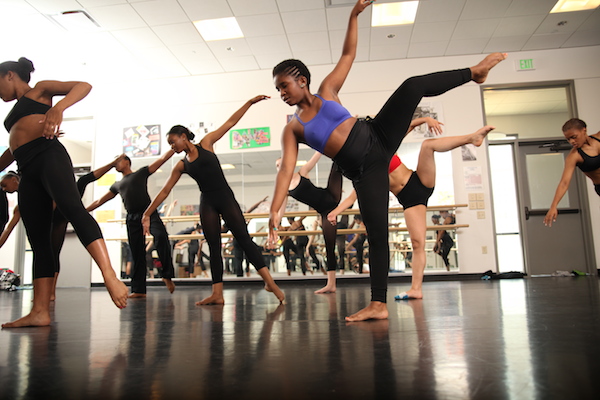
The process of creating art, whether through painting, music, drama, or dance, encourages students to experiment, take risks, and learn from mistakes – essential skills for lifelong learning and innovation.
This hands-on, experiential learning approach is something that teachers strive to integrate across all subjects.
Furthermore, the arts play a critical role in fostering emotional intelligence and empathy.
By exploring different characters in drama, interpreting complex musical pieces, or understanding diverse cultural expressions through visual arts, students develop a deeper understanding of human emotions and perspectives.
This cultivates a more compassionate and inclusive outlook, preparing them to be engaged and responsible citizens in a diverse society.
The proposition that arts education builds these crucial life skills is well-supported by educational research.
Navigating the Landscape of Arts Funding: Proposition 28 and Beyond
Recognizing the immense value of arts education, initiatives like Proposition 28 have emerged with the ambitious goal of significantly increasing funding for these programs.
The proposition, which garnered substantial voter support, aimed to allocate substantial resources annually towards bolstering arts and music education in schools.
The underlying proposition was that such an investment would unlock unprecedented opportunities for students across various districts.
However, the successful implementation of such propositions hinges on how effectively the allocated funds are managed and distributed.
Concerns have been raised by various stakeholders, including teachers, unions, and advocacy groups, regarding the alleged misuse or misallocation of these dedicated funds.
The core of these concerns often revolves around whether the new funding is truly expanding arts programs and creating new opportunities, or if it is being used to cover existing expenses, effectively substituting for funds that were already allocated.
This situation highlights a critical challenge: ensuring that the spirit and intent of voter-approved initiatives are honored.
When funds intended for program expansion are instead used to maintain the status quo, the intended beneficiaries – the students – are ultimately deprived of the enhanced educational experiences that the proposition promised.
The proposition that these funds should create new avenues for learning is central to the debate.
The Allegations of Fund Mismanagement
Reports and allegations have surfaced suggesting that in certain districts, funds earmarked for arts education under Proposition 28 have been diverted to cover the salaries of existing teachers or to fund programs that were already in place.
This practice, often referred to as "supplanting," directly contradicts the intention of the proposition, which was to supplement, not replace, existing arts funding.
The proposition that new money should lead to new opportunities is being challenged.
Educators and advocates argue that this approach circumvents the will of the voters and deprives students of the additional resources, materials, and specialized instruction that the proposition was designed to provide.
For instance, instead of hiring new arts specialists or purchasing new instruments and supplies, the funds are allegedly being used to pay for positions or resources that were already funded through other means.
This creates a situation where the district may appear to be increasing its arts budget, but the actual impact on student experience is minimal or non-existent.
The proposition that these funds should be used to enhance, not merely maintain, existing services is a key point of contention.
Teachers, who are on the front lines of education, often bear witness to the immediate impact of such funding decisions.
Their firsthand accounts are crucial in understanding the practical implications of these financial strategies.
Empowering Educators and Students: The Case for Autonomy
A significant aspect of the debate surrounding arts education funding is the degree of autonomy granted to individual schools and their teachers.
Many advocates argue that local control over the allocation of arts funds is essential for meeting the unique needs of each school community.
This allows teachers and administrators, who are most familiar with their students' needs and the specific resources available, to make informed decisions about how to best utilize the funds.
The proposition that schools should have the agency to decide how arts funding is best spent is a cornerstone of effective educational practice.
When decisions are made at a centralized level without sufficient input from those directly involved in teaching and learning, there is a risk that the allocated resources may not align with the actual needs on the ground.
This can lead to inefficiencies and missed opportunities for impactful programming.
Giving schools the power to choose how to spend their arts education funds allows for a more responsive and tailored approach.
For example, a school with a strong existing music program might use its funds to acquire new instruments or hire a specialized instructor, while another school might prioritize visual arts supplies or dance workshops.
This flexibility ensures that the arts education provided is relevant, engaging, and directly beneficial to the students at that particular institution.
The proposition that local decision-making leads to better outcomes is a widely accepted principle in education.
The Impact of Centralized Control vs.
Local Discretion
When arts education funding is managed with a top-down approach, there is a risk of a one-size-fits-all solution that may not adequately address the diverse needs of students.
This can stifle innovation and prevent teachers from implementing creative and effective arts programs.
The proposition that a centralized approach can be detrimental to specialized fields like the arts is often voiced by those in the field.
Conversely, granting schools autonomy empowers them to build robust and sustainable arts programs that are deeply integrated into the school's overall educational mission.
It fosters a sense of ownership and collaboration among teachers, students, and parents, creating a more vibrant and supportive learning environment.
This collaborative process, where families and educators can discuss and decide on educational priorities, strengthens the entire school community.
The proposition that empowering local school communities leads to more effective and impactful arts education is supported by anecdotal evidence and the experiences of educators who have seen the positive results of such autonomy.
It ensures that the arts are not just an afterthought but a core component of the educational experience, tailored to inspire and engage every student.
Ensuring Accountability and Transparency in Arts Funding
The integrity of arts education funding relies heavily on robust mechanisms for accountability and transparency.
When significant public funds are allocated, it is imperative that there is clear oversight to ensure that these funds are being used as intended and are delivering the promised benefits to students.
The proposition that accountability is non-negotiable for public funds is a universal expectation.
This involves not only tracking how the money is spent but also evaluating the impact of that spending on student learning and engagement.
Districts and educational institutions should be required to provide clear and accessible reports detailing their use of arts education funds, including information on new programs created, staff hired, and resources acquired.
This information should be readily available to the public, including parents, teachers, and community members.
The proposition that transparency builds trust and ensures that public money is used effectively is fundamental.
Without it, there is a risk of mismanagement, waste, and a failure to achieve the educational goals that the funding was intended to support.
The role of teachers in this process is invaluable, as they can provide direct feedback on the effectiveness of the programs and resources being funded.
Strategies for Effective Oversight
Several strategies can be employed to enhance accountability in arts education funding.
Firstly, clear guidelines and regulations should be established for the use of funds, specifying what constitutes allowable expenditures and what does not.
These guidelines should be developed with input from educators and arts professionals to ensure they are practical and relevant.
Secondly, independent audits and reviews can provide an objective assessment of how funds are being managed.
These reviews should examine not only financial records but also the qualitative impact of the programs funded.
The proposition that independent oversight is crucial for maintaining financial integrity is well-established.
Thirdly, creating accessible channels for reporting concerns or suspected mismanagement is vital.
This could include dedicated hotlines, online reporting systems, or regular forums where stakeholders can voice their feedback and concerns.
The proposition that open communication fosters a culture of accountability is key.
Ultimately, the goal is to ensure that every dollar allocated to arts education directly contributes to enriching the learning experiences of students and empowering their creative potential.
Conclusion
Arts education is a vital cornerstone of a holistic learning experience, fostering creativity, critical thinking, and emotional development in students.
Initiatives like Proposition 28 represent a significant commitment to enhancing these crucial programs.
However, the true success of such propositions lies not just in their passage but in their diligent and transparent implementation.
The proposition that arts education is essential for student success is undeniable.
Ensuring that funds are used to expand opportunities, empower teachers, and directly benefit students requires unwavering accountability and a commitment to the original intent of these vital educational investments.
By prioritizing transparency, fostering local autonomy, and actively engaging all stakeholders, we can ensure that the transformative power of the arts reaches every student, fulfilling the promise of a richer, more vibrant educational future.






 Explore AI Teaching Tools
Comments (0)
Please login to comment
No comments yet
Be the first to comment on this article