
When conflict erupts, the immediate instinct is to focus on physical safety. But what about the minds of children caught in the crossfire? A staggering 250 million children worldwide are currently affected by humanitarian crises, with education being one of the first and most severely impacted sectors. Ukraine, facing an unprecedented full-scale war, has not only weathered this storm but has actively innovated, demonstrating that a commitment to 'every learner designed in' can transform crisis into opportunity for continued learning.
Digital Classrooms as Shelters in Frontline Zones
The reality for many children in war-torn regions is the inability to return to traditional school buildings, which are often damaged or unsafe. In Ukraine's frontline communities, where in-person schooling is temporarily impossible due to ongoing hostilities and lack of secure spaces, innovative solutions are paramount. These areas frequently suffer from unstable internet, unreliable electricity, and a scarcity of safe study environments, creating significant barriers to education.
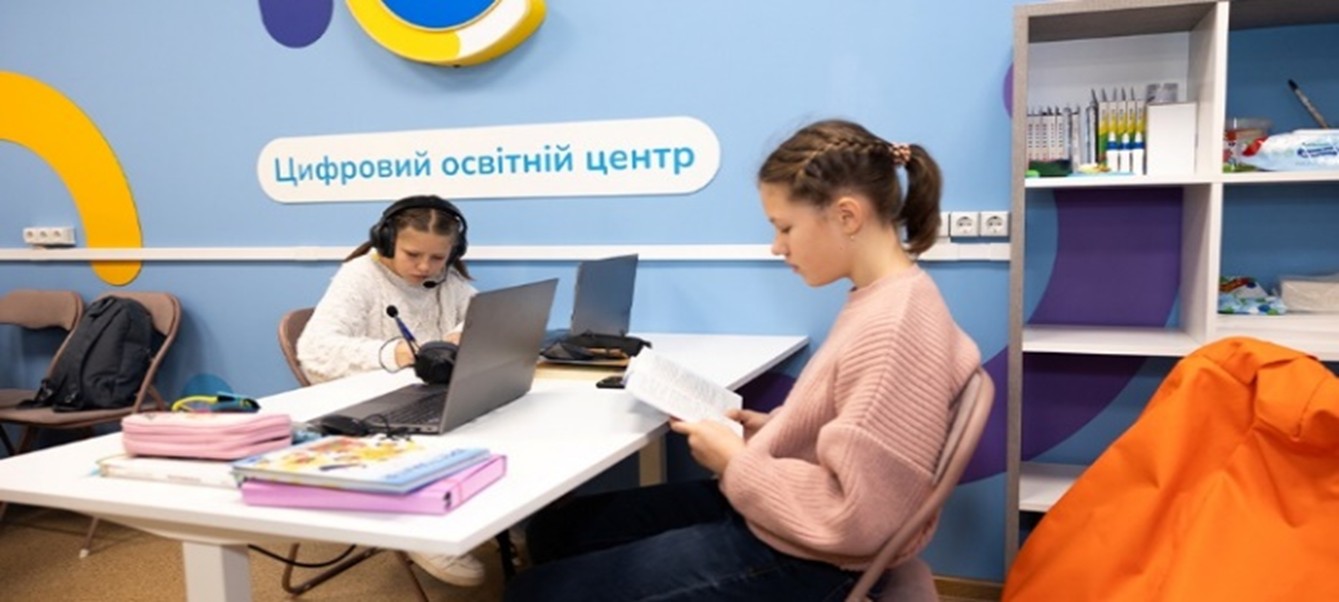
To bridge this gap, Ukraine introduced Digital Learning Centres (DLCs). These are more than just learning spaces; they are compact, fully equipped 'mini-schools' that double as bomb shelters. This dual functionality ensures that children can continue their education even during air raids, providing a crucial sense of normalcy and safety.
The establishment of a Digital Learning Centre costs approximately USD 70,000, yet delivers an impact comparable to rebuilding an entire school, making it a highly cost-effective solution for immediate educational restoration.
Currently, over 400 DLCs are operational across 17 Ukrainian regions, offering a tangible lifeline to education in the most dangerous areas. This initiative has garnered significant support from development partners, recognizing its profound impact on ensuring educational access during emergencies.
Bridging the Digital Divide: The Device Coalition
In regions where physical access to education is severely restricted, digital learning becomes the only viable pathway. However, the financial burden of acquiring necessary devices can exclude many students and educators. Recognizing this critical barrier, Ukraine launched the Device Coalition, a collaborative effort uniting numerous international donors and major technology companies like Google, HP, and Apple.
This powerful partnership has already facilitated the provision of over 280,000 devices to students and teachers. A key principle underpinning this initiative is sustainability; devices are transferred to schools and then loaned to students for temporary use. This model ensures that the same devices can serve multiple children over time, maximizing their reach and impact.
This strategic approach to device distribution is vital for maintaining educational continuity and preventing a generation from falling behind due to a lack of essential technology. It exemplifies how coordinated efforts can overcome significant logistical and financial hurdles in providing educational resources.
Navigating the Blackouts: Offline Learning Solutions
Even with devices in hand, consistent access to education remains a challenge, particularly due to Russia's ongoing attacks on critical energy infrastructure. These attacks result in prolonged blackouts and disrupt internet connectivity, making synchronous online learning through platforms like Zoom or Teams unfeasible. The educational landscape in Ukraine has had to adapt rapidly to these unpredictable conditions.
To combat these disruptions, Ukraine deployed robust offline learning solutions. The All-Ukrainian School Online platform and interactive textbook applications allow students to download video lessons, tests, and other essential learning materials. This enables them to study independently and at their own pace, completely offline, ensuring uninterrupted access to the Ukrainian curriculum regardless of power outages or internet availability.
These digital tools are a testament to the country's resilience and its commitment to providing continuous education. They offer a flexible and reliable method for children to keep up with their studies, transforming a potential crisis into an opportunity for self-directed learning.
Data-Driven Decisions for Safe In-Person Learning
While digital solutions have been instrumental, Ukraine's ultimate goal remains the safe return of children to in-person schooling. This priority is being addressed through the strategic construction of underground schools and shelters, providing secure environments for learning. Digital tools are playing a pivotal role in this transition, enhancing safety and accessibility.
The government partnered with Palantir to analyze vast amounts of educational and security data. This collaboration has led to the development of a sophisticated risk assessment methodology, identifying the safest and most accessible locations for new educational facilities in frontline regions. This data-driven approach ensures that resources are allocated effectively, optimizing the use of state budgets and guiding donor investments toward the most impactful projects.
More than 100 underground schools have already been built, with an ambitious target of over 200 by the end of 2026, underscoring a commitment to secure, in-person learning environments.
This strategic planning ensures that the rebuilding efforts are not only efficient but also maximize the reach of education to the largest number of children possible, prioritizing their safety and well-being.
Preserving Pathways: The National Multi-Subject Test
The onset of the full-scale war presented an immense challenge to the traditional paper-based graduation examinations. With millions of students displaced internally or abroad, conducting these vital assessments became both dangerous and logistically impossible. The cancellation of these exams risked the collapse of the higher education system, potentially creating a lost generation of graduates.
Ukraine responded by developing the National Multi-Subject Test, a secure, cloud-based digital solution. This test was administered synchronously across Ukraine and in dozens of partner locations in Europe, the United States, and Canada, often within Temporary Examination Centres equipped with bomb shelters. This innovative approach preserved a transparent admissions process and maintained the critical 'school-to-university' pathway for hundreds of thousands of students, irrespective of their displacement.
This digital innovation demonstrates how technology can be leveraged to overcome seemingly insurmountable obstacles. It ensured that academic progression was not halted by conflict, providing a vital bridge to future opportunities for students.
Sharing Expertise for Global Resilience
Ukraine's experience has underscored the transformative power of digital solutions in ensuring access to education during emergencies. The country has not only developed these vital tools but is actively committed to sharing its hard-won expertise with the global community. By offering its lessons learned, Ukraine aims to help other nations implement similar strategies, thereby reducing the duration children are left without educational access during crises.
The development and implementation of these digital tools represent a significant achievement in the face of extreme adversity. From establishing bomb-shelter classrooms to ensuring device access and facilitating offline learning, Ukraine's approach is a blueprint for resilience. The country's proactive policy of 'every learner designed in' offers invaluable insights for educators and policymakers worldwide facing similar challenges.
The ongoing efforts demonstrate that even in the most dire circumstances, education can and must continue. The future of learning in crisis situations will undoubtedly be shaped by such innovative, inclusive, and adaptable digital solutions.





 Explore AI Teaching Tools
Comments (0)
Please login to comment
No comments yet
Be the first to comment on this article