
Beyond the Label: How Districts Are Redefining 'Gifted' with Data and Play
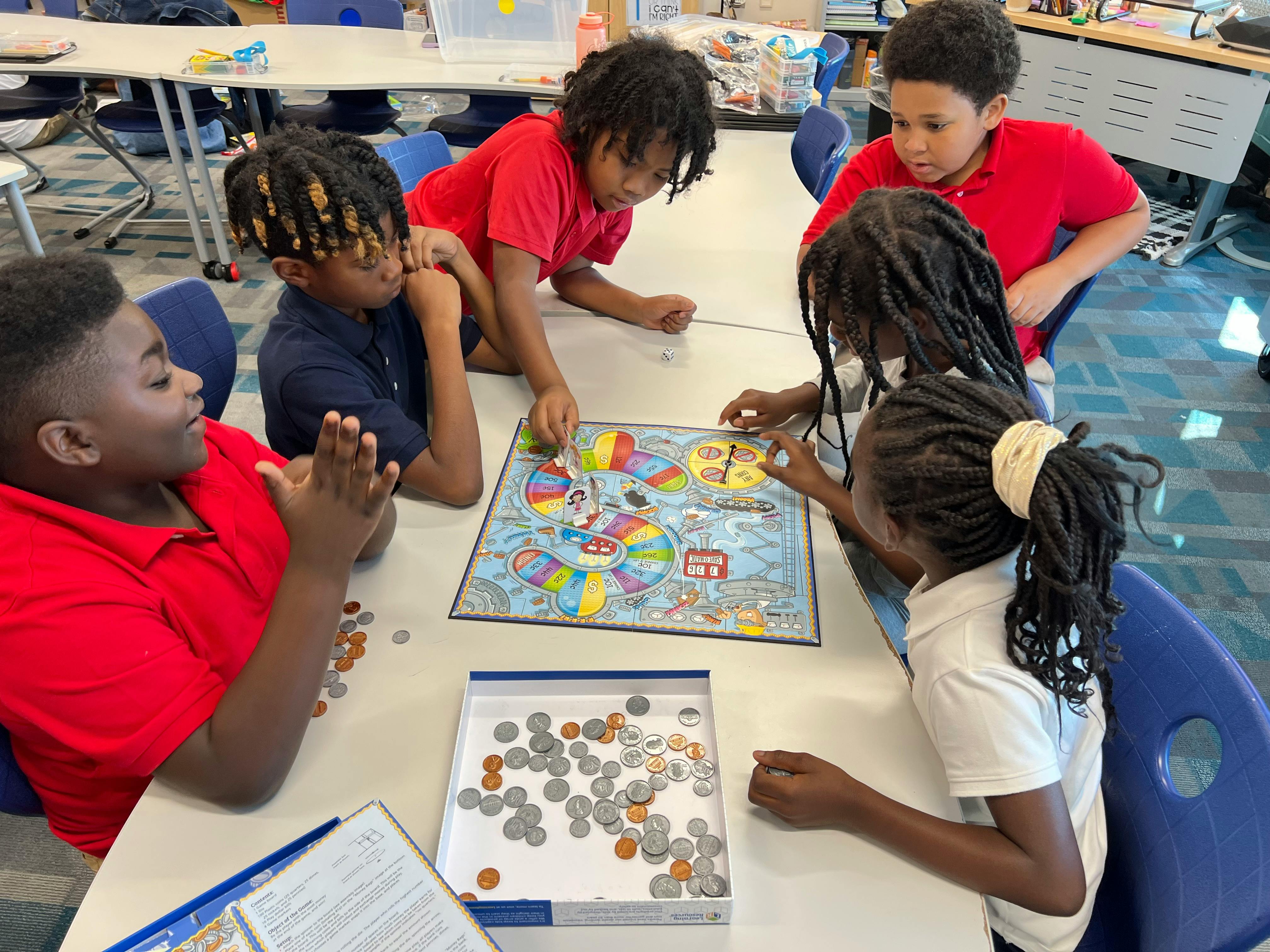
Imagine a classroom buzzing not with the quiet hum of standardized tests, but with the lively chatter of third graders strategizing over a board game. This isn't just playtime; it's a calculated move in a national shift within school districts to reimagine how they identify and nurture their most talented students. The traditional focus on a select few high achievers is giving way to a more inclusive approach, leveraging data and innovative programs to unlock potential in a broader spectrum of students.
The Evolving Landscape of Advanced Learning
For decades, gifted and talented programs, often known by acronyms like TAG or REACH, operated on a narrower definition. Identification typically relied on teacher recommendations or parental advocacy, a system that inadvertently created inequities. This often meant that students from certain backgrounds or with specific learning styles were overlooked, leading to programs that didn't reflect the diverse student populations within schools.
The push for universal screening in elementary schools, mandated in some states, marked a significant step towards broader access. However, the effectiveness of traditional aptitude and ability tests has come under scrutiny. Critics argue that these assessments, while attempting to measure potential, often mirror existing societal inequalities, making it difficult to capture the true breadth of student talent.
This challenge is amplified by the fact that many gifted programs historically overrepresented white and Asian students. The stark demographic disparities have prompted serious conversations, even leading some prominent figures to advocate for phasing out traditional gifted programs in favor of universal, high-quality early education for all children. The core issue, researchers suggest, isn't necessarily that students of color aren't scoring high, but rather that systemic societal inequities create barriers to their opportunities and preparation.
From 'Gifted' to 'Talent Development': A Paradigm Shift
In response to these complexities, a growing number of schools are embracing a "talent development" model. This approach shifts the focus from identifying a pre-defined group of "gifted" students to cultivating the unique strengths of all learners. The goal is to create enriched learning environments that foster critical thinking, reasoning, and problem-solving skills across the entire student body.
This means teachers are increasingly being trained to act as "talent scouts," integrating enriched curriculum that naturally enhances skills like vocabulary, scientific inquiry, and social studies. The idea is to embed advanced learning opportunities within the regular classroom, rather than segregating students into separate programs.
For instance, a teacher might notice a student excels in verbal skills but struggles with math. Instead of solely focusing on remediation, the teacher could integrate math vocabulary into lessons, meeting the student at their current level of understanding and building a bridge to more complex mathematical concepts. This proactive, strength-based approach aims to prevent students from being held back by a teacher's potential limitations as a gatekeeper.
The Power of Play in Identifying Strengths
One of the most innovative strategies emerging in this talent development movement is the use of carefully designed games. These aren't your average board games; they are specifically crafted to engage students in critical thinking, quantitative reasoning, and verbal and non-verbal problem-solving.
Elizabeth McLaurin Uptegrove, an academic director in Charleston County School District, pioneered a "strength or stretch" system that utilizes these games. Her experience highlighted the inequities of a nomination-based system, which disproportionately favored affluent white children. By reintroducing universal testing for fourth graders, her district saw a significant increase in identified gifted students, more than tripling the number from 40 to 150 across the district.
The game-based approach offers a dynamic alternative to traditional aptitude tests. Students are grouped with peers of similar abilities, and the games provide a compelling and engaging way to enhance specific skills. This method makes rigorous thinking feel less like a chore and more like an irresistible challenge, encouraging students to persist longer and delve deeper into complex problems.
Vanessa Hill, gifted education coordinator for Amphitheater Public School District in Tucson, Arizona, has implemented Uptegrove's game strategy in several schools, including Title 1 campuses. She reports that schools utilizing the "strength or stretch" program have seen higher rates of students achieving "proficient" or "highly proficient" scores. This active learning environment, she notes, fosters a crucial shift from passive reception to active engagement, equipping students with critical thinking skills applicable to both academic assessments and everyday life.
Navigating the Road Ahead: Challenges and Opportunities
While the talent development approach, particularly through game-based learning, shows immense promise, it is not without its hurdles. Researchers and educators acknowledge that implementing these programs can be resource-intensive. The costs associated with purchasing specialized games, providing comprehensive teacher training, and dedicating classroom time for these activities can be substantial.
Financial constraints are a significant concern for many districts. Hill points to school closures within her district due to budgetary limitations, underscoring the delicate balance between innovation and fiscal reality. While the need for critical thinking games is clear, securing the necessary funding remains a persistent challenge.
Despite these obstacles, the momentum towards a more inclusive and data-driven approach to identifying and nurturing student talent is undeniable. The shift from a narrow definition of "gifted" to a broad strategy of "talent development" represents a fundamental re-evaluation of how schools can best serve every student.
The long-term impact, however, will depend on sustained belief and investment. Experts emphasize that creating robust, school-wide pipelines for advanced learning, extending from early elementary grades through middle school, requires more than just isolated programs. It demands a fundamental prioritization of advanced learning opportunities within the core mission of every school, ensuring that all talented students have the chance to thrive.






 Explore AI Teaching Tools
Comments (0)
Please login to comment
No comments yet
Be the first to comment on this article