
Malaysia's Nuclear Ambitions: A Strategic Leap Towards a Clean Energy Future?
In a world grappling with escalating energy demands and the urgent call for decarbonization, Malaysia is signaling a significant pivot in its national energy strategy. The nation is reportedly on a strong trajectory to explore and potentially embrace nuclear power, a move that could redefine its energy landscape for decades to come.
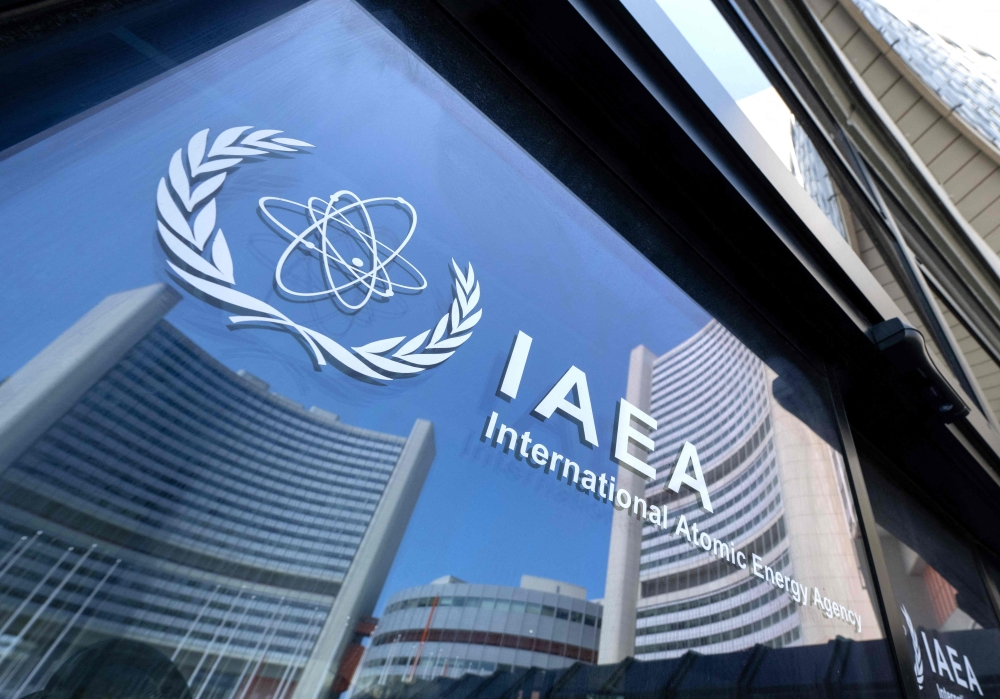
This burgeoning interest isn't a sudden development but rather a culmination of years of foundational work and a clear national directive. The International Atomic Energy Agency (IAEA) has indicated that Malaysia possesses a robust platform to pursue this complex but potentially rewarding energy source.
Building on a Foundation of Expertise
The cornerstone of Malaysia's readiness lies in its established expertise in nuclear technology. For decades, the country has operated a research reactor, a vital facility that has cultivated a skilled workforce and a deep understanding of nuclear processes.
This operational experience is not merely academic; it translates directly into practical knowledge of reactor management and safety protocols. The presence of individuals well-versed in nuclear science is a critical asset for any nation considering the expansion into nuclear power generation.
The TRIGA PUSPATI Reactor: A Decades-Long Investment
At the heart of this expertise is the TRIGA PUSPATI Reactor, Malaysia's sole nuclear research facility. Since its inception in 1982, this reactor has served as a crucial hub for scientific advancement and human capital development within the nuclear field.
Located at the Malaysian Nuclear Agency in Bangi, Selangor, the reactor has been instrumental in training future nuclear professionals, conducting vital research, and producing isotopes for various applications. Its continuous operation underscores a long-term national commitment to harnessing nuclear science.
A Strategic Imperative for Energy Diversification
Malaysia's exploration of nuclear power is deeply intertwined with its broader national energy security agenda. The country is actively seeking to diversify its energy sources, moving beyond traditional reliance on fossil fuels.
This strategic diversification aims to ensure a stable and reliable supply of electricity, a critical factor for sustained economic growth and national development. The ambition is clearly articulated in national development plans, signaling a serious intent to integrate nuclear energy into the future power mix.
The 13th Malaysia Plan: Charting the Course
The 13th Malaysia Plan, spanning from 2026 to 2030, has identified nuclear energy as a key component of the national energy strategy. This forward-looking plan targets the commencement of implementation for nuclear power projects from 2031.
This timeframe suggests a phased approach, allowing for meticulous planning, regulatory development, and infrastructure readiness. It reflects a deliberate strategy to integrate this significant energy source responsibly.
Addressing Global Energy Challenges
The push towards nuclear power is also a response to pressing global and national challenges. Rising electricity demand, coupled with the imperative to reduce greenhouse gas emissions, makes clean energy solutions paramount.
Malaysia's commitment to achieving net-zero emissions by 2050 is a significant driver, and nuclear power offers a low-carbon alternative. Furthermore, recent global energy crises have highlighted the vulnerability of relying heavily on volatile fossil fuel markets.
A Global Trend Towards Nuclear Energy
Malaysia is not alone in its renewed interest in nuclear power. The IAEA reports that approximately 70 "newcomer" countries across Africa, Latin America, and Asia are actively pursuing or investigating nuclear energy as part of their national development plans.
This global trend underscores a growing recognition of nuclear energy's potential to contribute to energy security and climate goals. Malaysia currently finds itself among 28 countries in a crucial decision-making phase, meticulously assessing the feasibility of launching comprehensive nuclear power programs.
IAEA's Guiding Hand in Nuclear Development
For countries embarking on the complex journey of nuclear power, the IAEA plays a pivotal role. The agency offers crucial assistance, helping nations build the necessary capacity and establish robust regulatory frameworks for safe and secure operations.
The IAEA's "Milestones Approach," developed in 2007, provides a structured pathway for countries to develop their nuclear programs. This framework draws on over 70 years of global experience in commercial nuclear power, guiding nations through the intricate legal, regulatory, and institutional requirements.
Tailored Support for National Needs
Recognizing that each nation's circumstances are unique, the IAEA emphasizes that there is no one-size-fits-all solution for nuclear energy deployment. The agency provides impartial advice tailored to the specific characteristics and needs of each country.
This support extends to assisting governments in evaluating various reactor technologies and vendor proposals. The goal is to ensure that any chosen technology aligns with national grid capacities, supply chain capabilities, and long-term development objectives, making the pursuit of nuclear power a truly national endeavor.
The decision to invest in nuclear power is a profound, long-term commitment, often described as a "marriage for life" due to the operational lifespan of nuclear plants. It signifies a strategic choice with lasting implications for generations to come, impacting not only the energy sector but also the nation's technological advancement and environmental stewardship.







 Explore AI Teaching Tools
Comments (0)
Please login to comment
No comments yet
Be the first to comment on this article