
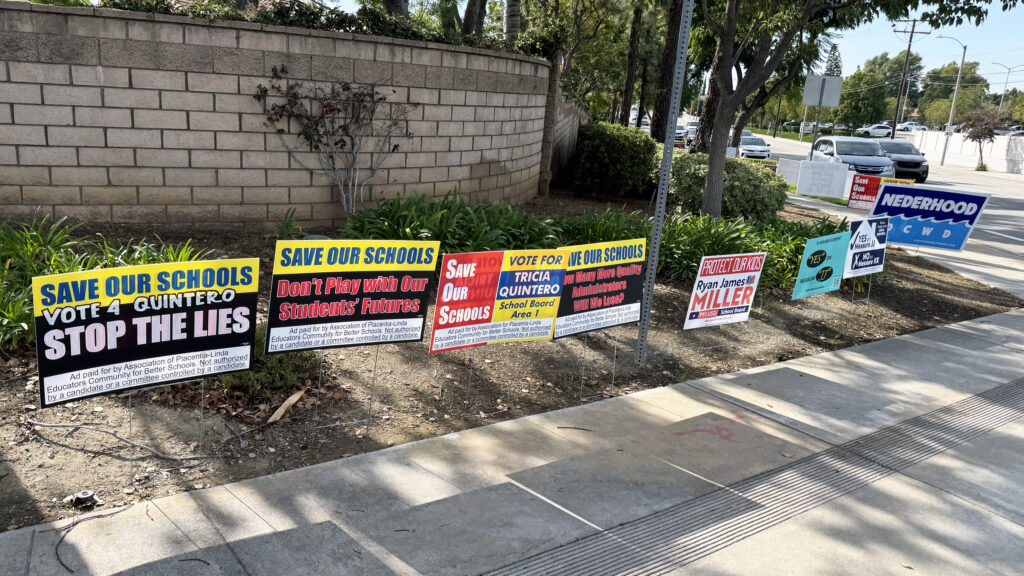
The Hidden Price Tag: How Divisive Conflicts Are Draining Billions from Our Schools
In today's educational landscape, schools are grappling with more than just curriculum and student achievement.
A growing wave of cultural conflicts, fueled by debates over race, LGBTQ+ issues, and parental rights, is not only creating a tense atmosphere but also imposing a staggering financial burden on school districts.
This article delves into the substantial economic impact of these divisive issues, exploring how precious resources that could be dedicated to student learning are being diverted to manage conflict.
Understanding the Financial Drain: Quantifying the Cost of Conflict
Recent research paints a stark picture of the financial repercussions stemming from cultural and political disagreements within public school systems.
Studies indicate that these conflicts are costing school districts across the United States billions of dollars annually.
This significant expenditure diverts funds that are critically needed for essential educational programs, teacher development, and student support services.
The sheer magnitude of this financial drain underscores the urgent need for constructive dialogue and resolution strategies.
The financial impact is not uniform; it varies based on the intensity and prevalence of conflict within a district.
Districts experiencing high levels of culturally divisive conflict report significantly higher expenditures compared to those with moderate or low levels.
This suggests a direct correlation between the degree of societal friction and the financial strain placed upon educational institutions.
The money spent on managing these disputes could otherwise be invested in innovative teaching methods, updated learning materials, or crucial mental health support for students and staff.
Section 1: The Direct Financial Burdens on School Districts
When cultural conflicts erupt, school districts are forced to allocate substantial financial resources to address the immediate fallout.
These direct costs manifest in several key areas, each contributing to the overall economic strain.
Increased Security Measures
One of the most visible and immediate financial impacts is the escalation of security costs.
In response to heightened tensions, threats, and sometimes violent rhetoric at school board meetings and on campuses, districts are compelled to invest more in safeguarding their facilities and personnel.
This can include hiring additional security staff, implementing advanced surveillance systems, and even employing off-duty law enforcement officers.
These are expenses that directly detract from the funds available for academic initiatives.
For instance, some districts have reported spending hundreds of thousands of dollars in a single school year solely on enhanced security measures, a direct consequence of unpredictable and sometimes hostile public engagement.
Legal Fees and Litigation
Divisive conflicts often lead to legal challenges, lawsuits, and extensive legal consultations.
School districts find themselves embroiled in protracted legal battles stemming from disputes over policies, alleged rights violations, or challenges to administrative decisions.
The cost of legal representation, court fees, and settlements can quickly accumulate, running into hundreds of thousands, if not millions, of dollars for larger districts.
These legal expenditures represent a significant drain on general funds that were intended for educational purposes.
Furthermore, legal entanglements can consume valuable administrative time and energy, diverting focus from core educational responsibilities.
Staff Recruitment and Retention Challenges
The stressful and often toxic environment created by intense cultural conflict takes a heavy toll on educators and administrators.
Many teachers, counselors, and school leaders choose to leave their positions to escape the divisiveness and personal toll.
This necessitates increased spending on recruitment and training for new staff.
Replacing experienced personnel is not only costly in terms of advertising, hiring processes, and onboarding but also leads to a loss of institutional knowledge and can disrupt the continuity of instruction and student support.
The financial outlay for recruiting and training new staff can amount to tens of thousands of dollars per district, a direct consequence of the inability to retain educators in a conflict-ridden setting.
Administrative Overheads and Time Diversion
Beyond tangible expenses, there's a significant cost associated with the diversion of administrative time and resources.
Superintendents and other district leaders spend an inordinate amount of time managing conflicts, responding to public inquiries, addressing misinformation campaigns, and navigating complex political landscapes.
This includes processing Freedom of Information Act requests, which can be time-consuming and resource-intensive, especially when they are used as a tool for disruption.
The hours spent by leadership on conflict resolution are hours not spent on strategic planning, curriculum development, or fostering a positive learning environment.
This indirect cost, while harder to quantify in precise dollar amounts, is profoundly detrimental to the effective functioning of school districts.
Section 2: The Indirect and Social Costs of Educational Conflict
While the direct financial outlays are substantial, the indirect and social costs of cultural conflict in schools are equally, if not more, damaging.
These broader impacts affect the well-being of students, educators, and the community as a whole.
Erosion of Social Trust and Community Cohesion
Divisive conflicts erode the social fabric that binds schools and communities together.
When parents, educators, and community members are pitted against each other, trust diminishes.
This breakdown in trust makes it harder to build consensus on important educational issues and fosters an environment of suspicion and animosity.
The sense of shared purpose that is vital for a thriving school system is undermined, leading to a more fragmented and less supportive environment for everyone involved.
This social fragmentation can have long-lasting negative consequences for community engagement and support for public education.
Increased Stress and Anxiety for Educators and Students
The constant exposure to conflict, hostile rhetoric, and personal attacks creates an environment of significant stress and anxiety for everyone within the school system.
Educators often feel demoralized, unsupported, and emotionally drained.
This can lead to burnout, increased absenteeism, and a decline in job satisfaction.
For students, witnessing or being exposed to these conflicts can create a sense of instability and fear, negatively impacting their ability to focus on learning and their overall well-being.
The emotional toll on individuals is immense and can have profound implications for mental health and academic performance.
Impact on Student Learning and Academic Outcomes
When school districts are preoccupied with managing conflict, the primary focus on student learning can be compromised.
Resources, time, and energy that should be directed towards improving instruction, providing academic support, and fostering a positive learning environment are diverted.
This can lead to a stagnation or even decline in academic outcomes.
Furthermore, the emotional distress experienced by students and educators alike can create a less conducive atmosphere for learning, hindering academic progress and potentially widening achievement gaps.
The ultimate cost of conflict is measured in the lost potential of students who are not receiving the best possible education.
Damage to School Reputation and External Funding
Divisive conflicts can significantly damage the reputation of a school district within the wider community and beyond.
Negative publicity and a perception of instability can deter potential families from enrolling their children in the district.
Moreover, social service organizations and other external partners may withdraw funding or support if they perceive a school system as being too embroiled in internal strife.
The loss of such partnerships and funding can further exacerbate financial challenges and limit the resources available to support students and programs.
This can create a vicious cycle where conflict leads to financial strain, which in turn limits the district's ability to address the underlying issues.
Section 3: Strategies for Mitigating Conflict and Reclaiming Resources
Addressing the financial and social costs of cultural conflict requires a proactive and strategic approach.
Schools and communities must prioritize building bridges, fostering understanding, and implementing effective conflict resolution mechanisms.
Promoting Open and Respectful Dialogue
Creating platforms for open and respectful dialogue is paramount.
This involves establishing clear guidelines for communication at public meetings and within school communities, ensuring that all voices are heard and valued, even when there are disagreements.
Facilitated discussions, community forums, and parent-teacher advisory groups can provide structured opportunities for stakeholders to share perspectives and find common ground.
The goal is to shift from adversarial interactions to collaborative problem-solving, where the focus is on shared educational goals rather than divisive ideologies.
Investing in professional development for Educators and Administrators
Equipping educators and administrators with the skills to navigate complex social and cultural issues is crucial.
Professional development programs can focus on conflict resolution techniques, cultural competency, restorative justice practices, and strategies for fostering inclusive school environments.
Training in these areas can empower staff to de-escalate tensions, manage difficult conversations effectively, and build stronger relationships with students, parents, and the wider community.
This investment in human capital can yield significant returns in terms of reduced conflict and improved school climate.
Developing Clear and Transparent Policies
Well-defined, transparent, and consistently applied policies are essential for minimizing misunderstandings and reducing the potential for conflict.
Districts should involve diverse stakeholders in the policy development process to ensure that policies reflect the needs and values of the entire community.
Clear communication about policies, their rationale, and their implementation can help build trust and prevent the spread of misinformation.
When policies are perceived as fair and equitable, they are less likely to become targets of divisive conflict.
Focusing on Shared Educational Goals
Ultimately, the most effective way to combat divisive conflict is to re-center the conversation on the shared mission of educating students.
By consistently emphasizing the importance of student well-being, academic success, and preparing young people for the future, schools can unite diverse groups around common objectives.
Highlighting the positive impact of education on individuals and society can serve as a powerful unifying force, reminding everyone of the fundamental purpose of public schools.
When the focus is on what is best for all students, it becomes easier to find common ground and move past divisive issues.
Conclusion
The financial and social costs associated with cultural conflicts in U.S. school districts are substantial, amounting to billions of dollars annually.
These expenditures divert critical resources from student learning, increase stress on educators and administrators, and erode the social fabric of communities.
By understanding the multifaceted nature of these costs and implementing proactive strategies focused on dialogue, professional development, transparent policies, and a renewed commitment to shared educational goals, school districts can begin to mitigate the impact of divisiveness.
Reclaiming these drained resources is not just an economic imperative; it is essential for ensuring that every student receives the quality education they deserve and for fostering a more stable and supportive learning environment for all.





 Explore AI Teaching Tools
Comments (0)
Please login to comment
No comments yet
Be the first to comment on this article