
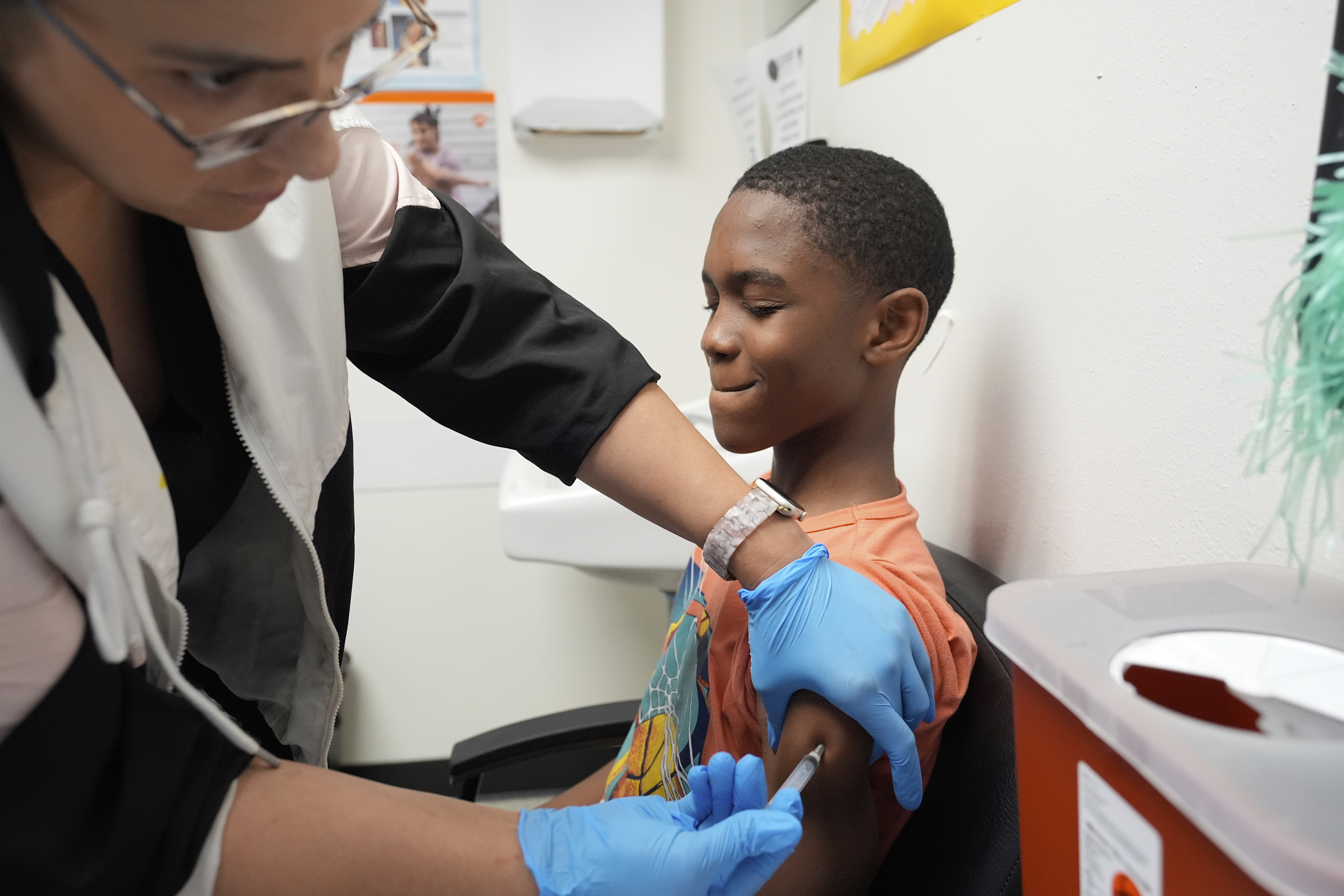
California Schools Face Millions in Funding Losses Over Student Vaccination Gaps
A surprising financial penalty is hitting California school districts, with millions of dollars in state funding lost over the past two years due to students not meeting vaccination requirements. This financial strain underscores a growing concern about public health within educational settings and the intricate link between student well-being and school budgets.
The Unseen Cost of Incomplete Immunizations
Data reveals that California schools have forfeited over $2.2 million in state funding across a two-year span, directly attributed to a shortfall in student vaccinations. This financial impact stems from audits conducted by the state, which scrutinized more than a thousand public schools during 2023 and 2024.
The audits focused on kindergartners and seventh graders, identifying schools where over 10% of students lacked the necessary immunizations mandated by state law. These findings triggered a reduction in average daily attendance funding, a critical component of how schools are financed.
The state's complex funding model means that the financial repercussions can vary significantly from one district to another. Schools are required to maintain proof of immunization for students entering kindergarten and seventh grade, as well as for those entering transitional kindergarten, child care, or transferring from out of state.
California law mandates that students be immunized against ten serious communicable diseases. The loss of funding is calculated based on the duration each student remains non-compliant with these vaccination mandates throughout the academic year.
Major Districts Grapple with Significant Shortfalls
Even the state's largest school districts are not immune to these financial penalties. Los Angeles Unified, a sprawling district serving over 400,000 students, experienced a loss of $324,055 in average daily attendance funding over the two-year audit period. This amount, while a fraction of the district's substantial $19 billion budget, represents a tangible reduction.
The lost funds equate to approximately 22.1 days of attendance funding. A portion of this loss, roughly three-quarters of a day valued at around $8,000, was attributed to a charter school within the district, according to figures from the State Controller’s Office.
San Francisco Unified, another major urban district with around 50,000 students, faced a similar financial blow, losing $315,775. This penalty accounted for 26 days of attendance funding over the audited period, highlighting the widespread nature of the issue.
Oakland Unified also reported a loss of $155,347 in attendance funding for 2023 and 2024. This occurred because the district was unable to definitively prove full compliance with the state's vaccination requirements, as indicated by district-provided documentation.
Smaller Districts Feel the Pinch
The financial impact is not confined to large urban centers; smaller school districts are also experiencing significant funding reductions. Snowline Joint Unified in San Bernardino County, a district with approximately 8,000 students, lost 15.6 days of attendance funding, totaling $195,390.
Ojai Unified in Ventura County, a much smaller district with around 2,000 students, saw a loss of 14 days of funding, amounting to $166,993. These figures demonstrate that even districts with fewer students can face substantial financial consequences when vaccination compliance falters.
A Call for Proactive Measures and Corrective Action
The state's approach to addressing these vaccination gaps involves a multi-stage process. Last year, 428 schools were flagged for low vaccination rates and subsequently entered the state's audit process. Districts like Los Angeles Unified, San Francisco Unified, Oakland Unified, and Ojai Unified remain on this list, indicating ongoing challenges.
When districts are found to be out of compliance, they are mandated to develop and implement corrective action plans. These plans are designed to ensure that such compliance issues are rectified and do not recur, according to officials from the California Department of Education.
San Francisco Unified's Strategic Enrollment Overhaul
San Francisco Unified has been proactive in addressing its compliance challenges. The district has revamped its enrollment process to prioritize the submission of immunization records and tuberculosis clearances well in advance of the school year. This allows health staff ample time to review documentation.
During the application cycle, families receive monthly notifications regarding any missing requirements. This strategy aims to mitigate last-minute enrollment hurdles and boost overall immunization adherence. Laura Dudnick, the district's director of communications, emphasized the district's commitment, stating, "We take this responsibility seriously and appreciate the families who have worked with us to obtain required immunizations for their children."
"We are working diligently to ensure students are immunized as required by law," she added, underscoring the district's dedication to meeting state mandates.
Los Angeles Unified's Community-Focused Approach
Los Angeles Unified is employing a multifaceted strategy to enhance vaccination rates. The district is actively organizing vaccination clinics and health fairs to provide essential immunizations and health services directly to students and families. This approach also includes robust educational campaigns to inform families about the critical importance of vaccinations.
District health teams are also working to identify and dismantle barriers that prevent families from accessing vaccination services, connecting them with necessary resources. In a statement, the district highlighted its commitment to student well-being: "The health and safety of our students is our highest priority."
The district further elaborated on its response to the state audit, noting, "In response to the state vaccination audit, the district has deployed targeted outreach and support for the identified schools. We have maintained an overall district-wide immunization compliance rate of 98% since the audit."
Understanding Vaccination Exemptions
California law does permit certain exemptions to vaccination requirements. These include students with documented medical reasons, those participating in home-based private school programs, and students within special education services. However, the state has increased oversight concerning medical exemptions.
Since 2015, the California Department of Public Health has been tasked with reviewing medical exemptions at schools where the immunization rate falls below 95%. Additionally, physicians who issue more than five medical exemptions in a single year are subject to heightened scrutiny.
This increased oversight was a direct response to a significant measles outbreak that occurred in 2015, which was linked to a popular entertainment venue. The move aimed to bolster herd immunity and protect vulnerable student populations.
The Resurgence of Measles and Public Health Imperatives
The concern over vaccination rates is amplified by a concerning national trend: a surge in measles cases. Nationally, there have been 982 reported cases of measles so far this year, a stark increase that signals a potential public health crisis.
California has mirrored this trend, with measles cases escalating from just four in 2023 to 25 in 2025. This year alone, the state has already recorded 19 cases of measles, according to the California Department of Public Health. Los Angeles County has been particularly affected, reporting four measles cases since late January.
Dr. Muntu Davis, Los Angeles County Health Officer, issued a strong statement emphasizing the importance of vaccination: "The MMR vaccine is the safest and most reliable way to prevent measles and protect yourself, your family, and your community."
He further warned about the contagious nature of the disease and its potential severity: "Measles spreads easily and can lead to serious complications, including pneumonia, brain swelling, and even death." The financial losses incurred by schools due to vaccination gaps, therefore, represent not just a budgetary concern but a critical indicator of the ongoing effort to safeguard the health of students and the wider community.







 Explore AI Teaching Tools
Comments (0)
Please login to comment
No comments yet
Be the first to comment on this article