
RM50 Million Fund Unleashed to Ignite Malaysia's TVET 2.0 Revolution
In a significant move to reshape the nation's workforce for the future, the government has greenlit the allocation of up to RM50 million from a dedicated fund to supercharge the implementation of Technical and Vocational Education and Training (TVET) 2.0. This strategic infusion of capital signals a profound commitment to equipping Malaysians with the cutting-edge skills demanded by a rapidly evolving global economy.
A New Era for Skills Development
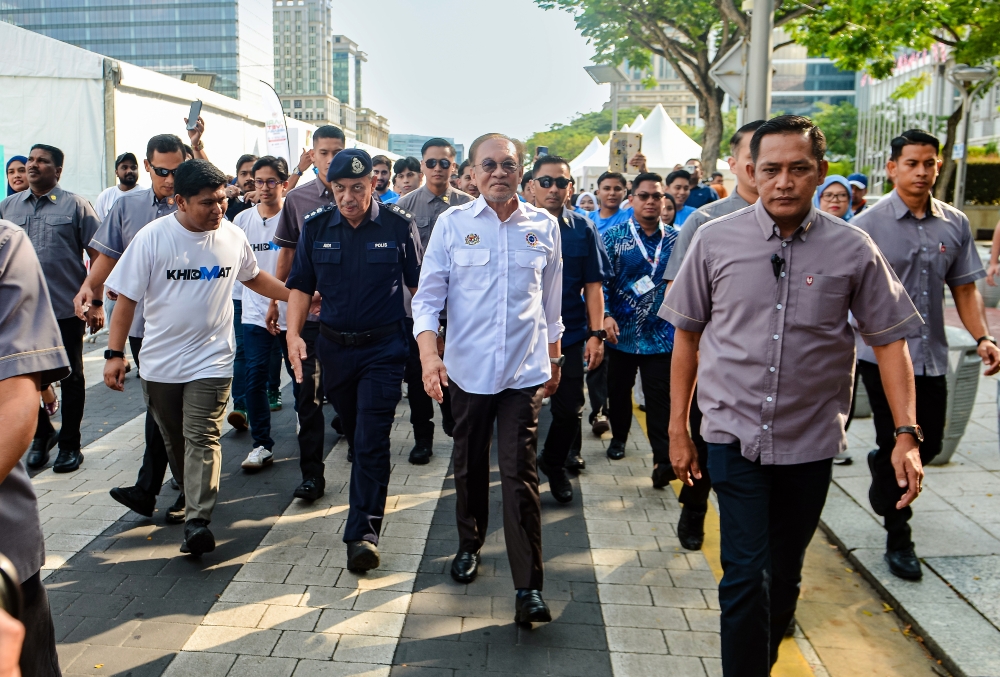
Prime Minister Anwar Ibrahim, who also holds the Finance Minister portfolio, announced the pivotal decision, emphasizing that the fund's deployment is contingent on robust collaboration between employers, industry leaders, and the government. This partnership is deemed essential to ensure the success of the ambitious TVET 2.0 agenda.
The Prime Minister underscored the conditional nature of the funding, stating, "Employers and industry must cooperate with the government, particularly through the TVET Council, to make it a success so that there is proper coordination. This will also enhance training programmes and exposure opportunities." This collaborative approach is central to aligning educational outcomes with real-world industry needs.
This initiative is part of a broader strategy to bolster the TVET sector, with the Skills Development Fund Corporation (PTPK) receiving a substantial RM650 million allocation under the framework of Budget 2026. This comprehensive financial backing highlights the government's unwavering dedication to elevating skills development across the nation.
Future-Proofing the Workforce: The TVET 2.0 Vision
Deputy Prime Minister Datuk Seri Dr Ahmad Zahid Hamidi elaborated on the transformative nature of TVET 2.0, describing it as a fundamental restructuring of the existing curriculum. The primary focus is on strengthening high-technology fields, ensuring that graduates are prepared to meet the demands of emerging industries.
Prime Minister Anwar further illuminated the strategic foresight behind TVET 2.0, citing the ascendance of artificial intelligence (AI), cryptocurrency, and the energy transition as key global priorities. These transformative forces necessitate new areas of expertise that were unimaginable just a few decades ago.
"We are aware of the new technological changes that have been mentioned, including AI, crypto and the energy transition," the Prime Minister stated. "All of these demand new areas of expertise that were beyond the imagination and reach of our generation 20 to 30 years ago." He cautioned against stagnation, warning that clinging to outdated thinking would impede the country's economic progress.
Industry's Crucial Role in Shaping Talent
The success of TVET 2.0 hinges significantly on the active participation and commitment of the private sector. This includes not only domestic businesses but also government-linked companies (GLCs) and multinational corporations (MNCs).
The Prime Minister stressed the importance of strengthening collaboration with various stakeholders to encourage their involvement in providing specialized training. This direct engagement ensures that TVET students gain relevant, hands-on experience that aligns with industry expectations.
This partnership model is designed to foster a dynamic ecosystem where educational institutions and industry players work in tandem. Such synergy is vital for producing graduates who are not only technically proficient but also adaptable to the ever-changing demands of the job market.
Beyond Technical Prowess: Cultivating Holistic Talent
While emphasizing the critical need for advanced technical skills, Prime Minister Anwar also issued a vital reminder: the development of human capital must be a holistic endeavor. This means balancing the acquisition of skills, including in fields like AI, with the cultivation of essential values, ethics, and a strong sense of humanity.
Educational and training institutions must go beyond imparting technical knowledge. They must also focus on nurturing disciplined individuals with integrity and a profound sense of responsibility towards society. This balanced approach is paramount in producing well-rounded citizens.
"This is something I want to emphasise because sometimes, in our busyness and enthusiasm to focus on skills development and competencies, we must not neglect the fundamental values of humanity," the Prime Minister urged. This perspective ensures that technological advancement is guided by ethical principles and a commitment to societal well-being.
A National Agenda: Elevating TVET's Standing
National TVET Day, celebrated annually on June 2, serves as a crucial platform to recognize the pivotal role of skills education in driving human capital development. It also reinforces the "Madani TVET" agenda, which champions skills, innovation, and graduate employability.
Under the Malaysia MADANI framework, TVET has been elevated from a secondary educational option to a core national agenda. The government's commitment to strengthening this sector is evident in its focus on offering high-technology courses designed to attract global industrial investments.
The infusion of the RM50 million fund, coupled with the strategic vision of TVET 2.0, represents a significant leap forward. It underscores a national imperative to build a future-ready workforce capable of navigating and thriving in the complex technological landscape of the 21st century.






 Explore AI Teaching Tools
Comments (0)
Please login to comment
No comments yet
Be the first to comment on this article