
California's Next Governor Faces Education's Tightening Budget: Will Innovation or Austerity Prevail?
As California prepares to usher in a new governor and state superintendent, the golden state's education system stands at a critical juncture. The era of expansive, multi-billion dollar education initiatives, fueled by a recent surge in state revenue, is likely drawing to a close. The incoming leadership will inherit a landscape shaped by declining enrollment, a recalibrating state budget, and growing frustration from school districts grappling with the practicalities of implementing ambitious state mandates.
A Shifting Power Dynamic in Sacramento
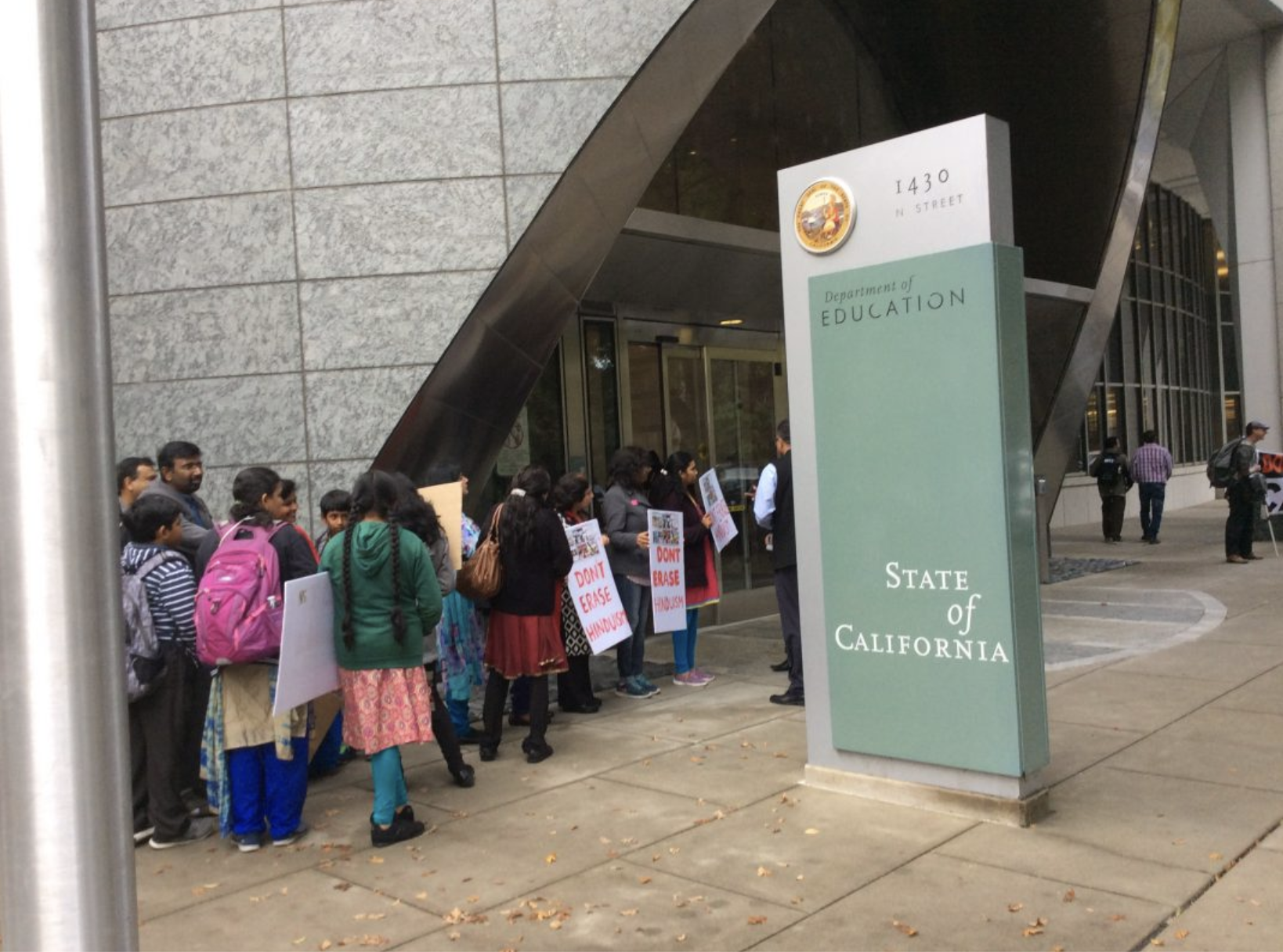
The transition comes as Governor Gavin Newsom's term limits approach, alongside that of State Superintendent Tony Thurmond. This change in leadership coincides with projections of a more constrained state budget, signaling a period of difficult fiscal decisions for California's schools. The next governor may find themselves with a unique opportunity: greater control over the California Department of Education.
Governor Newsom has proposed a significant restructuring, shifting operational authority of the department to an education commissioner appointed by the incoming governor. This model, common in many states, would redefine the role of the state superintendent, potentially reducing their administrative burden while preserving their function as an advocate for education.
The Legacy of Expansion Meets Fiscal Realities
Over the past six years, California has seen a dramatic expansion of its K-12 education landscape. Initiatives like universal transitional kindergarten for four-year-olds, extended learning opportunities, and the creation of community schools have reshaped the educational experience for millions of students. Investments in apprenticeships and career pathways have also opened new doors for post-secondary success.
However, these ambitious programs, which have become a hallmark of Governor Newsom's tenure, may not be replicable for his successor. Factors beyond the governor's control, including a persistent decline in student enrollment and a potential economic downturn, are poised to temper future educational spending and program development.
Districts Sound the Alarm: "We Don't Need More Programs"
A growing chorus of voices from school districts across California is expressing a clear message: the focus needs to shift from introducing new initiatives to shoring up existing foundations. Superintendents and school board members report that the rollout of complex state programs, often accompanied by extensive reporting requirements, has stretched their budgets thin and diverted crucial attention from core educational needs.
David Roth, superintendent of Buckeye Union School District, articulated this sentiment forcefully. He argues that adding more programs will inevitably lead to continued labor disputes over teacher salaries, which many districts claim they cannot afford. The immediate priority, he and others contend, should be increasing the base funding that districts rely on for general operating expenses.
The "Raise the Base" Movement
Roth has spearheaded the "Raise the Base" Coalition, a grassroots effort advocating for increased foundational funding for schools. The coalition highlights the challenges faced even by districts that receive above-median funding, as rising costs outpace available resources. The core argument is that bolstering base funding benefits all districts, regardless of their student demographics or supplemental funding allocations.
School board leaders from across the state have echoed these concerns, emphasizing the profound fiscal challenges confronting districts. Their appeals underscore a widespread anxiety about ensuring the long-term financial health and educational quality of California's public schools.
The Squeeze: Enrollment Declines and Special Education Costs
While state funding for K-12 education has seen substantial increases, driven by Proposition 98, several underlying trends are creating significant financial pressure on districts. These challenges are expected to intensify, demanding the urgent attention of the next governor.
The Accelerating Enrollment Cliff
California's student population has been on a downward trajectory for nearly a decade, and projections indicate this trend will accelerate. The California Department of Finance forecasts an additional 10% drop in enrollment by 2033-34, potentially reducing the total student count to 5.2 million. This decline will disproportionately impact many districts, with some in Los Angeles County anticipating losses of up to 20%.
School districts are funded based on average daily attendance. While the full implementation of transitional kindergarten has temporarily bolstered attendance figures, the long-term impact of declining enrollment is expected to become more pronounced as TK's initial boost fades.
The Growing Burden of Special Education
Simultaneously, the proportion of students requiring special education services has steadily increased. From 13% in the 2018-19 school year, students with disabilities now represent 15% of the student population. This rise occurs even as overall enrollment shrinks, placing a greater financial strain on districts.
While Governor Newsom has proposed an additional $500 million to help equalize special education funding, the fundamental issue remains. The federal government's contribution to special education costs has consistently fallen short of its intended share, and California's state-level funding has also seen a decline. This leaves districts shouldering an ever-larger portion of these specialized services.
According to School Services of California, districts' share of special education costs has climbed from 51% in 2014 to 63% last year, with some smaller districts bearing an even higher percentage. Gayle Garbolino-Mojica, superintendent of Placer County Office of Education, has seen unexpected special education expenses force three of her districts onto the state's financial watch list. She notes an unprecedented increase in preschoolers arriving with complex needs, including autism, multiple disabilities, and behavioral challenges.
Cost-of-Living Adjustments Lag Behind Reality
The annual cost-of-living adjustments (COLAs) provided by the state are failing to keep pace with the escalating expenses faced by school districts. A 3% decline in a district's attendance can translate into a funding loss that far exceeds the projected 2.41% COLA for 2026-27, or the even smaller adjustments received in previous years.
These COLAs are tied to a national inflation index that does not adequately reflect the sharp rise in healthcare costs or the imperative to offer competitive salaries to attract and retain qualified teachers. While the state's three-year average attendance calculation offers some buffer against immediate funding drops, it is not a sustainable long-term solution for districts struggling to match revenue losses with expenditure increases.
The "Declining Enrollment Dividend": A Potential Funding Boon or Battleground?
Due to Proposition 98's guarantee, K-12 education and community colleges will continue to receive 40% of the state's general revenue. However, as student enrollment declines, the total amount of funding allocated to districts will decrease. The difference—an unallocated surplus euphemistically termed a "declining enrollment dividend"—could reach $7.5 billion annually.
This substantial sum presents a significant opportunity and a potential point of contention for the Legislature and the next governor. How this discretionary funding is allocated will be a critical decision, with several potential uses being discussed:
- Shifting from attendance-based funding to annual enrollment figures, a move favored by districts most affected by chronic absenteeism.
- Incorporating a regional cost factor into the Local Control Funding Formula, an idea that has been debated for years but never implemented.
- Increasing the state's contribution to special education expenses, providing relief to all districts.
- Establishing a permanent annual COLA of 4% to better reflect rising costs.
- Providing consistent funding for professional development, with a focus on evidence-based early literacy instruction and the new state math framework.
Beyond Funding: Critical Issues Awaiting Leadership
The challenges facing California's education system extend beyond financial considerations. Several other significant issues will demand the attention of the incoming governor, regardless of the state's fiscal health.
Reimagining the State Department of Education
If Governor Newsom's proposal to restructure the California Department of Education is approved, the next governor will inherit direct oversight of the agency. This move could be the first step in untangling a complex system of school improvement and accountability, placing the governor in a position to either receive credit or blame for its effectiveness.
Addressing Facility Inequities
The lawsuit *Miliani Rodriguez v. State of California* challenges the state's formula for distributing billions of dollars for school facility repairs, a system that has been acknowledged as favoring wealthier districts. If the current governor does not resolve this issue, the decision to defend or negotiate an equitable solution will fall to his successor.
Navigating the Rise of Artificial Intelligence
Artificial intelligence presents both immense potential and significant challenges for education. Currently, districts are largely left to navigate this complex landscape independently. The next California governor could champion AI literacy for all students and initiate critical conversations about the core capacities needed for students to thrive in an AI-influenced world.
Revitalizing High School Engagement
A significant portion of California high school students report feeling disconnected from their schools. A state-funded pilot program aims to explore new models for secondary education, including team teaching and small-group learning, to foster stronger student relationships. The success of these initiatives could pave the way for broader implementation under new leadership.
Closing Persistent Achievement Gaps
While recent investments in student well-being and academic progress may yield long-term benefits, the California School Boards Association is urging immediate action to address persistent achievement disparities. The association advocates for greater accountability from state agencies in tracking progress on closing these gaps and for a commission to streamline regulations and eliminate redundant programs.
The message from districts and advocacy groups is clear: the next governor will face a critical mandate to prioritize foundational support for schools and address systemic inequities. The decisions made in the coming years will shape the future of education for millions of California students.





 Explore AI Teaching Tools
Comments (0)
Please login to comment
No comments yet
Be the first to comment on this article