
Reimagining K-12 Education: A Bold Path to Systemic Improvement
The landscape of K-12 education is at a pivotal moment, demanding a fresh perspective on how we structure and govern our learning institutions.While discussions about educational reform often focus on curriculum and technology, the foundational element of *governance* is frequently overlooked.
This article explores what it would take to fundamentally reshape our approach to K-12 education, moving beyond traditional top-down models to foster innovation, responsiveness, and ultimately, better outcomes for every student.
We will delve into the complexities of educational governance and propose a patient, courageous, and data-driven strategy for building a more effective and equitable system.
The Imperative for Governance Reform in Education
For decades, the conversation around improving K-12 education has often centered on specific programs, standards, and funding allocations.However, research indicates that despite significant investment and numerous reform efforts, student performance on international benchmarks has remained stagnant, and in some areas, has even declined.
This persistent challenge suggests that the underlying structure of how our schools are managed and regulated may be the true bottleneck.
The current system, characterized by a dense web of federal, state, and district regulations, can often create a bureaucratic fog that stifles innovation and paralyzes educators.
What if the very rules designed to guide education are inadvertently hindering its progress?
Studies indicate that a significant portion of students are now chronically absent, and a growing number of families are seeking alternatives to traditional public schools, opting for charter schools, private institutions, or homeschooling.
This trend highlights a disconnect between what the current system offers and the diverse needs and preferences of students and parents.
The focus on standardized curricula, while well-intentioned, has sometimes led to a narrowing of instruction, prioritizing testable content over a broader, more engaging educational experience.
This approach, where every student is expected to learn the same things at the same time, may not adequately cater to individual learning styles or foster critical thinking and creativity.
What is truly needed is a governance framework that empowers educators, respects parental choice, and adapts to the evolving needs of learners.
Deconstructing the Current Educational Governance Model
The existing model of K-12 education governance, particularly in its federal and state dimensions, has evolved over time, often in response to specific policy initiatives or perceived shortcomings.While the intention behind these structures is to ensure quality and equity, their implementation can lead to unintended consequences.
The sheer volume of directives and regulations, often originating from different levels of government, can create conflicting mandates and impose significant administrative burdens on schools.
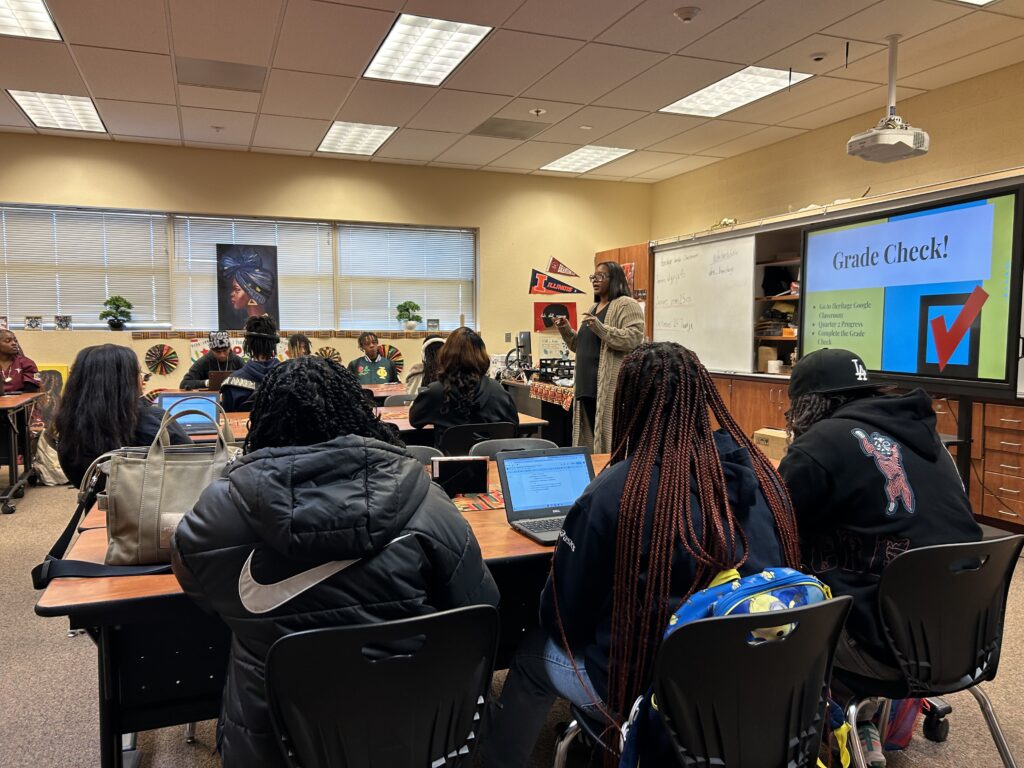
This complexity can make it challenging for educators to implement innovative practices or respond effectively to the unique challenges within their communities.
Consider the impact of initiatives like the Common Core standards.
While aiming for consistency, the massive investment in these standards coincided with a prolonged period of academic stagnation.
This suggests that simply mandating what students should learn, without fundamentally rethinking how schools are governed and supported, may not yield the desired results.
The underlying assumption that we possess a perfect, unchanging blueprint for education, and that a top-down approach can effectively implement it across diverse contexts, warrants critical examination.
What if the problem lies not in the content of education, but in the rigid framework that dictates its delivery?
The Role of Federal and State Departments of Education
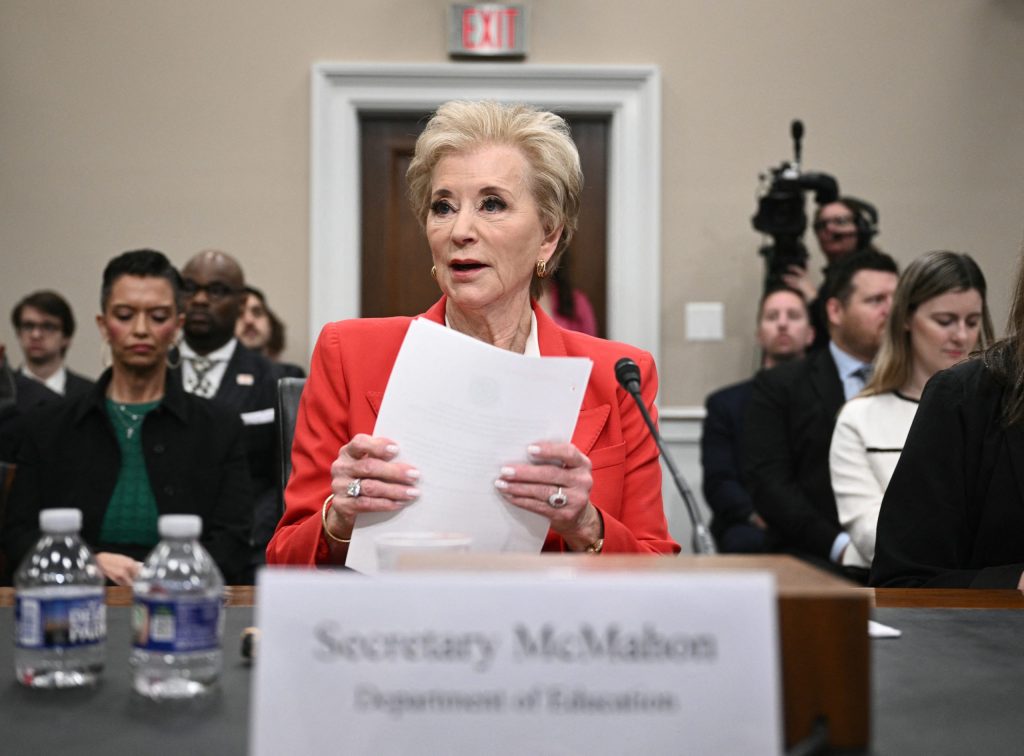
The Department of Education, established with the goal of supporting and improving education nationwide, plays a significant role in shaping K-12 policy.However, the centralized nature of such a department can sometimes lead to a one-size-fits-all approach that struggles to accommodate the vast diversity of local needs and contexts.
State departments of education, while closer to the ground, also operate within a framework of federal guidelines and their own established regulations.
This layered governance can create a complex bureaucratic environment where innovation is often slow to take root.
The question arises: what would happen if we were to fundamentally rethink the role and structure of these departments?
Could a more decentralized, state-led, and experimentally driven approach unlock greater potential for improvement?
The current system, while aiming for accountability, can inadvertently create an environment where educators feel constrained rather than empowered.
The focus often shifts from fostering learning to ensuring compliance, a dynamic that is counterproductive to creating dynamic and engaging educational experiences.
A Vision for a New Era of K-12 Governance
To truly fix K-12 education, we must address the root cause: the intricate and often cumbersome system of governance.This requires a shift from incremental reforms to a more audacious, long-term vision.
It will demand patience, courage, and a willingness to experiment.
What if we could design a system that is inherently more responsive, adaptable, and supportive of educators and students alike?
The path forward involves a deliberate and structured process of reimagining state-level governance.
This would ideally involve establishing a dedicated entity, perhaps a "Center for K-12 Governance," housed within a university's school of education or public policy.
This center would convene a diverse group of experts from various disciplines – education, economics, psychology, technology, and public administration – to collaboratively design a comprehensive framework for state education laws and regulations.
The goal would be to move beyond the current limitations and create a system that truly serves the needs of 21st-century learners.
Designing a Future-Proof Governance Framework
The work of this hypothetical center would begin with fundamental questions, rather than predetermined answers.What are the ultimate goals of our K-12 schools?
How can we authentically measure success against these goals?
What choices should be available to parents, and what information do they need to make informed decisions for their children?
How can we create pathways to attract, support, and retain exceptional teachers and administrators?
These are complex questions that require deep consideration and input from a wide range of stakeholders.
The center's mandate would be to explore various educational and funding models currently in practice, including independent schools, charter schools, parochial schools, homeschooling, and education savings accounts.
Each of these models, in its own way, speaks to the importance of parental choice and the diverse needs of students.
The frameworks developed would need to be flexible enough to accommodate these different approaches while ensuring a baseline of quality and equity for all.
The focus would be on creating a system that fosters innovation and allows for diverse pathways to educational success, rather than imposing a singular, rigid structure.
Implementing and Testing a Transformed Governance Model
Once a comprehensive set of proposed statutes and regulations is developed, the next crucial step is rigorous testing.This would involve a governor committed to a long-term pilot program.
This pilot would establish a small, alternative state department of education tasked with overseeing a select group of volunteer schools.
These schools would be carefully matched with a control group operating under the existing legacy system.
The pilot would encompass schools with a diverse range of demographic profiles and performance levels to ensure the findings are broadly applicable.
For a period of up to a decade, these two systems would operate side-by-side, allowing for a direct comparison of their effectiveness.
Each year, the state would meticulously assess the performance of both departments against a comprehensive set of metrics.
These metrics would include, but not be limited to, graduation rates, college completion rates, teacher retention, income trajectories of graduates, levels of civic participation, student and parent satisfaction, and standardized test scores.
This longitudinal data would provide invaluable insights into what works and what doesn't.
Iterative Refinement and Data-Driven Decision Making
During the pilot phase, both the experimental and control groups would be encouraged to adapt and refine their approaches based on real-world outcomes and ongoing evaluations.This iterative process of testing, learning, and adjusting is essential for developing a truly robust and effective governance system.
The intense scrutiny from interested parties would ensure transparency and accountability throughout the process.
Once definitive longitudinal data is collected and analyzed, the state would make a decisive move.
One department would be phased out, and the governance of its schools would transition to the demonstrably more effective model.
This might even pave the way for launching a new pilot with an even more refined system, continuing the cycle of continuous improvement.
This patient, data-driven approach is what it would take to address the systemic issues that have long plagued K-12 education.
The Broader Implications for Society and Education
The impact of effective K-12 education extends far beyond the classroom.Schools are often described as the nation's most vital public square, playing a critical role in fostering income mobility, promoting civic health, and strengthening democratic resilience.
If we fail to rewire our educational systems to support these fundamental societal functions, we risk continued decline, to the detriment of both individual students and society as a whole.
Instead of celebrating the few who succeed against overwhelming odds, we should focus on dismantling those odds.
This moment presents a unique opportunity to draft and test an audacious new model for K-12 governance.
It is an opportunity to create a system that empowers educators, engages parents, and ultimately, provides every child with the opportunity to reach their full potential.
The courage to undertake such a transformation, coupled with the patience to see it through, is what will truly fix K-12 education for generations to come.
Conclusion
The journey to a truly effective K-12 education system is not a sprint, but a marathon.It requires us to look beyond superficial reforms and address the fundamental structures that govern our schools.
What we have explored is a vision for a patient, courageous, and data-driven approach to reimagining educational governance.
By focusing on state-level innovation, rigorous testing, and continuous improvement, we can move away from a top-down, one-size-fits-all model towards a system that is responsive, equitable, and empowering.
This transformation is not merely about improving test scores; it is about building a stronger society by ensuring that every student receives the education they deserve, preparing them to thrive in an ever-changing world.




 Explore AI Teaching Tools
Comments (0)
Please login to comment
No comments yet
Be the first to comment on this article