
Parliamentary Committee Unveils Ambitious Overhaul for Public Prosecutor's Office: Seven Reforms Proposed to Bolster Independence and Accountability
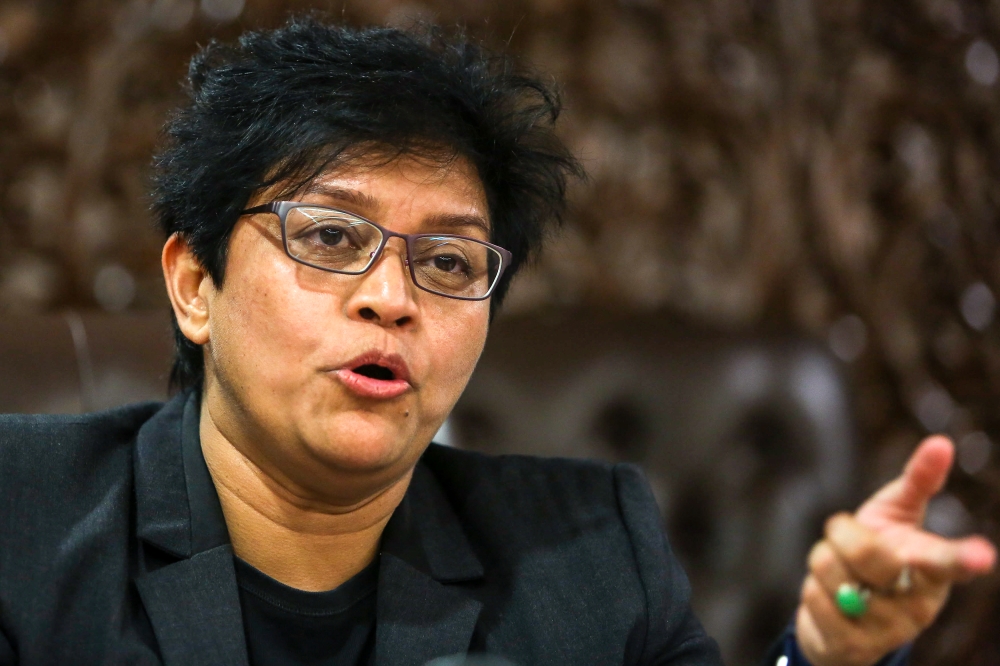
A significant shift in the landscape of justice is on the horizon as a parliamentary committee has put forth a comprehensive set of seven proposals aimed at fundamentally reshaping the appointment and oversight of Malaysia's Public Prosecutor. These recommendations, spearheaded by Minister in the Prime Minister’s Department (Law and Institutional Reform) Datuk Seri Azalina Othman Said, signal a determined effort to enhance transparency and curb executive influence.
A New Framework for Public Trust
The proposed reforms stem from a detailed review of a constitutional amendment bill and represent a bipartisan consensus forged within a special select committee. The overarching goal is to cultivate a Public Prosecutor’s institution that is not only independent and professional but also demonstrably accountable to the public.
“Our aim is to establish an institution that the public can trust,” Azalina stated, emphasizing the alignment with the rule of law and international best practices. This initiative seeks to move beyond mere procedural adjustments, aiming for a foundational strengthening of a critical pillar of the justice system.
Shifting the Appointment Power
Central to the proposed changes is a recalibration of how the Public Prosecutor is appointed. The committee has recommended that this crucial role be filled by the Yang di Pertuan Agong, acting on the advice of the Judicial and Legal Service Commission.
This proposed mechanism aims to insulate the appointment process from direct executive interference. By mandating recommendations from the commission, the reforms seek to ensure that candidates are selected based on merit and professional standing, rather than political considerations.
Parliamentary Scrutiny and Public Input
Transparency is a key tenet of the proposed reforms, with a significant emphasis on involving Parliament in the appointment process. The committee further proposed that the name of a prospective candidate be made public, allowing for a period of public feedback to be submitted to the commission.
This novel approach introduces a layer of public scrutiny, ensuring that the selection of the nation’s top prosecutor is not a closed-door affair. Such a move is expected to foster greater public confidence and a sense of shared ownership in the integrity of the justice system.
Ensuring Stability and Longevity
Another cornerstone of the proposed reforms is the introduction of a fixed seven-year term for the Public Prosecutor. This is a departure from current practices, which can allow for indefinite extensions or reappointments.
The committee’s recommendation for a non-renewable, fixed term is designed to provide stability and prevent the potential for prolonged influence. This aims to ensure that the officeholder can focus on their duties without the pressure of seeking future extensions.
Annual Reporting: A Mandate for Accountability
To further solidify accountability, the committee has proposed that the Public Prosecutor be mandated to submit an annual report directly to Parliament. This regular reporting mechanism is a significant step towards ensuring that the office’s activities and decisions are subject to ongoing parliamentary oversight.
Such a requirement would provide Parliament with a clear avenue to review the performance and operations of the Public Prosecutor's office, fostering a culture of transparency and responsiveness.
Establishing Ethical Standards and Future-Proofing Reforms
Beyond appointment and reporting, the committee has also recommended the introduction of a specific code of ethics for the Public Prosecutor. This code would outline clear standards of conduct, with provisions for removal from office in cases of breaches.
Furthermore, the committee suggested empowering Parliament to enact further laws governing the appointment, removal, and reporting responsibilities of the Public Prosecutor. This forward-looking provision ensures that the reforms can be adapted and strengthened over time, remaining relevant to evolving needs.
A Comprehensive Review Process
The proposed reforms are the culmination of an extensive review process. The Constitution (Amendment) (No. 2) Bill 2026, which lays the groundwork for the separation of powers between the Attorney General and the Public Prosecutor, was referred to the special select committee for in-depth scrutiny.
The committee diligently held seven meetings, engaging with a wide array of stakeholders. Input was gathered from the Attorney General’s Chambers, various professional bodies, academics, legal experts, and civil society organizations, ensuring a multi-faceted perspective.
The review encompassed constitutional, operational, administrative, human resource, and financial implications, alongside comparative analyses of international models. This thorough examination underscores the committee’s commitment to developing robust and effective reforms.
“What was tabled today is the outcome of a comprehensive and inclusive review process,” Azalina remarked, highlighting the committee’s role as a vital check-and-balance mechanism within the parliamentary system. The report presented to Parliament is intended to serve as the foundation for further robust debate and deliberation.
The success of these proposed reforms hinges on the objective and constructive assessment by Members of Parliament. The ultimate goal is to forge a stronger, more trusted justice system for all.






 Explore AI Teaching Tools
Comments (0)
Please login to comment
No comments yet
Be the first to comment on this article