
Ballet's First Steps: San Jose Program Unlocks Dance for Underserved Youth
Imagine a world where a child's first encounter with the magic of ballet isn't a distant, unattainable spectacle, but a vibrant, accessible reality. For Gabriela Rodriguez, that reality began in a third-grade classroom, sparking a lifelong passion that has transformed her trajectory. Her journey, from a curious youngster to a lead performer, underscores the profound impact of arts education reaching beyond the traditional studio.
From Wii to the Stage: A Dancer's Ascent
At just seven years old, Gabriela Rodriguez was introduced to the foundational movements of ballet through the New Ballet School's First Step program. This initiative, designed to bring the joy of dance to students in low-income communities within the San Jose Unified school district, offered a vital entry point.
Rodriguez, who as a young child reveled in dancing to her Wii, found a new outlet for her energy and creativity. Today, at 19, she has progressed to Level 6, the highest tier at the school, and is a valued member of the studio company, a significant stepping stone toward a professional career in dance.
Her presence on the stage is captivating. During a recent rehearsal for "The Nutcracker," Rodriguez moved with an effortless grace, a testament to years of dedication and training. She describes dance as a life-altering force, recalling the indelible impression of witnessing "Swan Lake" for the first time.
“It was so beautiful and graceful, I knew I wanted to be up there on stage, wearing a pretty tutu,” Rodriguez shared. Living in East San Jose, she also found that ballet provided a crucial counterpoint to her naturally energetic disposition.
“I was also a really hyper kid, so ballet also taught me discipline, how to be still, how to focus,” she explained, highlighting the dual benefits of physical expression and mental development.
The Power of Access: Bridging the Gap
The First Step program shines a spotlight on the sheer love of movement for first, second, and third graders at local Title 1 schools. These institutions, which receive federal funding to enhance educational opportunities for students from low-income families, are crucial partners in this endeavor.
Approximately 50 children each year benefit from scholarships that cover the full cost of ballet classes, including essential attire like leotards and footwear. This comprehensive support system ensures that financial barriers do not prevent talented young individuals from exploring their artistic potential.
Teachers often play a pivotal role in identifying students who might thrive in such a program. Like Rodriguez, many children are recommended by their elementary school educators, who recognize a spark of interest or a natural aptitude for movement.
For these young dancers, their initial stage debut often occurs in the beloved holiday classic, "The Nutcracker." This experience provides invaluable exposure to the world of live performance, teaching them how to manage stage fright through rigorous rehearsal and demonstrating how dedication can unlock their creative spirit.
A Commitment to the Art Form
Rodriguez's mother wisely cautioned her about the significant commitment involved. The demands of ballet training are substantial, requiring hours of practice each day, alongside nightly rehearsals.
“My mother warned me that it would be a big commitment if I decided to take this route,” Rodriguez admitted. “And it is a lot of hard work, physically and mentally as well.”
This holiday season, Rodriguez is taking on a starring role as Clara in "The San Jose Nutcracker." This production, a local adaptation of the classic tale, is set in turn-of-the-century San Jose, adding a unique regional flavor to the timeless story.
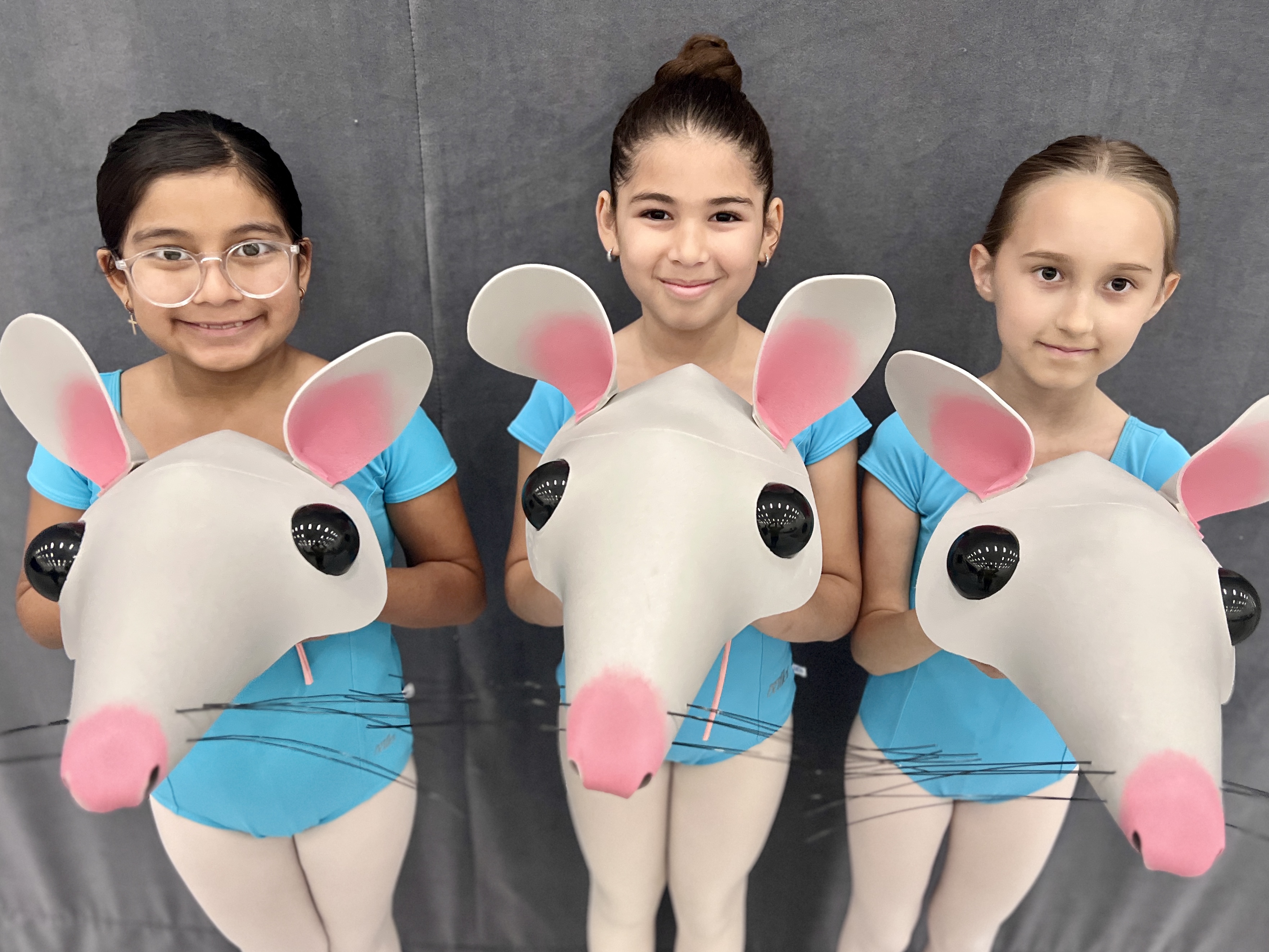
Many youngsters from the First Step program find their first taste of the stage as charming, albeit menacing, rodents in the "Nutcracker" production, serving as the minions of the Mouse King. This opportunity allows them to experience the magic of live performance firsthand.
Ballet, at its core, is a fascinating fusion of raw kinetic energy and an almost mathematical precision. It demands both power and an acute awareness of form and timing.
“It taught me about discipline,” Rodriguez reiterated. “You have to make sure you get your schoolwork done and your household chores done while you’re spending so much time at the ballet.”
Rodriguez's dedication is evident; she has performed in "The Nutcracker" nine times and has even lent her voice to record the story of "La Boutique Fantasque" in Spanish for the troupe. To support her artistic endeavors, she also works as a hostess in a local restaurant.
Dreams Beyond the Stage
Rodriguez harbors ambitions to continue her dance journey for as long as possible. Her ultimate dream is to train at the prestigious Juilliard School, though she acknowledges the significant financial hurdles that may present a challenge.
“I want to pursue dance for as long as I can,” Rodriguez stated. “If I went, I’d be the first in my family to go to college.”
The prohibitive cost of arts and culture often alienates potential audiences and participants. This is precisely why equity is a cornerstone of the New Ballet's mission. Founder Dalia Rawson firmly believes that the arts are an essential expression of our shared humanity, a birthright for all, not a privilege reserved for the affluent.
“There’s nothing frivolous about dance,” Rawson asserted. “Dancing is part of everybody’s human experience. We believe dance is for everybody. It feeds everybody’s soul. If you don’t dance, you’re not connecting to a part of yourself.”
As modern society increasingly embraces sedentary lifestyles, experts caution that we risk disconnecting from our innate need for physical movement. Children, in particular, require ample physical activity to foster cognitive development, enhance concentration, and improve learning outcomes. Dance offers a unique pathway to integrate movement with imaginative expression, transforming motion into a form of poetry.
“Dance is something that all humans need,” Rawson emphasized. “We all thrive when we’re connected to our body. And it’s good for your soul. It’s good for your heart. It’s good for your sense of who you are as a human.”
Cultivating Joy and Engagement
The primary objective of the First Step program is not solely to cultivate professional dancers, but rather to disseminate the transformative power of arts education. This alchemy of artistic engagement is particularly vital at a time when chronic absenteeism in schools has become a significant concern.
“We look for kids who have that little spark,” explained Laura Burton, director of outreach for the ballet. “That’s something that you want to see grow, because especially at this age, we don’t need to see them do a plié. Does that kid have the heart and the passion?”
The program provides dedicated classes for these identified students, offering them a full semester of free instruction. This targeted approach ensures that the children who show the most promise and passion receive the support they need to flourish.
Understanding their specific audience and community niche is central to the ballet's vision. The troupe is committed to reflecting and serving the unique cultural landscape of their local area.
“We are not trying to compete with San Francisco Ballet,” Rawson stated. “We never will. It’s a $60 million budget, and it’s not hard to get there. If you want to see one of the best ballet companies in the entire world, you can get there in an hour.”
New Ballet strategically focuses on opening doors for the next generation, particularly for children and families who may find the cost of attending professional dance performances prohibitive. Their mission is to make the art form accessible and enjoyable for everyone.
“We try to make it fun, easy and accessible,” Rawson said. “We don’t have the budget to pay top dancer salaries, but we hire dancers who bring something really special to the stage. We don’t discriminate by body type or anything else.”
These dancers, much like Rodriguez, are deeply invested in the belief that dance possesses the power to elevate the human spirit. Many New Ballet dancers balance their artistic pursuits with outside employment to sustain their passion.
“What they share is they want to be here,” Rawson observed. “They love to dance. They’re passionate about ballet. That to me is more important than the perfect line of your leg.”
Rodriguez, for her part, envisions a future where she can share the gift of dance with others, particularly individuals with disabilities. She aims to demonstrate that the joy of movement is attainable for everyone, regardless of perceived limitations.
“Why not?” she asks. “If you start late, you can still dance. If you’re missing something, you can still dance. There’s modifications for everybody out there. Anyone can dance if they truly want to. There’s always a way.”


 Explore AI Teaching Tools
Comments (0)
Please login to comment
No comments yet
Be the first to comment on this article