
California's Higher Education Funding: A Deep Dive into Governor Newsom's Budget Proposal
Navigating the complex landscape of educational funding can be a significant challenge, especially for large public university systems.In a recent development, California's Governor Gavin Newsom unveiled a budget proposal that offers a substantial financial boost to the University of California (UC) and California State University (CSU) systems.
This proposal arrives at a critical juncture, providing much-needed support amidst evolving federal funding dynamics and ongoing financial pressures.
For students, educators, and policymakers alike, understanding the nuances of this budget is paramount to grasping its potential impact on the future of higher education in the Golden State.
The Core of the Proposal: Significant Funding Allocations
Governor Newsom's budget proposal outlines a significant financial commitment to California's public university systems.The plan earmarks substantial new funding, aiming to bolster the operational capacity and student support services of both the UC and CSU.
This initiative represents a continuation of a multi-year commitment, underscoring a strategic vision for sustained investment in higher education.
UC and CSU: A Combined Financial Injection
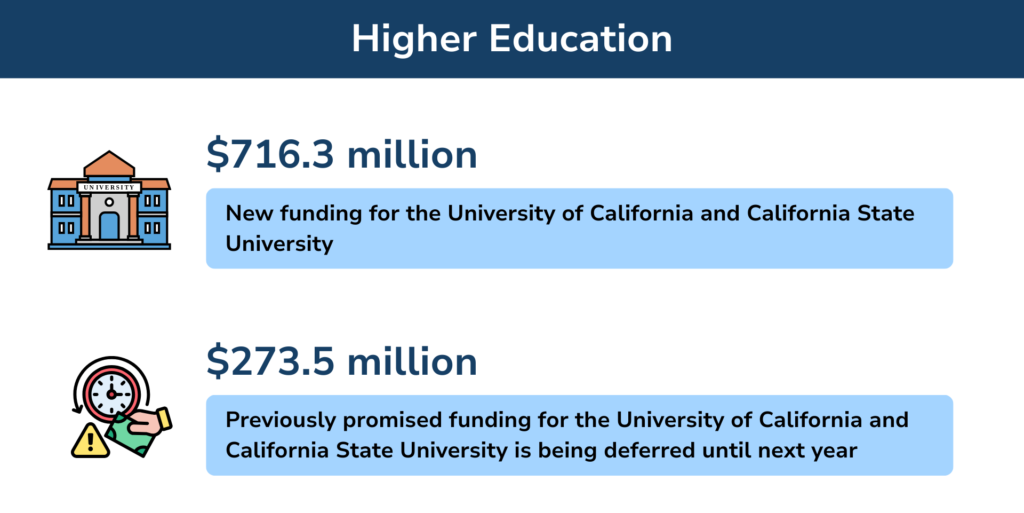
The proposed budget allocates a combined total of over $700 million in new base funding for the UC and CSU systems.Specifically, the University of California is slated to receive approximately $350.6 million, while the California State University system is set to benefit from an allocation of around $365.7 million.
This considerable sum is designed to address immediate needs and contribute to the long-term financial health of these vital educational institutions.
This funding aligns with a prior pledge made by Governor Newsom, demonstrating a consistent approach to annual budget increases over a five-year period.
Broader Financial Picture for the Systems
Beyond the new allocations, the proposal also details the overall state general fund support for each system.The University of California would receive a total of approximately $5.3 billion from the state's general fund, while the California State University system would be allocated around $5.6 billion.
These figures represent the comprehensive financial framework within which these universities will operate, encompassing both new investments and ongoing operational support.
Addressing Financial Uncertainties and Federal Pressures
A key driver behind this robust budget proposal is the increasing uncertainty surrounding federal funding and the significant financial pressures that California's public universities are facing.Leaders within the UC and CSU systems have highlighted the critical nature of this state support in navigating these external challenges.
The proposal is seen as a proactive measure to ensure stability and continued access to quality education for California residents.
The Shadow of Federal Scrutiny
Recent years have seen heightened scrutiny and, in some instances, direct financial challenges from federal entities directed at California's universities.Research indicates that certain federal actions have created substantial financial strains, impacting research grants and overall institutional stability.
For example, one prominent university system faced significant demands and potential financial penalties, creating a climate of apprehension regarding federal funding streams.
This context makes the state's commitment to providing a stable funding base all the more crucial.
Newsom's Commitment: A Shield Against Volatility
Governor Newsom's budget proposal is interpreted by university leaders as a strong affirmation of California's commitment to its public higher education institutions.By providing substantial state funding, the administration aims to create a buffer against the unpredictable nature of federal funding and to demonstrate that California will prioritize its own educational infrastructure.
This proactive approach is vital for maintaining research momentum, supporting student services, and ensuring that California remains a leader in higher education innovation.
Navigating Budgetary Deferrals and Legislative Considerations
While the budget proposal offers significant positive news, it is not without its complexities.The plan includes provisions for deferring certain promised funds to future fiscal years.
This aspect of the proposal has drawn attention from lawmakers and requires careful consideration to ensure the continued operational stability of the university systems.
Understanding the Deferral Mechanism
The proposed budget includes a deferral of previously committed funds.For the UC system, approximately $129.7 million would be deferred, and for the CSU system, around $143.8 million would be deferred to the following year.
These deferrals stem from funding that was originally earmarked for the current year but was subject to adjustments due to fluctuating state revenue projections.
While the intent is to eventually provide these funds, the deferral necessitates careful financial planning by the universities.
Legislative Pathways for Accelerated Funding
Recognizing the potential impact of these deferrals, legislative leaders have indicated a willingness to explore options for accelerating the release of these funds.Discussions are underway to identify pathways that could allow for the earlier disbursement of the deferred amounts.
This collaborative approach between the executive and legislative branches aims to mitigate any negative consequences of the deferrals and ensure that the university systems receive the necessary financial resources in a timely manner.
The goal is to maintain stability and effectively expand educational opportunities for a greater number of students.
The Multiyear Compact: A Foundation for Growth
The current budget proposal is intrinsically linked to a multiyear funding agreement, often referred to as a compact, between the state and its public university systems.This compact establishes a framework for predictable annual budget increases, contingent upon the universities meeting specific performance goals.
Understanding this compact is essential to appreciating the context and implications of the proposed funding.
The Five-Year Funding Pledge
Governor Newsom's administration has committed to providing annual budget increases to both the UC and CSU systems over a five-year period.This commitment, initially made in 2022, aims to foster a stable and predictable financial environment, allowing the universities to plan for the future with greater certainty.
The current budget proposal is a manifestation of this ongoing pledge, reinforcing the state's dedication to supporting its higher education infrastructure.
Goals and Expectations within the Compact
The multiyear compact is not solely about financial allocations; it also involves performance-based expectations.The university systems are expected to work towards key objectives, such as increasing graduation rates and expanding enrollment opportunities for California residents.
These goals are designed to ensure that state investments translate into tangible benefits for students and the broader California community.
The funding provided is thus tied to a shared vision for educational advancement and accessibility.
Financial Aid: Bolstering Student Access and Affordability
Beyond direct institutional funding, the budget proposal also addresses the critical area of student financial aid.A significant allocation is dedicated to supporting Cal Grant, the state's primary financial aid program, underscoring a commitment to making higher education more accessible and affordable for a wider range of students.
A Substantial Investment in Cal Grant
The budget proposal includes a substantial investment of $3.2 billion for the Cal Grant program.This represents a notable increase compared to the previous year, with an additional $488 million allocated.
This enhanced funding is attributed to several factors, including rising tuition costs at the UC and CSU systems and an increase in the number of eligible students completing their financial aid applications.
Automatic Awards and Expanding Eligibility
A key feature of the Cal Grant program, as supported by this budget, is its ability to automatically award grants to many students who meet income requirements, covering the full cost of tuition.This automatic award mechanism is designed to streamline the financial aid process and provide immediate relief to students facing financial barriers to higher education.
The increased eligibility is a direct result of more students actively pursuing and qualifying for financial assistance.
Ongoing Dialogue on Cal Grant Reform
While the increased funding for Cal Grant is a positive development, discussions regarding comprehensive reform of the program continue.Lawmakers have previously advocated for adjustments to the program, such as removing grade point average requirements, eliminating age cutoffs, and increasing awards to cover living expenses.
Governor Newsom has previously vetoed legislation proposing significant changes, but the ongoing dialogue suggests that further efforts to refine and expand the Cal Grant program may be on the horizon.
The Legislature is exploring opportunities to implement reforms that further enhance access and equity in financial aid.
Conclusion: A Strategic Investment in California's Future
Governor Newsom's proposed budget represents a significant and strategic investment in the future of California's higher education landscape.The substantial funding allocated to the UC and CSU systems, coupled with a robust commitment to student financial aid through the Cal Grant program, signals a clear prioritization of educational access and excellence.
While the inclusion of budget deferrals necessitates careful navigation and legislative collaboration, the overall proposal demonstrates a proactive approach to addressing financial uncertainties and federal pressures.
This budget is not merely a financial document; it is a statement of intent, underscoring California's dedication to fostering a thriving ecosystem of public universities that are equipped to serve the evolving needs of its students and its economy for years to come.
The potential impact of this funding, spread across millions of students and countless academic endeavors, is a testament to the critical role that state investment plays in shaping the trajectory of higher learning.






 Explore AI Teaching Tools
Comments (0)
Please login to comment
No comments yet
Be the first to comment on this article