
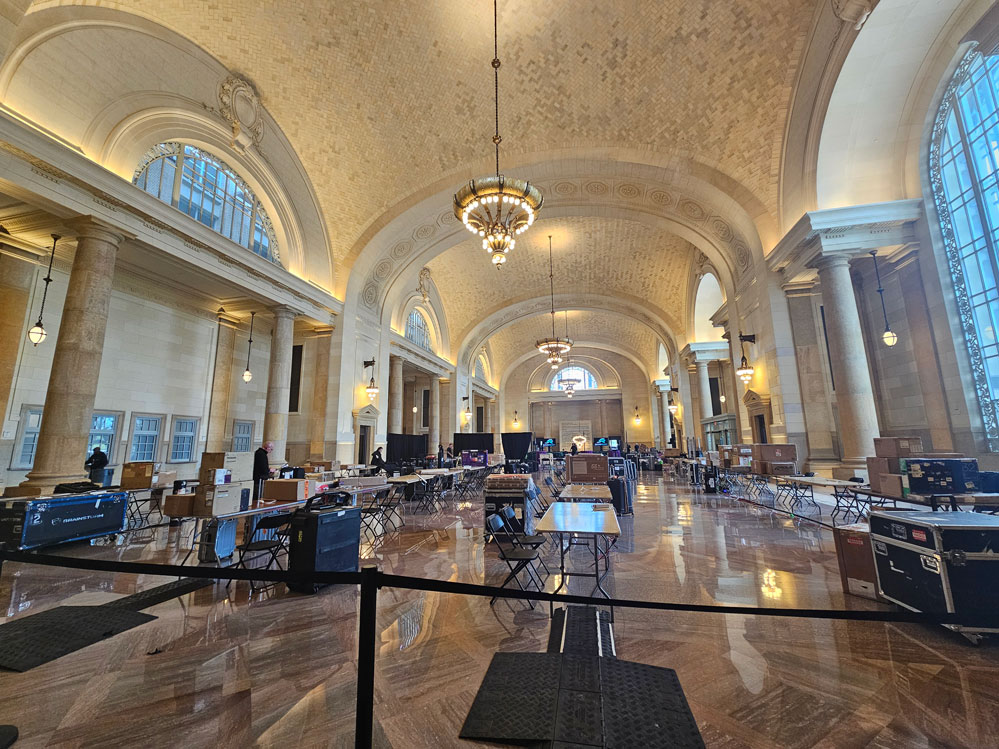
In a city once synonymous with industrial decline, a revitalized Detroit landmark is now charting a new course, equipping its youngest residents with the entrepreneurial skills to build a future. This transformation offers a powerful blueprint for how communities can repurpose historic spaces into vibrant hubs for youth development and economic opportunity.
A Grand Vision Rises from Ruins
For decades, the Michigan Central Station stood as a haunting monument to Detroit's past struggles. Abandoned and decaying, its once-proud architecture became a symbol of urban blight, a stark contrast to the city's vibrant industrial heritage.
However, a monumental six-year, nearly $1 billion investment by Ford Motor Company has breathed new life into this iconic structure. The Beaux-Arts masterpiece, designed by the same architects as New York's Grand Central, has been meticulously restored, transforming its grand concourse into a showpiece and reception hall.
The revitalized station is no longer just a relic of the past; it's an innovation campus. Ford offices now occupy its upper floors, with a hotel and retail spaces slated to open soon, weaving the historic structure back into the fabric of modern Detroit.
Cultivating Tomorrow's Innovators
Beyond its corporate and commercial aspirations, the Michigan Central Station project has a profound commitment to its community's youth. A significant portion of the space is dedicated to career exposure and entrepreneurship programs, targeting young people aged 14 to 24.
The Boys and Girls Clubs of Greater Detroit spearheads a major initiative on the fifth floor, transforming a 17,000-square-foot area into a state-of-the-art training center. This isn't just about providing a space; it's about offering tangible resources and expert guidance.
“If you want to fill the jobs of the future, you’ve got to start with students,” explains Janelle Arbuckle-Michael, Michigan Central’s associate director for K-12 initiatives. “You’ve got to start with exposure. You got to start with opportunities. And you have to have a pathway for them to go.”
A Hub for Skill Development and Business Acumen
The Boys and Girls Club facility boasts cutting-edge equipment for broadcast, music, and fashion design, enabling teens to develop products and launch their own businesses. This hands-on approach is crucial for fostering practical skills and confidence.
The club offers a comprehensive curriculum, including classes, mentorship from professionals, and presentations by successful entrepreneurs. These mentors, often young adult business owners, share their experiences and insights, providing invaluable real-world perspectives.
"For them to be able to sit right next to startups … that proximity is ultimately, I think, the secret sauce, the cheat code to help our kids achieve mobility."
Sean Wilson, CEO of the Boys and Girls Clubs of Greater Detroit, emphasizes the transformative power of this proximity. By placing aspiring young entrepreneurs alongside established startups, the program creates an environment where learning and networking happen organically.
The program’s impact is already evident. Meshach Charles, an 18-year-old participant, leveraged the club’s guidance to launch his landscaping business. He has learned the intricacies of registering an LLC, planning for bank accounts, and seeking grants, demonstrating a tangible pathway to business ownership.
Alaysha Hayes, another 18-year-old participant, is rapidly growing her fashion business, Alay Customs. The club provides her with workspace and access to high-end equipment, including a $30,000 sewing machine, resources far beyond what she could access at home.
Bridging the Opportunity Gap
The initiative directly addresses the challenges faced by youth in underserved communities. Children born into poverty often require significant support to break cycles of disadvantage and achieve upward mobility.
The Boys and Girls Club’s mission is to provide these essential forms of capital and unique opportunities. By offering access to advanced technology and expert mentorship, they act as a catalyst for personal and professional growth.
“You gotta understand, some of these young people are working on these designs in a basement or somebody’s second bedroom or something like that, so they don’t have a … creative space to work with things,” notes Kevin Haynes, executive director of the club. “We’re giving them access to equipment that they may not have access to. And here they are rent free. They have the workspace.”
The Entrepreneurship Accelerator
A key component of the training is an entrepreneurship class led by Brandon Martin, founder of Reaction Technologies. His eight-week seminar focuses on health and sports innovation, drawing on his real-world startup experience.
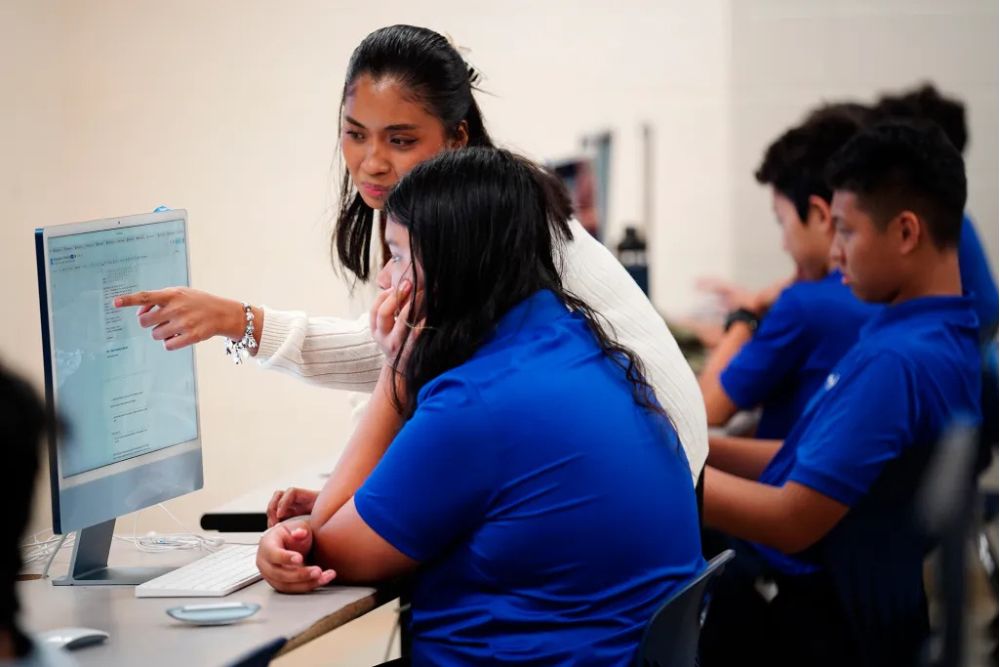
Martin guides high schoolers through the process of developing and pitching their business ideas. The teens brainstormed concepts ranging from an app for targeted body training to interchangeable shoe soles and platforms for identifying free athletic opportunities for low-income youth.
The curriculum emphasizes refining product statements, identifying core features, and crafting concise "elevator speeches" to effectively communicate their vision to potential investors or customers. This focus on clear communication is vital for any budding entrepreneur.
The proximity to startups and the hands-on mentorship are the "secret sauce" for youth mobility.
Martin pushes his students to think critically about the user experience, from initial product interaction to the steps required to access core functions. This includes considering the clarity of instructions, the necessity of sign-ons, and privacy checks—all crucial elements for successful product design and customer adoption.
The program’s success hinges on its ability to connect young minds with experienced professionals. This blend of youthful creativity and seasoned expertise provides an unparalleled learning environment.
Actionable Insights for Educators
The Michigan Central Station initiative offers several key takeaways for educators and community leaders looking to replicate its success:
- Repurpose Historic Spaces: Iconic, underutilized buildings can be transformed into dynamic hubs for learning and innovation, preserving heritage while fostering future growth.
- Integrate Industry and Education: Co-locating youth programs with startups and established companies creates invaluable opportunities for mentorship and real-world exposure.
- Provide Access to Advanced Resources: Offering high-end equipment and technology in areas like broadcast, music, and fashion design empowers young people to develop professional-grade products and businesses.
- Focus on Practical Business Skills: Curriculum should emphasize not only creative development but also essential business acumen, including finance, branding, marketing, and pitching.
- Leverage Mentorship: Connecting students with experienced entrepreneurs and professionals provides critical guidance, support, and networking opportunities.
This model demonstrates that with strategic investment and a commitment to community development, even the most dilapidated structures can become springboards for opportunity. The revitalized Michigan Central Station is more than just a restored landmark; it's a testament to Detroit's resilience and a beacon for the future of youth empowerment.
The integration of entrepreneurship training within a revived historical site like Michigan Central Station offers a powerful new paradigm for education. It underscores the importance of experiential learning, community collaboration, and providing young people with the resources and mentorship they need to turn their innovative ideas into tangible realities, fostering a new generation of leaders and business owners.




 Explore AI Teaching Tools
Comments (0)
Please login to comment
No comments yet
Be the first to comment on this article