
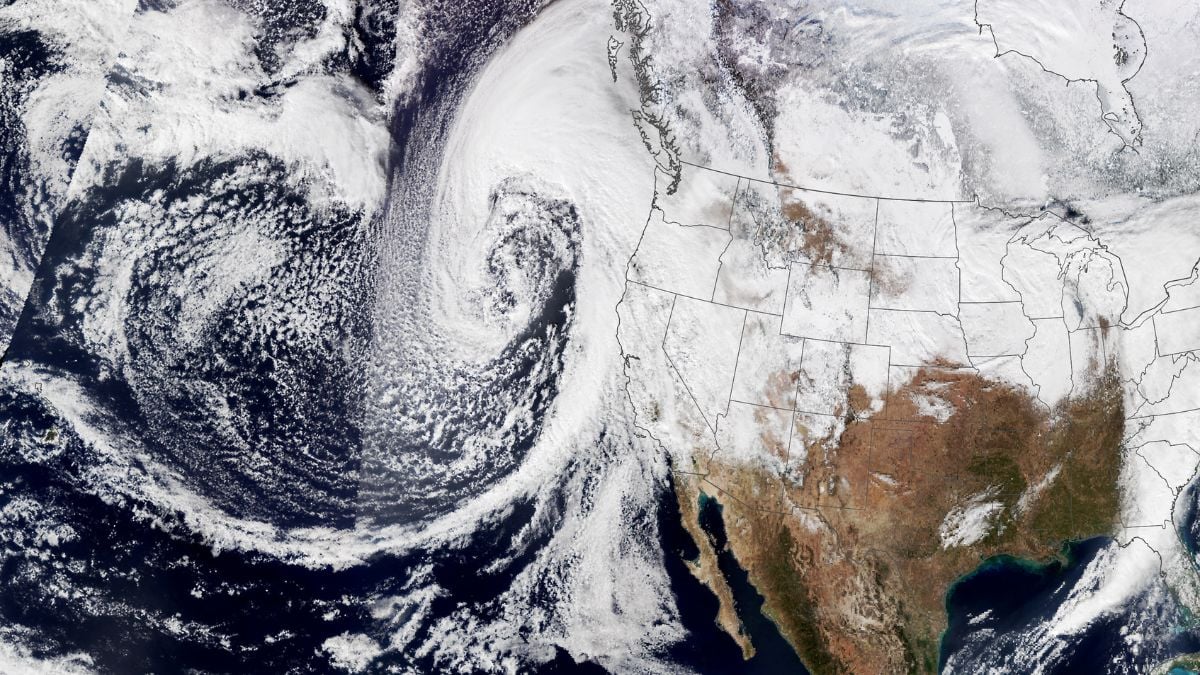
A major ocean current, the Atlantic Meridional Overturning Circulation (AMOC), is showing alarming signs of slowing, potentially reaching a tipping point of collapse. Scientists warn that the ramifications of such a shift are vast, with potential effects that could reach far beyond the Atlantic, impacting weather patterns across continents, including areas like California.
The Silent Shift: What a Slowing AMOC Means for Educators
While the immediate focus might be on the dramatic climate implications, the disruption caused by such a significant environmental change will inevitably filter into our classrooms. Educators are on the front lines, tasked with explaining complex scientific phenomena and preparing students for a future shaped by these shifts. Understanding the potential consequences is the first step in equipping students with the knowledge and critical thinking skills they'll need.
The AMOC acts as a massive conveyor belt, transporting warm water from the tropics northward and cooler water southward. This circulation is a major driver of global climate, influencing temperature and precipitation patterns across the Northern Hemisphere. Its potential collapse isn't just an abstract scientific concept; it represents a fundamental alteration of the Earth's climate system.
Unraveling the Science: Why the AMOC Matters
Recent studies, published in leading scientific journals, have provided compelling evidence that the AMOC is weakening at an unprecedented rate. This slowdown is primarily attributed to the influx of freshwater from melting ice sheets in Greenland, which dilutes the salinity of the North Atlantic and disrupts the density-driven circulation.
"The data suggests we are closer to a tipping point than previously understood. The effects could be rapid and severe."
The implications for global weather are profound. A weakened AMOC could lead to colder winters in Europe, altered rainfall patterns in the tropics, and a more rapid rise in sea levels along the East Coast of North America. Even regions as far-flung as California could experience significant changes in their prevailing weather systems.
Preparing the Next Generation: Teaching Climate Resilience
For educators, this presents a critical opportunity to engage students in meaningful discussions about climate science, environmental stewardship, and the interconnectedness of our planet. The complexity of the AMOC's potential collapse demands clear, accessible explanations that foster understanding rather than fear.
Integrating real-world scientific findings into the curriculum can make learning more relevant and impactful. This is where innovative teaching tools can play a significant role, transforming abstract concepts into tangible learning experiences.
Leveraging Technology for Deeper Understanding
Explaining the dynamics of ocean currents and climate change can be challenging. Fortunately, a wealth of resources exists to help educators bridge this gap. Interactive tools and engaging activities can make complex scientific principles more accessible and memorable for students of all ages.
Consider the power of visual aids and interactive simulations. These can help students grasp concepts like heat transfer and salinity gradients, which are central to understanding the AMOC. The ability to visualize these processes can significantly enhance comprehension.
- Visualizing Ocean Currents: Use animated maps and videos to demonstrate the flow of the AMOC and its interaction with global weather patterns.
- Simulating Climate Scenarios: Explore online simulators that allow students to adjust variables and observe potential climate effects.
- Engaging with Data: Introduce students to real scientific data sets, teaching them how to interpret charts and graphs related to ocean temperature and salinity.
Making Learning Interactive and Engaging
Beyond direct instruction, fostering active learning is key. When students can participate, experiment, and even compete, their engagement and retention skyrocket. This is where tools designed for dynamic classroom interaction become invaluable.
Imagine transforming a lesson on climate science into a captivating experience. Instead of passively listening, students could actively participate in activities that reinforce key concepts, making the learning process both enjoyable and effective.
A 2024 survey of over 1,500 educators revealed that 78% believe interactive learning tools significantly improve student comprehension of complex scientific topics.
These tools can help students explore the interconnectedness of Earth's systems. They can also serve as a platform for collaborative learning, allowing students to work together to solve problems and analyze information. This collaborative approach mirrors the scientific community's efforts to understand and address global challenges.
The Power of Play in Learning
The notion that learning can be fun might seem counterintuitive to some, but the evidence is clear: gamification significantly boosts student motivation and understanding. Introducing elements of play into the classroom can make even the most daunting subjects approachable.
For instance, using MentofyCove classroom games like trivia or word searches can reinforce scientific vocabulary and concepts related to climate change. These activities allow students to test their knowledge in a low-stakes, enjoyable environment, solidifying their learning.
Furthermore, tools that facilitate collaborative projects and group discussions can foster a deeper understanding of the interconnectedness of environmental issues. Smart student grouping can ensure diverse perspectives are brought to bear on problem-solving.
Actionable Insights for the Classroom
The potential collapse of the AMOC is a stark reminder of our planet's delicate balance. Educators have a vital role to play in preparing students for the future, and leveraging the right tools can make this task more effective and inspiring.
Here are some practical steps educators can take:
- Incorporate Climate Science: Integrate lessons on climate change, oceanography, and atmospheric science into existing science curricula.
- Utilize Interactive Tools: Explore platforms that offer AI lesson plan generation and interactive elements to make complex topics engaging.
- Foster Critical Thinking: Encourage students to analyze scientific data, question assumptions, and develop solutions to environmental challenges.
- Promote Collaboration: Use tools that facilitate group work and discussions, allowing students to learn from each other and build collective understanding.
- Stay Informed: Keep abreast of the latest scientific findings and adapt teaching materials accordingly.
By embracing innovative teaching strategies and powerful digital tools, educators can empower students to not only understand the profound effects of changes like the AMOC slowdown but also to become active participants in shaping a more sustainable future. The ocean's currents may be shifting, but our commitment to educating the next generation must remain a powerful, unwavering force.






 Explore AI Teaching Tools
Comments (0)
Please login to comment
No comments yet
Be the first to comment on this article