
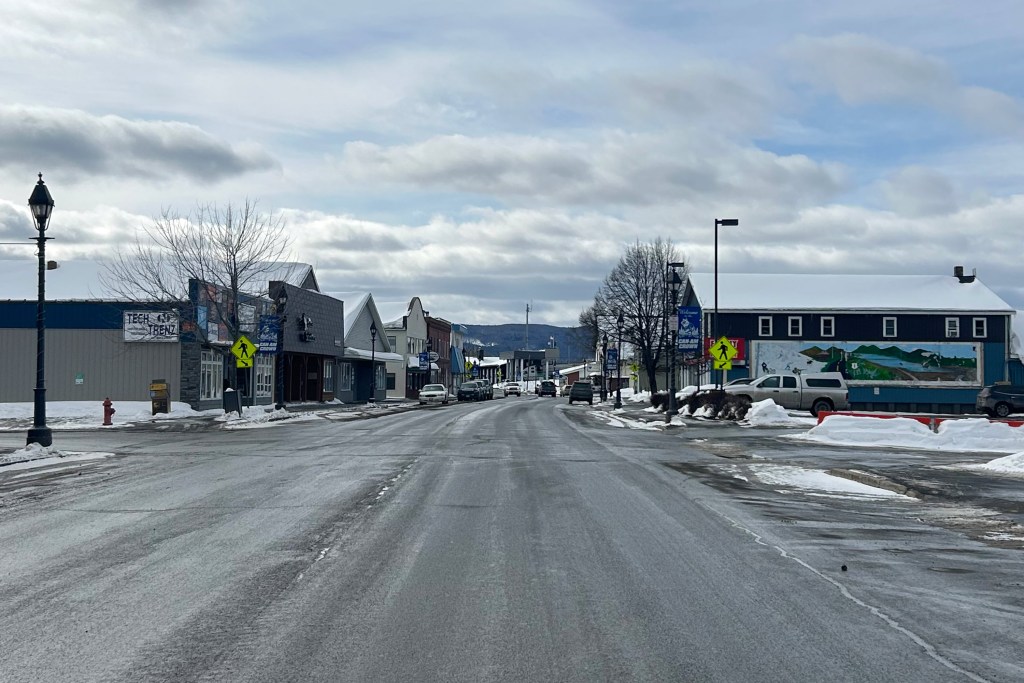
Fort Kent Schools Launch Bold Boarding Program to Combat Rising Youth Overdoses
In a quiet corner of Maine, where the Canadian border meets the rugged landscape of Aroostook County, educators are confronting a stark paradox: while overall youth substance use may be declining, the specter of fatal overdoses among young people looms larger than ever. Fort Kent, a town of roughly 4,000 residents, is pioneering an innovative approach, launching a public boarding school specifically designed for high school students navigating recovery from substance use disorders.
A Growing Crisis in Plain Sight
The signs are undeniable. Educators in Fort Kent have witnessed students arriving at school hungover, struggling to stay awake in class, and even facing legal summonses for weekend incidents related to substance use. These are not isolated incidents but part of a troubling trend of absenteeism, lack of focus, restlessness, and a general disengagement that has intensified in recent years.
This phenomenon isn't unique to Fort Kent. Nationwide, a concerning trend has emerged: while the reported use of substances like cigarettes, alcohol, and marijuana among young people has seen a decrease, unintentional overdose deaths among children and teens have alarmingly spiked. This creates a critical challenge for schools, which are often on the front lines of identifying and supporting students in distress.
The impact of substance use on developing adolescent brains is profound. It can disrupt crucial neural pathways, leading to increased anxiety, irritability, and diminished attention spans, impulse control, and problem-solving skills. For students, these effects can manifest as chronic absenteeism, plummeting grades, and ultimately, dropping out of school.
Bridging the Gap: Education and Recovery Intertwined
For years, students like Michael Robertson, a Fort Kent resident whose struggle with substance use began in middle school and tragically ended in an overdose at age 22, have fallen through the cracks. His mother, Danielle Forino, recalls the constant battle to get him to attend school, the excuses of fatigue and illness masking a deeper struggle. A prescription for Vicodin at age 13 marked an early turning point, leading to a cascade of addiction that impacted his academic career and ultimately, his life.
Robertson’s story, while heartbreaking, highlights a critical disconnect: the perceived necessity for students to choose between their education and their recovery. "Addiction doesn’t mean a student stops being a learner," explains Tammy Lothrop, a school social worker with 25 years of experience in Aroostook County. "When we separate the two, students fall behind academically, fall behind their peers, which leads to more shame. For the first time, we’re not asking students to choose between recovery and education."
This philosophy is the bedrock of the new Upper St. John Valley Recovery High School, set to open its doors in Fort Kent this August. Funded by a significant portion of Maine's opioid settlement funds, the school aims to provide a sanctuary where students can pursue their education while actively engaging in recovery.
A Unique Model for a Rural Landscape
The concept of recovery high schools is not entirely new, with 46 such institutions operating across the United States. However, the Fort Kent initiative breaks new ground as the first recovery high school in Maine, the only one situated in a rural area, and the first in approximately 30 years to incorporate a boarding component. This is a crucial adaptation for Aroostook County, a vast region with limited access to specialized services.
The Upper St. John Valley Recovery High School will be part of the Fort Kent school district and managed by the Valley Unified Education Service Center. It is designed to accommodate 14 students at a time, with eight of those students boarding on-site during the school week. The program anticipates students remaining enrolled for periods ranging from 90 days to a full academic year.
Enrollment is voluntary, requiring students to opt into the program with the support of a parent or guardian. The school district has secured dormitory space from the University of Maine at Fort Kent, which is generously providing classroom and living facilities, including a communal kitchen and a living room with a fireplace, rent-free for the first year. The dedicated staff will include a social worker specializing in substance abuse and addiction treatment, an academic teacher, a paraprofessional, and a dorm supervisor.
Nurturing Sobriety and Academic Growth
The boarding component is particularly vital. Students will return home on weekends equipped with strategies to maintain their sobriety, allowing them to practice abstinence in a less structured environment and build confidence in their ability to stay clean. Peter Caron, the alternative school coordinator who collaborated with educator Brooke Nadeau to develop the recovery high school concept, emphasizes the importance of this transitional phase.
"We see that with adolescents in recovery facilities, they do well because of the structure, but when they return to their home communities, they fall back into old habits," Caron explains. "We need to give them more time and the opportunity to develop transitional skills."
Should a student experience a relapse, which Caron acknowledges is a possibility, the school's approach is not punitive but supportive. The focus will be on strengthening coping mechanisms and identifying new strategies to foster sustained abstinence. This holistic approach recognizes that recovery is a journey, not a destination.
Addressing Scarce Resources in Aroostook County
The need for such a program in Aroostook County is acute. Maine, a predominantly rural state, has a severe shortage of inpatient facilities for youth struggling with substance abuse, and outpatient options are equally limited. In Aroostook County itself, a region characterized by higher poverty rates and lower educational attainment, preventative programs and mental health services for young people are particularly scarce.
Brooke Nadeau, who began her teaching career at Fort Kent High School in 2020, was initially taken aback by the prevalence of substance use among her students. Her research for her doctoral dissertation in criminal justice revealed a significant gap in available support services. While the school district offers preventative education and connects students with its social worker for short-term counseling, the capacity is limited for the approximately 800 students served across pre-K through 12th grade.
"With the recovery high school, we can help the students get into recovery and gain coping skills early on," Nadeau states. "If we stop the cycle at a younger age, give them the supports they need, they might not need to go to jail and can go to college and become functioning adults."
Overcoming Stigma and Securing Future Funding
Despite the evident need and the community's support, the recovery high school faces significant hurdles. Stigma surrounding substance abuse remains a powerful barrier, particularly in a close-knit community like Fort Kent. Many young people may be hesitant to reveal their struggles, fearing judgment and ostracization, which could deter them from enrolling even if they recognize their need for help.
"We know there’s a need," says Caron, a lifelong resident of Fort Kent. "But we need to demonstrate there’s a demand." Currently, only one student has directly expressed interest, though caseworkers from across the county have begun reaching out about potential candidates.
The school's initial funding, a substantial $616,000 grant from the state, is expected to cover operations for two years. To ensure the program's long-term viability, Caron and Nadeau are actively seeking an additional $1 million from the state legislature to pilot the program for five years. This funding is contingent on the school demonstrating its capacity to fill its limited slots, making the initial enrollment period critical.
The hope is that this initiative will not only provide a lifeline for students in Fort Kent but also serve as a model for other rural communities facing similar challenges. The ultimate success, as Nadeau puts it, would be simple yet profound: "if one life is saved." This ambitious endeavor in Fort Kent represents a critical step forward in acknowledging and addressing the complex interplay between education, recovery, and the well-being of young students.





 Explore AI Teaching Tools
Comments (0)
Please login to comment
No comments yet
Be the first to comment on this article